Table of Contents
- Is Real Estate Photo Editing Really Necessary?
- 8 Things Photo Editors Wish Photographers Knew
- How PhotoUp Helps Photographers Scale Smarter
In real estate photography, what happens after the shoot is just as important as what happens during it. Professional real estate photo editors can elevate your images—but only if the files they receive are set up for success.
In this article, we’ll share what editors wish real estate photographers knew before hitting “submit” so that you can deliver better images, reduce revisions, and build stronger partnerships.
Let’s begin by taking a look at whether real estate photo editing is necessary when it comes to marketing homes for sale.
Is Real Estate Photo Editing Really Necessary?🖼️
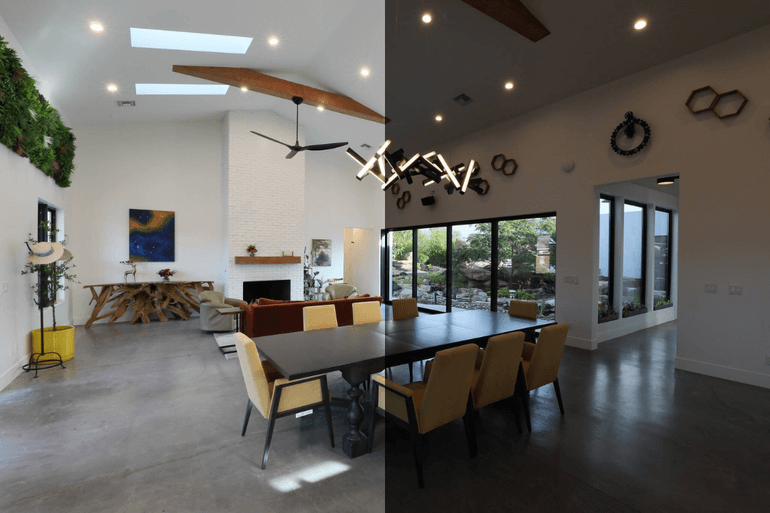
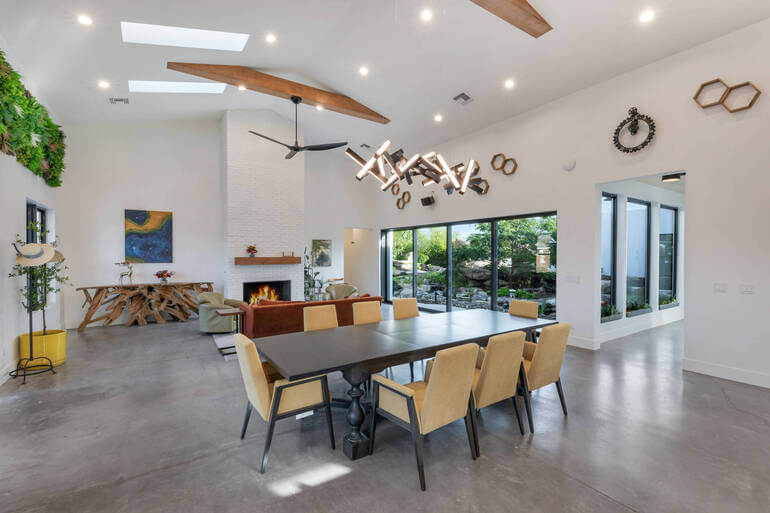
Yes! In today’s competitive property market, professional photography is no longer optional—it’s expected.
According to the National Association of Realtors (NAR), nearly all homebuyers use the internet as part of their home search process. Additionally, 85% of home searchers consider the photos the most important aspect when evaluating a home online.
Here are more powerful real estate photography statistics to back up the critical component of enhancing listing photos:
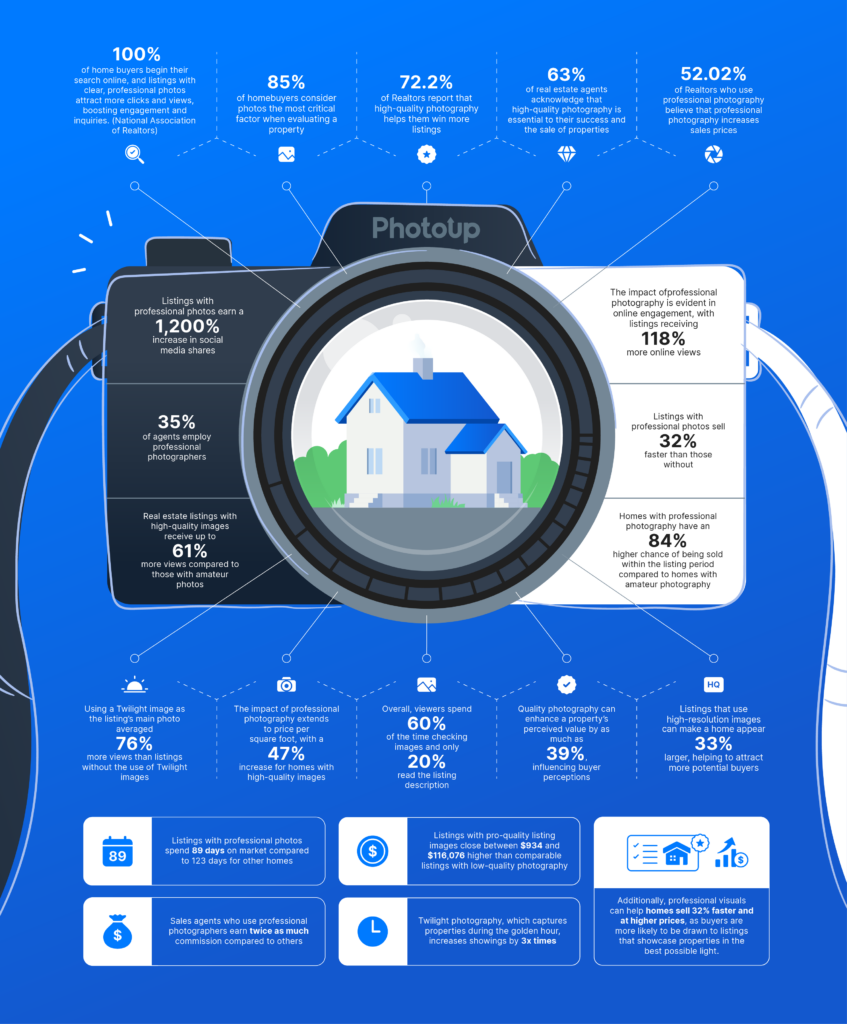
As you can see, your listing photos aren’t just marketing assets—they’re the first showing.
But while photographers focus on lighting, composition, and capturing the right angles, there’s another critical step that determines how polished the final images look: real estate photo editing.
Behind every beautifully balanced HDR image, crisp window view, or clean, decluttered living room is a photo editor refining the details.
And if you were to ask professional real estate photo editors what they wish photographers knew before submitting images, you’d likely hear some consistent themes.
8 Things Photo Editors Wish Photographers Knew🧐
Let’s pull back the curtain and explore what editors truly want photographers to understand—so you can deliver better images, reduce revisions, and build stronger partnerships.
Here are 8 things real estate photo editors wish photographers knew before pressing “submit:”
1. Editing Enhances Quality—It’s Not a Rescue Mission That Can Fix Everything🏞️

Professional real estate photo editors are skilled problem-solvers. They can correct white balance, adjust exposure, replace skies, enhance lawns, and remove minor distractions.
However, editing is about enhancement—not rescue missions.
When photos are severely underexposed, overexposed, blurry, or improperly bracketed, the editing process becomes limited. For example:
- Overblown windows without bracketed exposures may not be recoverable
- Motion blur cannot be sharpened into true clarity
- Severe color casts are harder to neutralize without affecting realism
- Or, crooked compositions require cropping that may cut off key elements
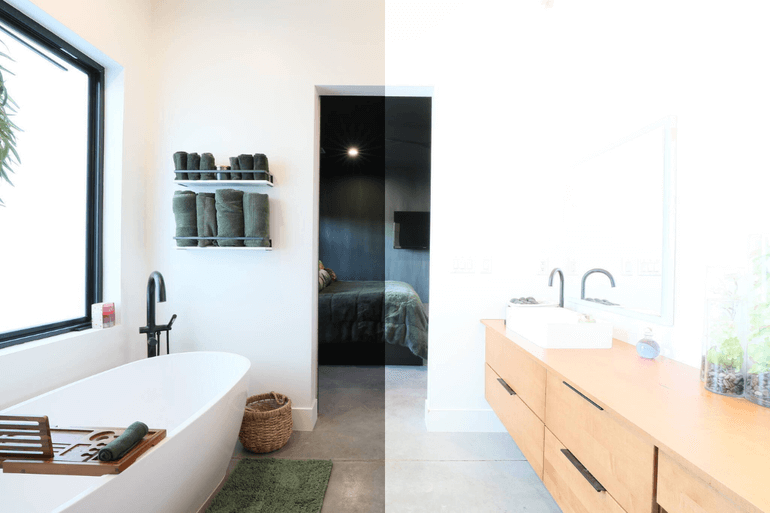
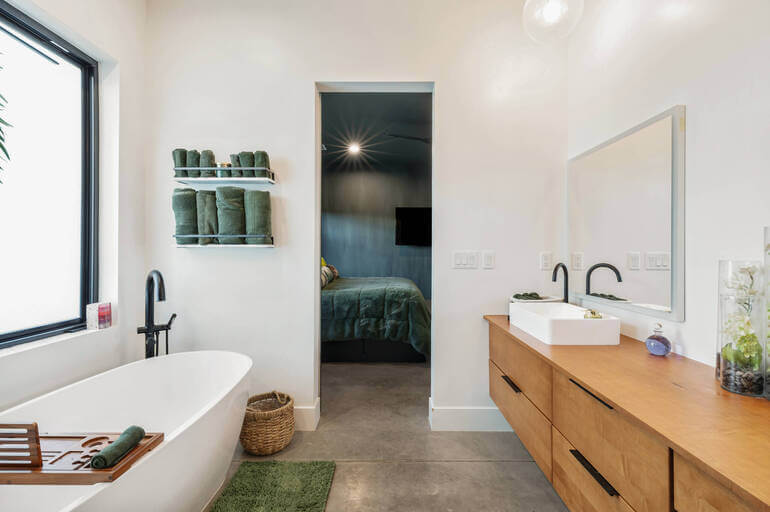
Good editing starts with good source material. The smoother the capture, the stronger the result.
And that leads directly into the next important point—how technical consistency at the shoot makes an editor’s job dramatically easier.
2. Consistent Bracketing Makes HDR Seamless
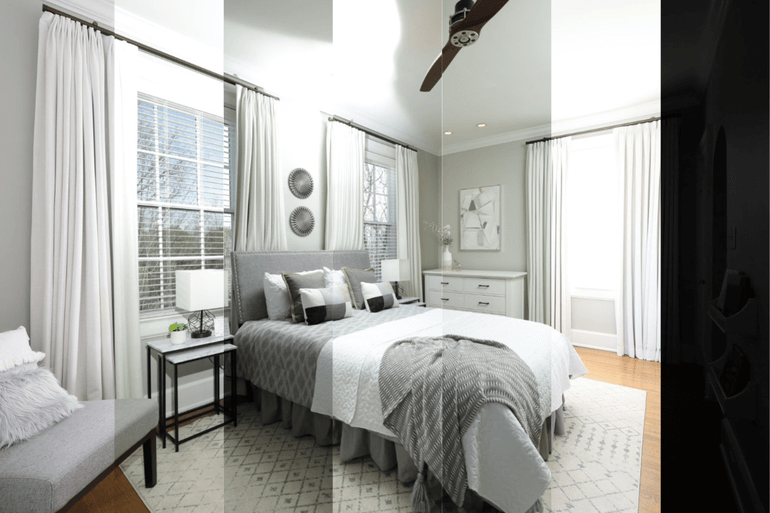
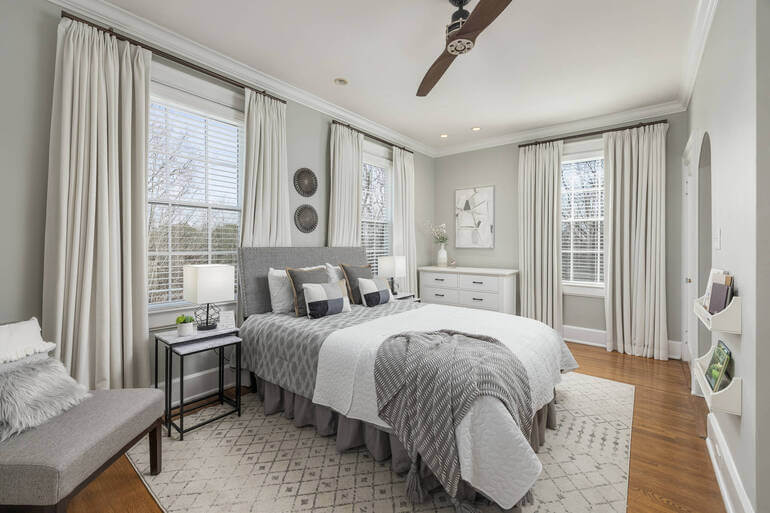
HDR blending is one of the most common real estate editing workflows. But inconsistent bracketing can create unnecessary complexity📸.
Overall, professional editors wish photographers would:
- Use consistent exposure spacing (e.g., -2, 0, +2)
- Keep the camera perfectly still between brackets
- Avoid changing composition mid-bracket
- Capture enough dynamic range to preserve both window views and interior detail
When bracket sets are incomplete or misaligned, editors need to spend extra time correcting ghosting and distortion.
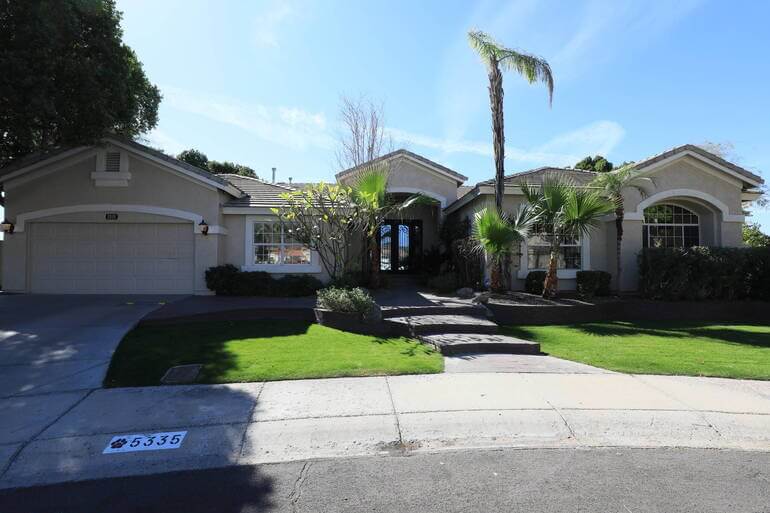
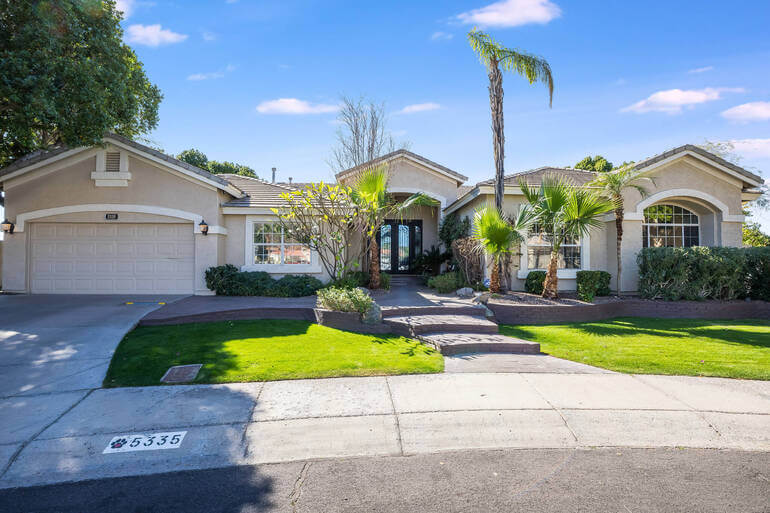
Clean, stable bracket sets result in:
- Natural-looking interior brightness
- Realistic window views
- Minimal halos and artifacts
- And faster turnaround times
And speaking of natural-looking results, there’s another area where photographers can dramatically improve outcomes—white balance.
3. Accurate White Balance Saves Hours🎨
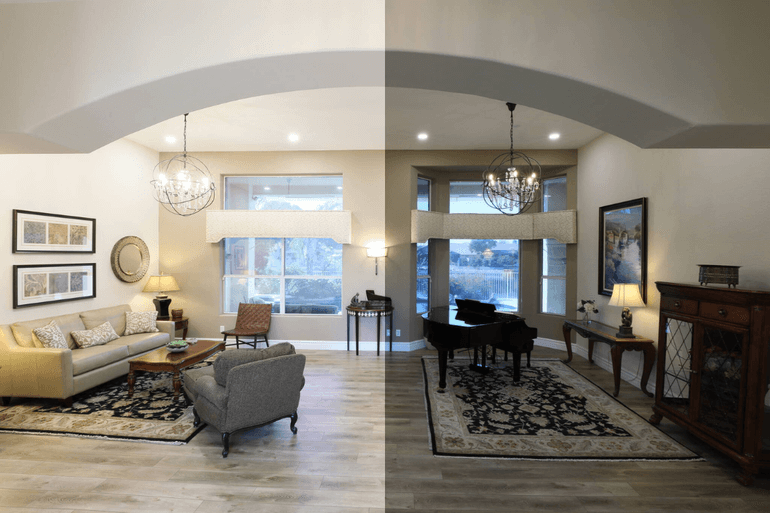
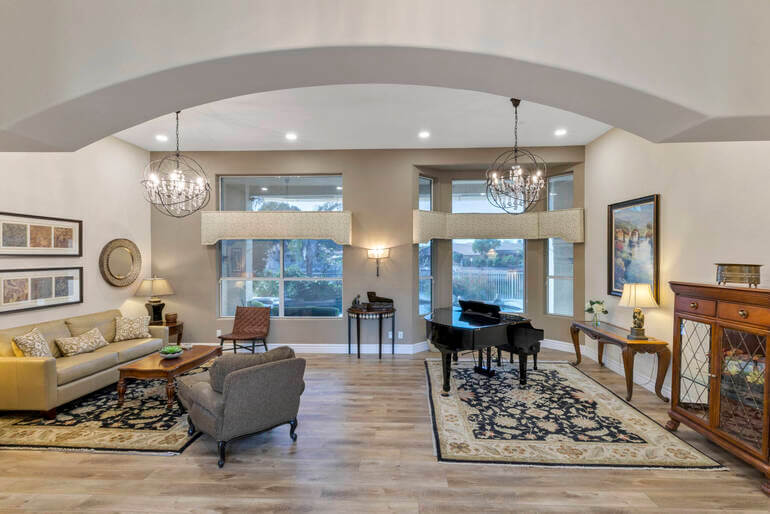
Mixed lighting is common in real estate photography—daylight from windows, tungsten bulbs, LED fixtures, and sometimes fluorescent lighting all coexist in one frame.
While editors can correct color temperature shifts, starting with a close-to-accurate white balance reduces the need for heavy color grading later.
For instance, common challenges real estate photo editors see are:
- Strong orange/yellow casts from warm bulbs
- Green tint from fluorescent lighting
- Blue shadows overpowering interiors
Shooting with a gray card, setting a manual Kelvin value, or balancing light sources on site can dramatically improve the base file.
When color correction is minimal, editors can focus on refining mood rather than correcting mistakes. And once color is controlled, the next major issue editors encounter is composition.
4. Straight Lines Matter More Than You Think ||
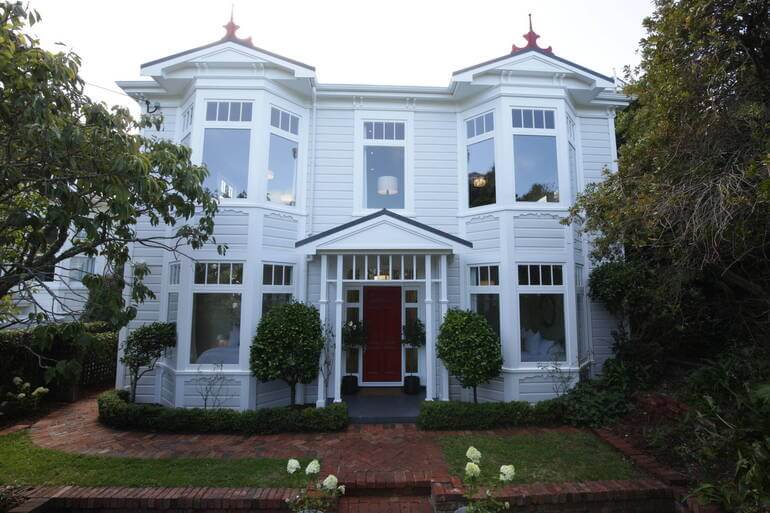
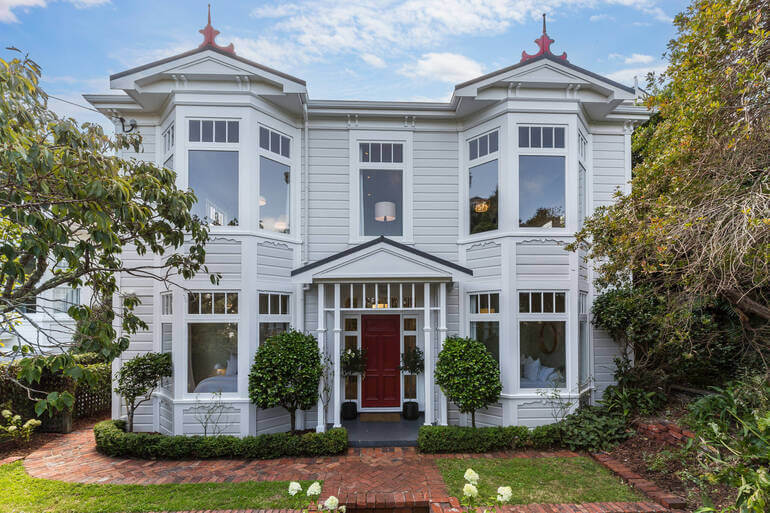
Real estate photography relies heavily on vertical and horizontal precision.
Crooked walls, leaning door frames, and warped perspectives are among the most common fixes editors perform.
While perspective correction is possible, excessive distortion:
- Reduces image resolution after correction
- Creates unnatural stretching
- And forces heavy cropping
Real estate photo editors wish photographers would:
- Keep the camera level during the actual photoshoot
- Use a tripod with a bubble level
- Avoid extreme tilting upward or downward
- And shoot at appropriate heights (typically chest height for interiors)
The cleaner the vertical lines at capture, the less digital warping is required later.
Once perspective is under control, editors can focus on another critical element: staging and clutter.
Have You Ever Thought To
Outsource Photo Editing?
Try it today with 5 free edits from three professional photo editors.

5. Decluttering Before the Shoot Saves Time and Money in Post-Processing🧹
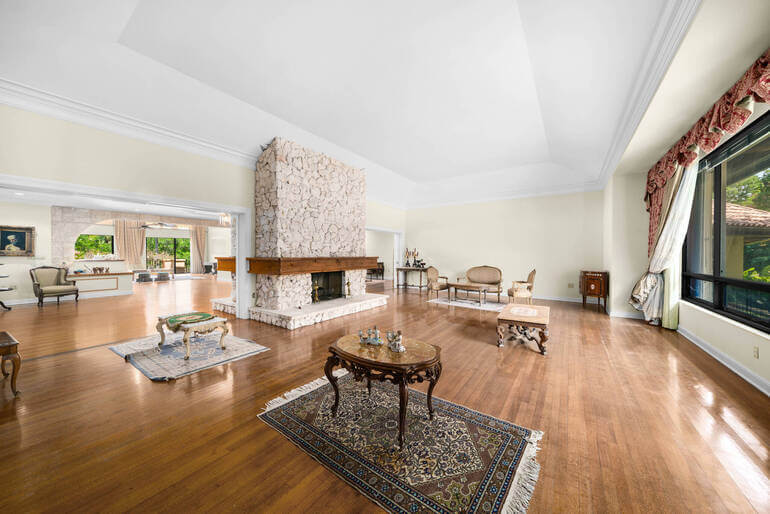
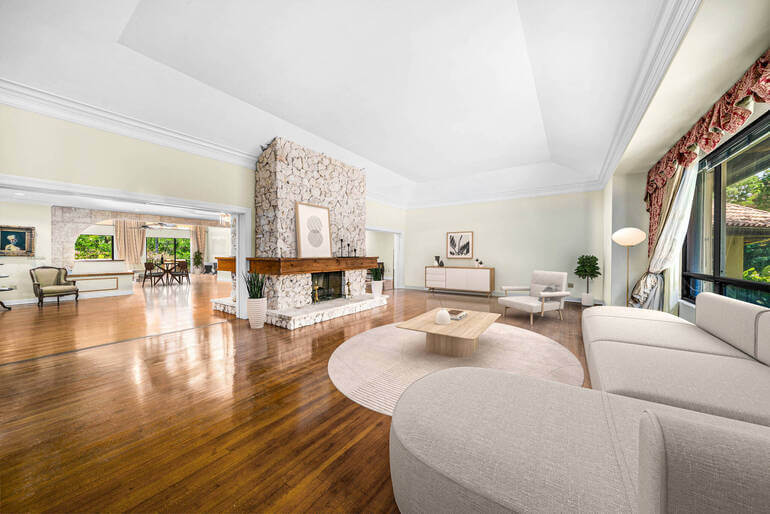
Object removal is one of the most requested editing services. While editors can remove cords, small wall marks, or minor distractions, heavy clutter slows down workflows and increases costs.
Common real estate photo editing headaches include:
- Countertops packed with small appliances
- Tangled cables and visible chargers
- Personal items like toothbrushes and toiletries
- Too many personal pictures and fridge magnets
- Trash cans, pet bowls, loose shoes, and more!
While virtual decluttering is powerful, physical staging before the shoot creates far more realistic results. Editors love clean, thoughtfully staged spaces because they:
- Preserves realism
- Reduces artificial-looking patches
- And speeds up turnaround times
And faster turnarounds benefit everyone involved—which brings us to workflow communication.
6. Clear Instructions Prevent Costly Revisions📝
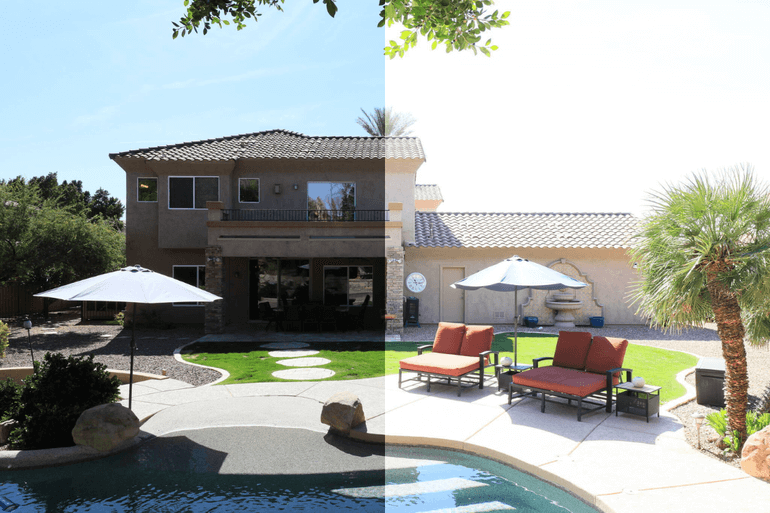
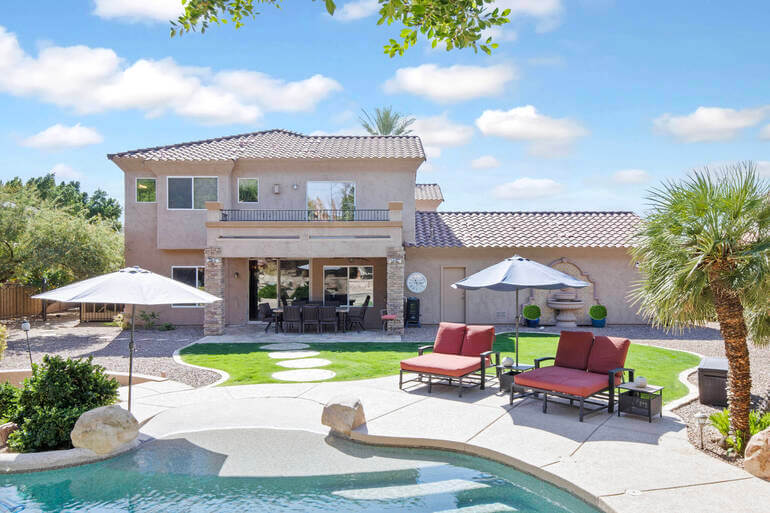
Moreover, real estate photo editors aren’t on-site during the actual shoot. They rely entirely on what’s submitted and what’s requested.
For example, ambiguous instructions like:
- “Make it pop”
- “Brighten it up”
- Or, “fix this”
…leave room for interpretation.
On the other hand, clear, detailed notes, such as:
- “Replace sky with bright blue and soft clouds”
- “Enhance the lawn but keep it realistic”
- “Remove the car in the driveway”
- And “preserve warm tone in the living room”
…lead to fewer revisions and better alignment with client expectations.
Editors also appreciate consistency in style. If one shoot is ultra-bright and the next is moody and dark, it’s harder to establish a repeatable workflow.
Which brings us to one of the most important—but often overlooked—factors: realistic expectations.
7. Realism Builds Trust🤝
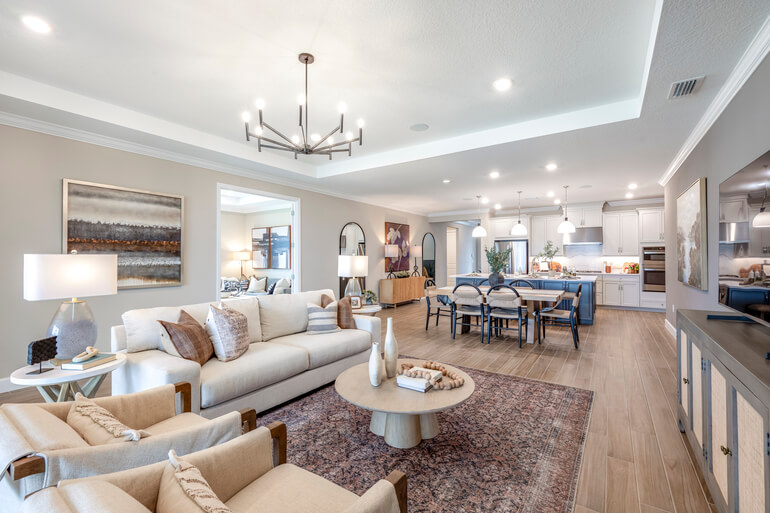
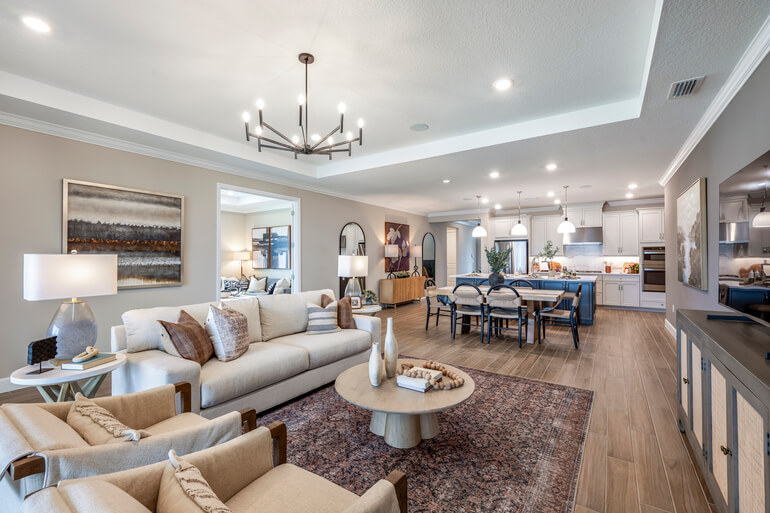
Overediting or photo manipulation can damage credibility. Hyper-saturated lawns, glowing windows, unnaturally bright interiors, and sky replacements that don’t match lighting conditions can make listings feel deceptive.
Overall, professional real estate photo editors always aim to:
- Preserve accurate color representation
- Maintain natural shadow depth
- Avoid over-sharpening
- And keep skies consistent with the time of day
Subtlety is powerful. Buyers respond best to images that feel aspirational—but believable.
And when realism and technical precision are aligned, something powerful happens: editing becomes a growth tool rather than just a finishing step.
8. Faster Editing Starts With the Photographer–Editor Partnership👥
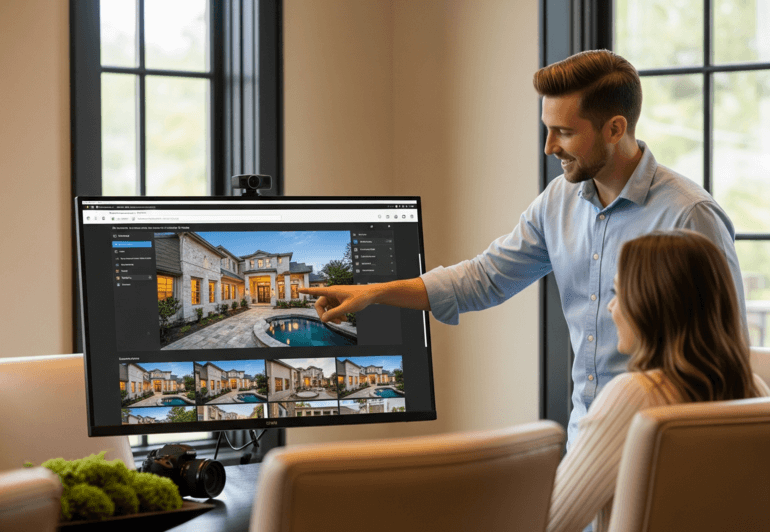
When photographers understand how editors think, workflows improve dramatically. To summarize, a strong partnership means:
- Fewer revisions
- Faster turnaround
- More consistent listing quality
- And greater scalability
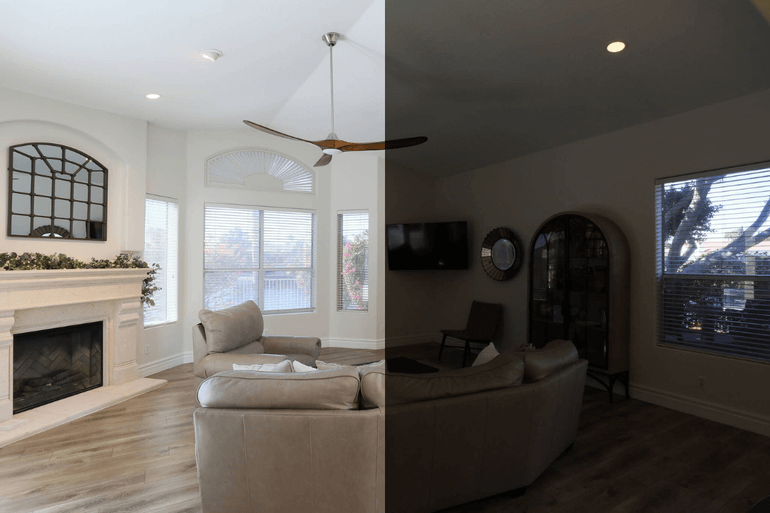
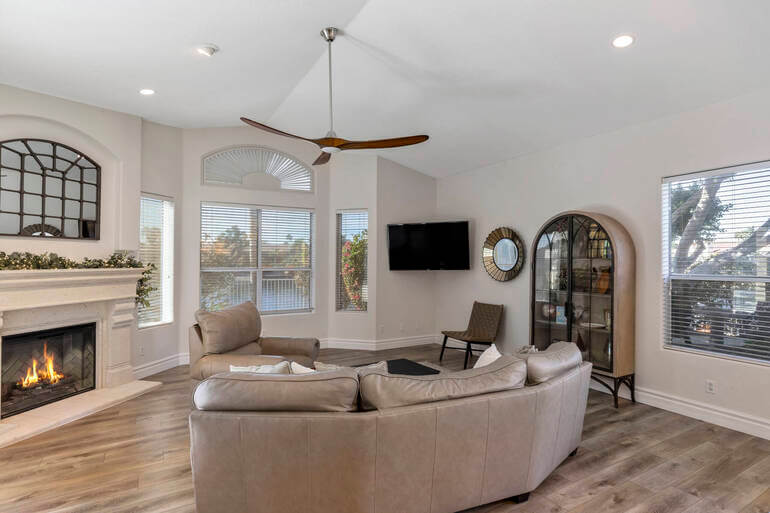
Instead of spending late nights adjusting window masks and color balance, photographers can focus on booking more shoots and serving more clients.
And that’s where outsourcing becomes more than convenience—it becomes strategy. Let’s introduce PhotoUp—for all your real estate photo editing needs!
Have You Ever Thought To
Outsource Photo Editing?
Try it today with 5 free edits from three professional photo editors.
How PhotoUp Helps Photographers Scale Smarter💸
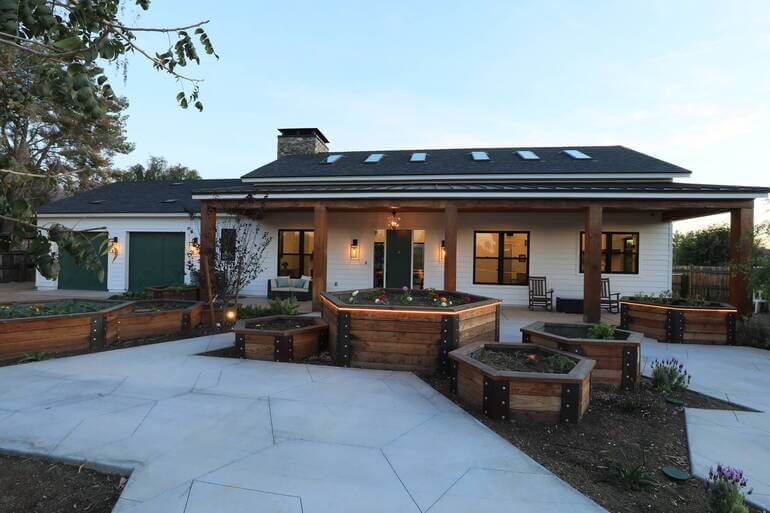
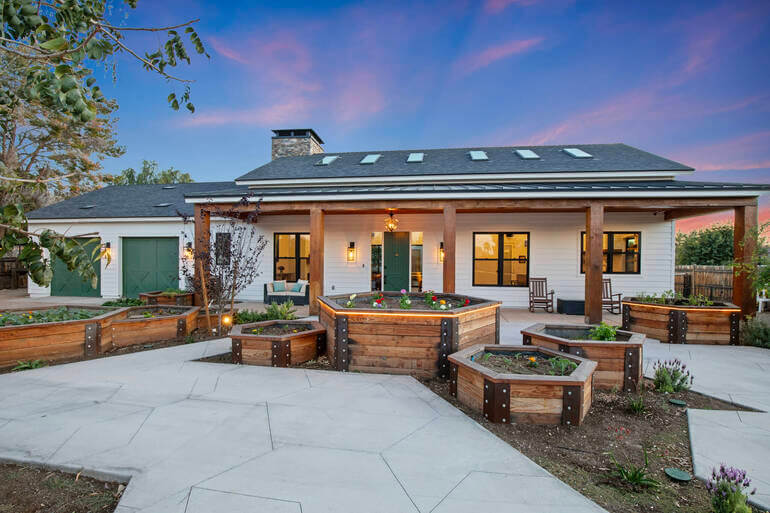
To recap, real estate photo editing is essential—but it shouldn’t consume your time or limit your growth. That’s where PhotoUp comes into the picture (*pun intended)!
Our pro editing service combines professional human real estate photo editors with AI-assisted workflows to deliver:
- HDR blending
- Window masking
- Sky replacement
- Lawn enhancement
- Object removal
- Day-to-dusk conversions
- Line and perspective corrections
- AI virtual staging
- Virtual tours
- And much more!
With fast turnaround times of 12-24 hours and affordable pricing designed for real estate photographers, PhotoUp allows you to:
- Deliver consistently polished images
- Eliminate post-production bottlenecks
- Reduce revision cycles
- And most importantly, scale your photography business without burnout
When capture and editing work together seamlessly, listings look better, agents are happier, and your business grows.
Because at the end of the day, the goal isn’t just beautiful photos—it’s momentum. And with the right editing partner, you can keep that momentum moving forward.
Browse Top Dedicated
Real Estate Photo Editors
Ready-to-hire editors for real estate photo editing, and more.
Access to Dedicated Real Estate Photo Editing
Additionally, PhotoUp also offers Dedicated Photo Editing, which can help you streamline your workflow even more. It allows you to reclaim editing hours and concentrate on business expansion and brand recognition.
Best yet, depending on your style and editing batch, prices can go as low as $0.50 per image.
Wondering how to begin collaborating with a Dedicated Photo Editor? It’s a breeze with just two straightforward steps:
1. Reach out to the sales team via email at support@photoup.net to express your interest in trying out a Dedicated Editor.
2. Upload a Dedicated Editor Trial, enabling you to submit one set of images to three dedicated editor candidates.
PhotoUp Dedicated Editing – Real Estate Photo Editing
To see how easy it is to get started with a dedicated editor, check out our dedicated editing demo:
As simple as that!
During the free trial period, PhotoUp remains committed to collaborating with you until you are completely satisfied with the results and service.
After evaluating the edited images, you can schedule interviews with the most suitable editor(s), leading seamlessly into a one-month trial period.
So, why wait?
Sign up for a free PhotoUp account and let our expert editors take editing off your plate, allowing you to shoot more properties and grow your business!
We hope this blog post helped you understand how to prepare your photos before submitting them to professional real estate photo editors to improve your partnership and results. Before you go, you may also want to check out the following resources: