Table of Contents
- Why Do the First Few Weeks of Outsourcing Photo Editing Services Matter?
- What Should You Expect During Onboarding?
- How Do File Uploads and Turnaround Times Work?
- What Happens During Editing and Quality Checks?
- How Do Revisions Work When Outsourcing Photo Editing Services?
- How Does Your Workflow Change After the First Month?
- Ready to See How It Works? Try PhotoUp
The case for outsourcing photo editing services is easy to make on paper: more time shooting, less time at the desk, faster delivery for your agents. The harder part is picturing what the arrangement looks like day to day once you actually sign up.
That gap keeps a lot of photographers self-editing longer than they should.
This article walks through the full sequence, from onboarding and your first upload to revisions, quality checks, and final delivery. By the end, you’ll know what a normal first month looks like and how to tell whether the service is working for you.
Why Do the First Few Weeks of Outsourcing Photo Editing Services Matter?
Your editing partner doesn’t know your style yet. They don’t know how much window pulls you like, whether you prefer warm or neutral interiors, or which agents expect a sky replacement on every exterior. All of that gets established in the first few weeks.
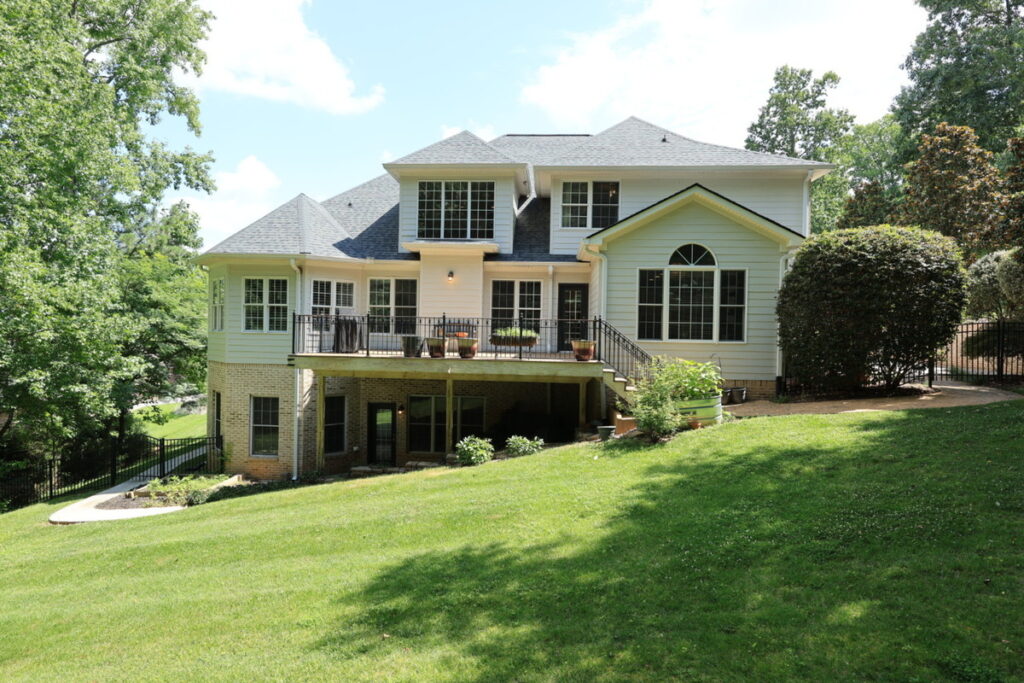

This matters because your clients judge you on consistency. Research found that professionally photographed homes in the $400,000 range sold three weeks faster and for over $10,000 more relative to list price than homes with amateur photos. Agents know numbers like these. They hired you for a look, and they expect that look on every listing.
So treat the first month as calibration, not a finished product. The photographers who get the best long-term results are the ones who give clear, specific feedback early.
Now that the stakes are clear, let’s walk through what onboarding actually involves.
What Should You Expect During Onboarding?
Onboarding starts with a style profile. Any editing service worth using will ask how you want your images handled before an editor touches a single file. Expect questions about:
- Window treatment (natural pull, full replacement, or blend)
- Color temperature preference for interiors
- Sky replacement defaults for exteriors
- Vertical correction standards
- Object and blemish removal rules
The fastest way to answer these is with examples. Send a handful of your best self-edited images as a reference set. A finished image communicates your standard better than any written brief.
You’ll also choose between two working models. On-demand editing routes your images to an available team and works well for variable volume. A dedicated editor learns your style over time and makes sense once you’re uploading consistently every week.
Browse Top Dedicated
Real Estate Photo Editors
Ready-to-hire editors for real estate photo editing, and more.
One thing to expect here: your first batch or two will probably need feedback. That’s the system working, not failing. Each correction becomes part of your profile, and the batches that follow come back closer to your standard.
With your profile set, the next question is practical: how do your files get there and back?
How Do File Uploads and Turnaround Times Work?
Uploads run through a web dashboard. You upload your RAW brackets organized by listing, choose your export settings (file dimensions, format, and MLS-ready sizing), and select a turnaround time.
Standard edits typically come back in 12 to 24 hours. More involved work, like day-to-dusk conversions or heavy object removal, usually runs 24 to 48 hours.
Have You Ever Thought To
Outsource Photo Editing?
Try it today with 5 free edits from three professional photo editors.

The rhythm that works for most photographers is simple. Shoot during the day, upload the brackets that evening, and download finished images the next morning. Your delivery timeline to agents stays the same or improves, and your evenings stop belonging to Lightroom.
A few habits make this smoother:
- Name folders by property address, not shoot date
- Upload full bracket sets rather than pre-culled singles
- Flag rush listings at upload instead of after
- Keep export settings saved as a default profile
Once your files are in, the work moves to the editing team. Here’s what happens on their side.
What Happens During Editing and Quality Checks?
Your editor works from your style profile. For a typical listing set, that means HDR blending across brackets, white balance and color correction, vertical straightening, lens correction, and whatever removal rules you’ve set for cords, hoses, and small clutter.
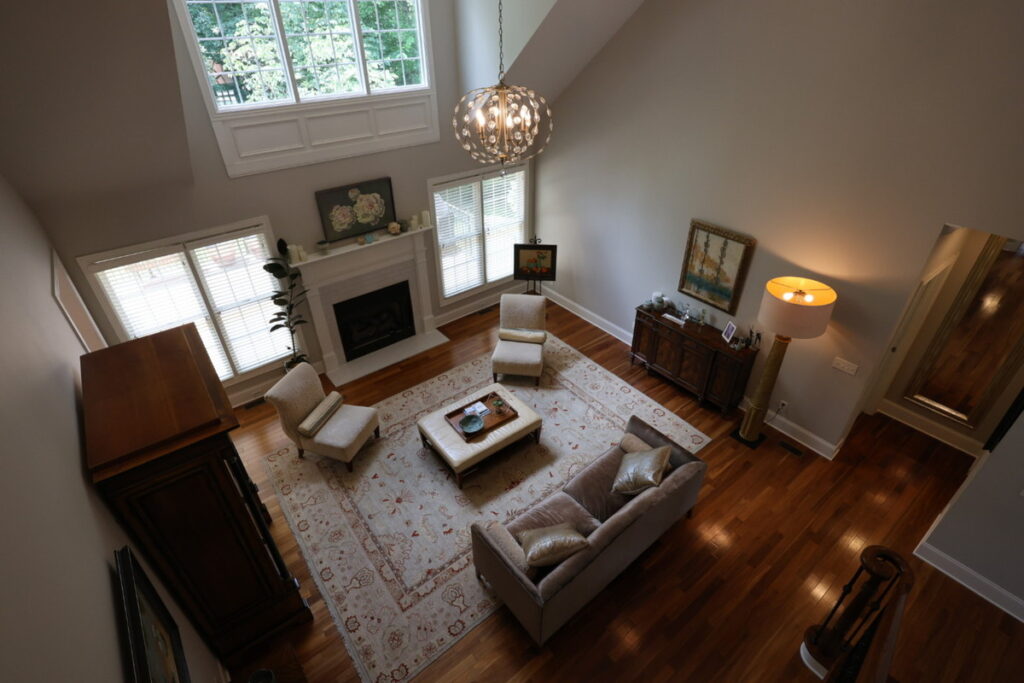
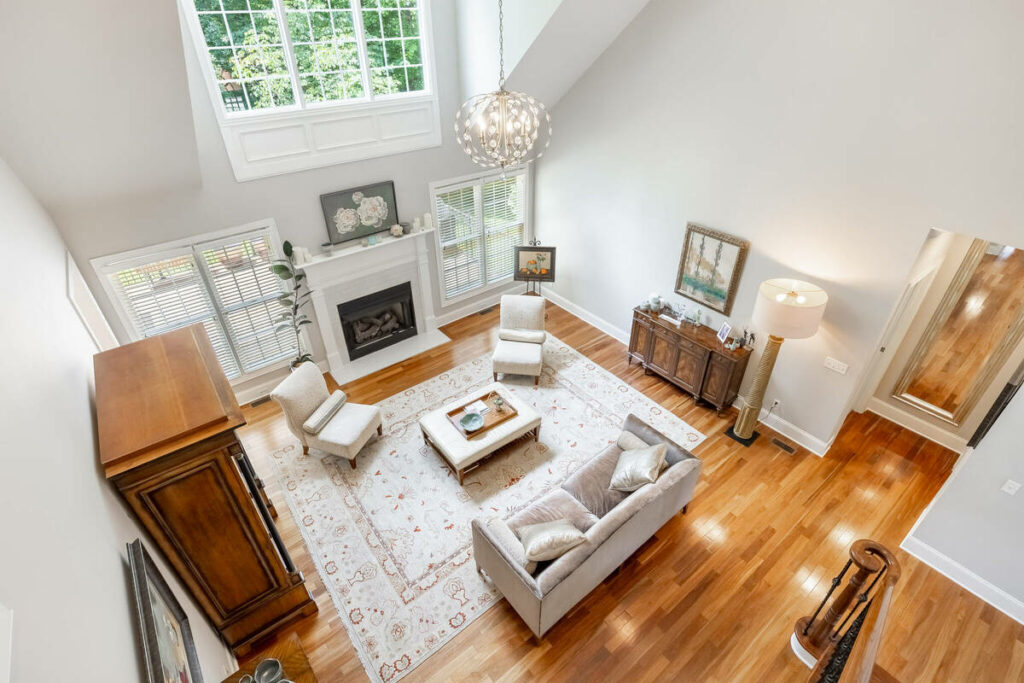
The part photographers worry about most is consistency across the set. A living room that reads warm next to a kitchen that reads cool makes the whole listing feel off, even if each image looks fine alone. Batch consistency is exactly what a professional editing team is structured to deliver, because they process the entire set in one pass under one standard.
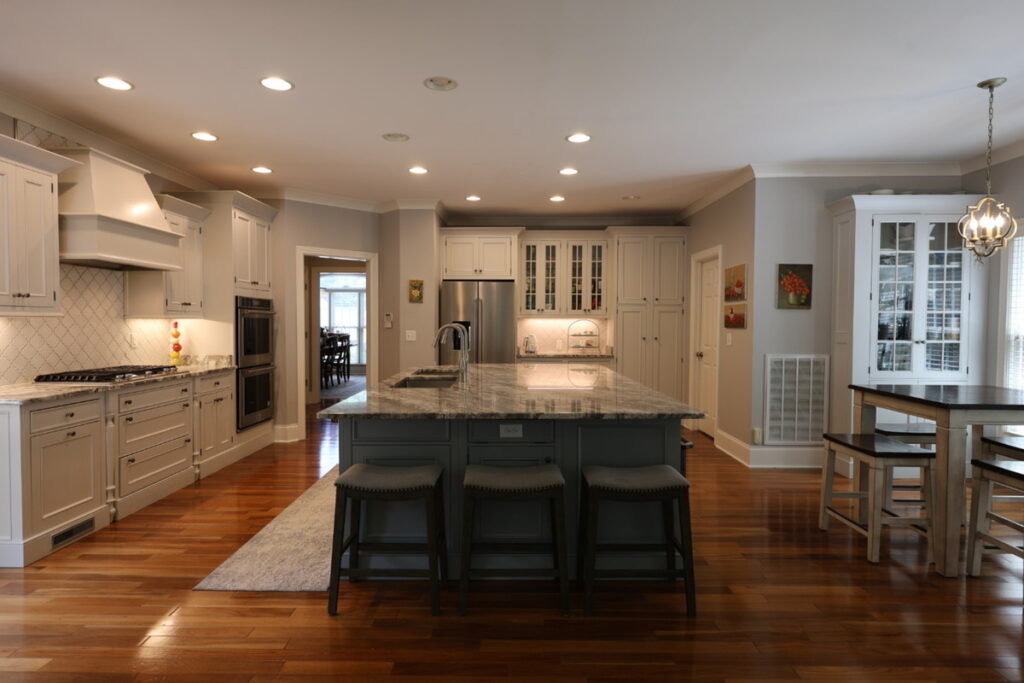

Before anything reaches you, the images go through a quality check. A reviewer compares the finished set against your profile and sends back anything that misses it. You should never be the first quality gate on your own outsourced edits.
Even with that layer in place, some images will need another pass. That’s what revisions are for.
How Do Revisions Work When Outsourcing Photo Editing Services?
Every reputable service includes revisions, and you should use them without hesitation in the early weeks. Revisions are the feedback channel that turns a generic editing team into your editing team.

The quality of your notes determines how fast that happens. “This looks off” gives an editor nothing to act on. “Warm this up and reduce the window pull so the exterior isn’t competing with the room” gets fixed in one pass and remembered on the next shoot.
Mark the specific images, describe the specific change, and reference your original examples when it helps. Expect your revision rate to drop noticeably by weeks three and four. If it doesn’t, that’s a real signal, and it’s worth a direct conversation with the service before you scale up your volume.
In short: revisions early, and specific ones, are how you buy consistency later.
How Does Your Workflow Change After the First Month?
This is where the math shows up. Say you shoot five listings a week at around 30 images each. At four to six minutes per image self-editing, that’s 10 to 15 hours a week at the desk. Outsourcing turns that into the 20 to 30 minutes it takes to upload, review, and deliver.
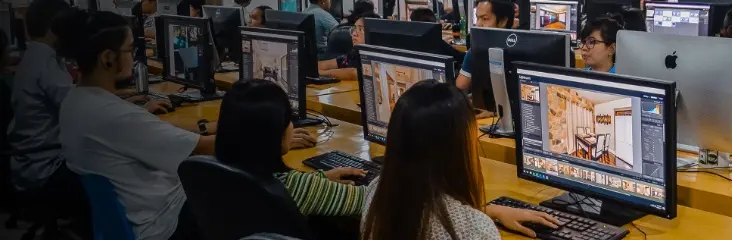
Those hours convert directly into capacity. More shoots per week, faster delivery windows you can actually promise, and marketing time that never used to exist. Listings with strong photography also earn 118% more online views than comparable listings, so the quality you’re delivering keeps feeding demand for your work.
The change most photographers mention first, though, has nothing to do with business growth. They get their evenings back during peak season.
The takeaway is this: outsourcing photo editing services takes a few weeks of calibration up front, then pays you back in hours, every week, for as long as you shoot.
Ready to See How It Works? Try PhotoUp
That’s where PhotoUp comes in. PhotoUp has been editing for real estate photographers since 2012, with a team that handles the full range of listing work:
- Real estate photo editing
- Virtual staging
- Day-to-dusk editing
- Virtual house tours
- Single property websites
Have You Ever Thought To
Outsource Photo Editing?
Try it today with 5 free edits from three professional photo editors.
PhotoUp delivers standard edits in as little as 12 hours, with dedicated editors who keep your style consistent. Every image is quality-checked before delivery, revisions are easy to request in the dashboard, and the service scales from single listings to high-volume workloads.
How to get started:
- Sign up for a free PhotoUp account
- Upload the RAW brackets from one listing
- Set your style preferences and export settings
- Receive your edited images in 12 to 24 hours
- Review the results against your own edits
Try a test order, free. Upload one listing, get edits back, and compare the results side by side with your own work before you commit to anything.
Related Articles:
- How Photo Editing Outsourcing Fits Modern Workflows
- 7 Editing Details That Separate Amateur and Professional Property Photos
- Can AI Real Estate Photo Editing Services Match the Eye of a Professional Editor?
- 7 Things to Look for When You Outsource Real Estate Photo Editing
- 5 Signs It’s Time to Outsource Your Real Estate Photo Editing