Table of Contents
- Turnaround Time They Can Actually Sustain
- The Ability to Match and Hold Your Style
- Communication and Responsiveness
- Service Range That Covers Your Real Workload
- Pricing That’s Transparent and Scales With You
- An Upload and Revision Workflow That Doesn’t Slow You Down
- A Free Test Before You Commit
- Outsource Real Estate Photo Editing With PhotoUp
Not every real estate photo editing service delivers the same results. Turnaround times, consistency, and quality control vary significantly across providers. Those differences only become clear after you’ve already handed over a week’s worth of RAW files.
Choosing the wrong partner doesn’t just cost you money. It costs you client trust. An agent who receives inconsistent edits — or waits on late deliveries two weekends in a row — starts looking for a different photographer.
The gaps between providers are predictable, though. Here are seven things worth examining closely before you commit to any real estate photo editing outsource provider.
1. Turnaround Time They Can Actually Sustain
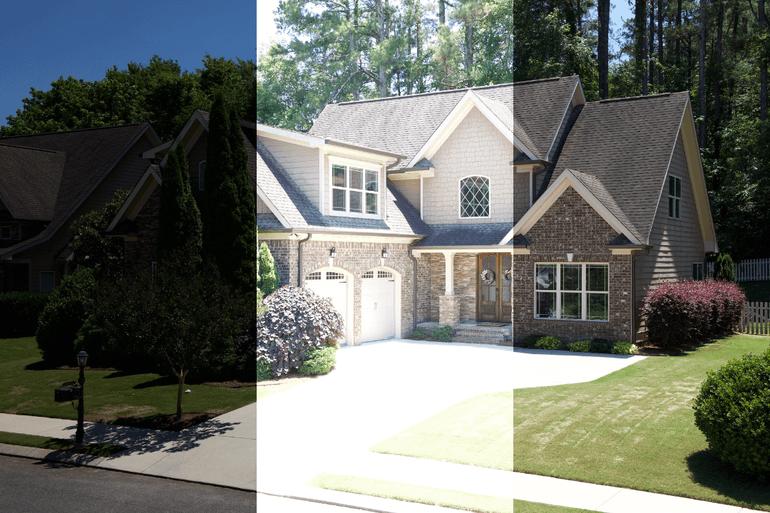
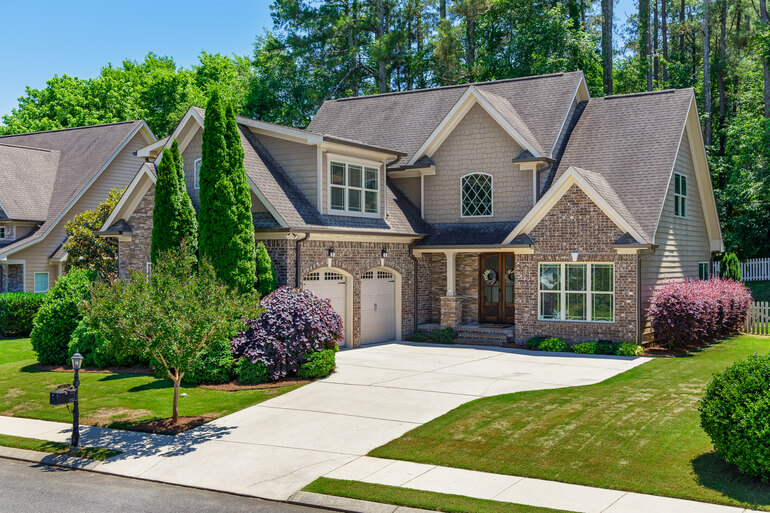
Most real estate photo editing services advertise 12- to 24-hour delivery. What matters is whether that holds at volume. Twelve hours on a 30-image shoot is a very different commitment than 12 hours on a 200-image week with staggered agent deadlines.
The right question to ask any provider: what’s your turnaround on a high-volume week? Providers with a real process behind them can answer that specifically. Providers working from best-case estimates usually can’t.
Reliable turnaround is a workflow issue, not just a speed issue. It determines whether you can promise clients a Tuesday morning delivery with confidence — or spend Sunday night checking your inbox.
2. The Ability to Match and Hold Your Style 🖼️
A single polished photo means less than it seems. What matters is whether an entire listing set feels consistent — from the first bedroom shot to the last backyard angle. Color temperature, exposure, and overall look should hold across every image.
Browse Top Dedicated
Real Estate Photo Editors
Ready-to-hire editors for real estate photo editing, and more.
Some providers assign rotating editors to incoming work. That creates volume throughput, but it also means a different person handles your shoot this week than last week. The result is subtle inconsistency that accumulates over time.
A dedicated editor model is what actually produces style cohesion. The same person learns your preferences and your clients’ expectations. Ask any provider whether you’ll have a dedicated editor or whether your work enters a general queue.
3. Communication and Responsiveness💡
Editing quality gets most of the attention. Communication is what determines how the relationship holds up over time. When something comes back wrong, can you reach a real person quickly — or are you filing a ticket and waiting?
Pay attention to response times during the trial period. If a provider is slow to communicate before you’ve committed, that pattern doesn’t improve after.
Have You Ever Thought To
Outsource Photo Editing?
Try it today with 5 free edits from three professional photo editors.

4. Service Range That Covers Your Real Workload 🏡
Most providers handle standard daytime interior edits — exposure balancing, white balance, basic HDR blending. The more useful question is whether they can handle the full range of shoots you actually take on.
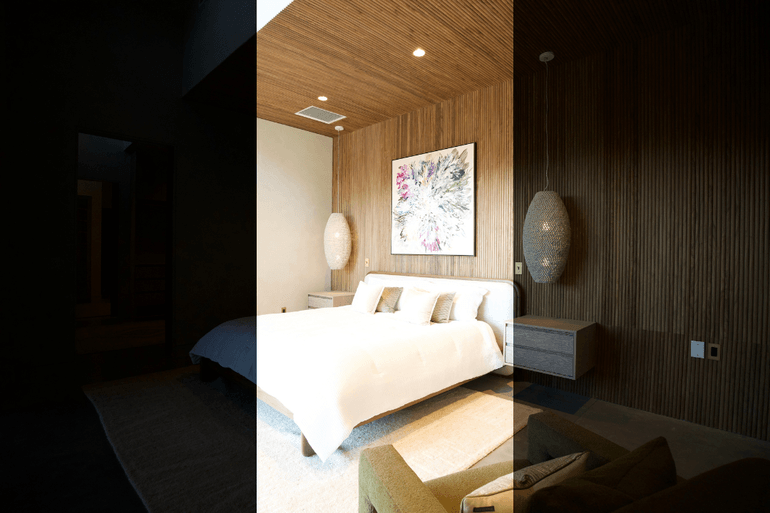
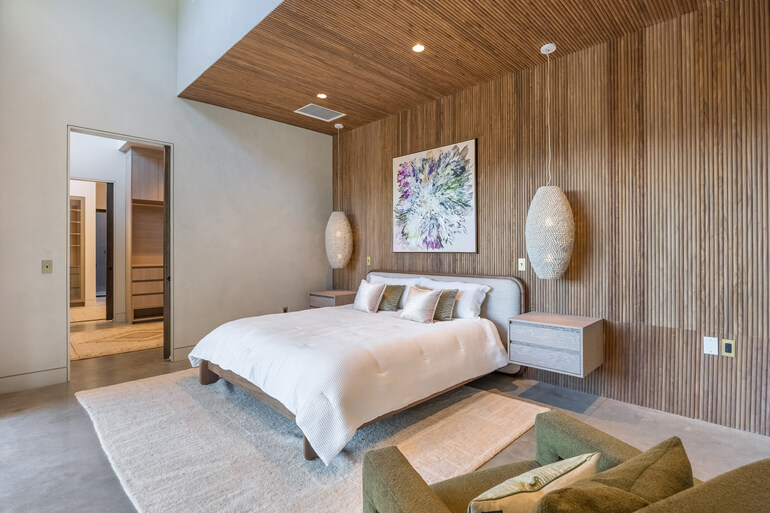
Before committing, check that the service covers:
- Sky replacement on shots with complex tree lines or irregular rooflines
- Twilight and day-to-dusk conversions
- Mixed-light interior corrections with local adjustments
- Object removal beyond minor distractions
- Virtual staging and luxury-level refinement
These aren’t edge cases — they’re regular jobs. A provider that struggles with anything non-standard will let you down at the worst moments.
5. Pricing That’s Transparent and Scales With You 💰
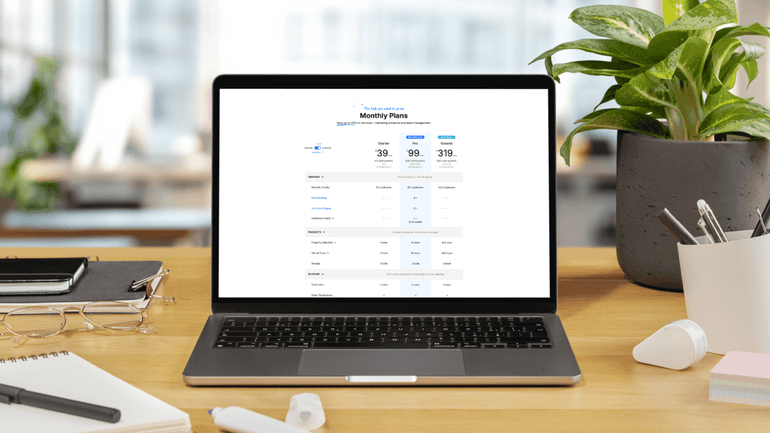
Per-image pricing is the clearest structure for real estate photo editing. It’s easy to project costs, and it keeps providers accountable on a per-deliverable basis.
The risks aren’t always in the headline pricing. Watch for rush fees that aren’t disclosed upfront, minimum order requirements that don’t fit variable schedules, and revision fees that make routine corrections expensive.
Volume flexibility matters too. If your business grows from 10 listings a month to 30, can you scale with the same provider and the same pricing structure? The best partners plan for that from the start.
6. An Upload and Revision Workflow That Doesn’t Slow You Down 🔄
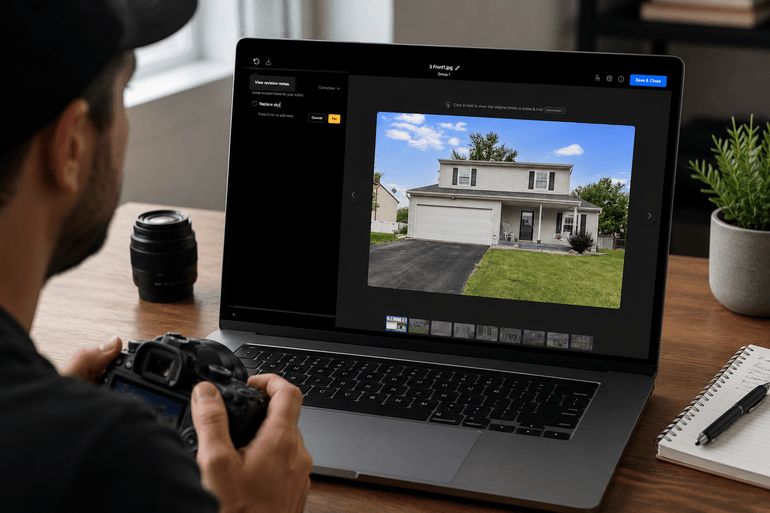
The editing quality might be excellent, but if uploading files, tracking delivery, and requesting revisions requires significant manual effort every week, the time savings from outsourcing erode quickly.
Look for:
- A straightforward upload platform — no zipping files and emailing folders
- Clear file tracking so you know where a batch is in the queue
- A direct feedback or annotation tool for revision requests
- A transparent revision policy that covers how many rounds are included and what triggers an additional charge
The operational reality is that you’ll interact with this workflow on every single shoot you outsource. A platform that’s clunky or requires workarounds isn’t a minor inconvenience — it’s a recurring tax on your time.
7. A Free Test Before You Commit ✅
Any established real estate photo editing service should offer a way to test their output before you commit to ongoing work. Not a demo on their sample images — a real edit on your own photos, from a recent shoot, with the same complexity level your typical projects involve.
A test order tells you more than any portfolio page: how accurately the editor interprets your style notes, whether the revision process is responsive, and whether the turnaround time holds up in practice rather than in the estimate.
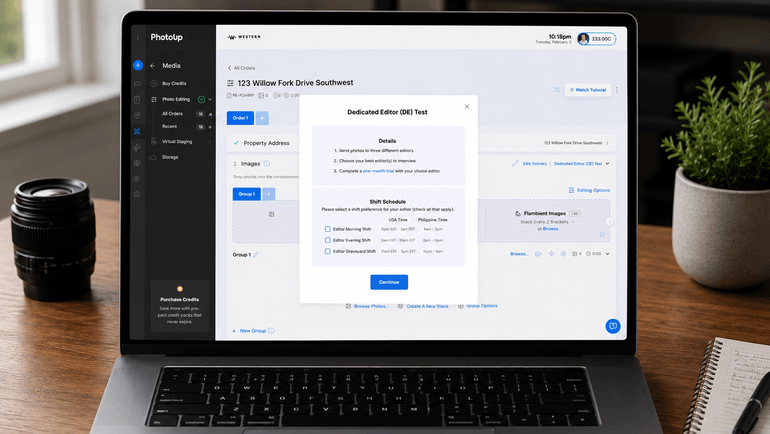
If a provider doesn’t offer a trial or a risk-free first order, that’s worth noting. It suggests either limited confidence in their output or a business model built around lock-in rather than earned trust.
Choosing the Right Outsource Partner for Real Estate Photo Editing
The seven criteria above aren’t a wish list — they’re a filter. Most providers clear two or three of them. Finding one that covers all seven consistently is rarer, and that consistency is what determines whether outsourcing actually improves your workflow or adds a different kind of friction.
The clearest signal of a reliable partner is a provider who can give direct, specific answers to direct, specific questions. What’s your turnaround on a 200-image week? Who reviews edits before delivery? What’s your revision policy? The answers — or the absence of them — tell you most of what you need to know.
Have You Ever Thought To
Outsource Photo Editing?
Try it today with 5 free edits from three professional photo editors.
Outsource Real Estate Photo Editing With PhotoUp
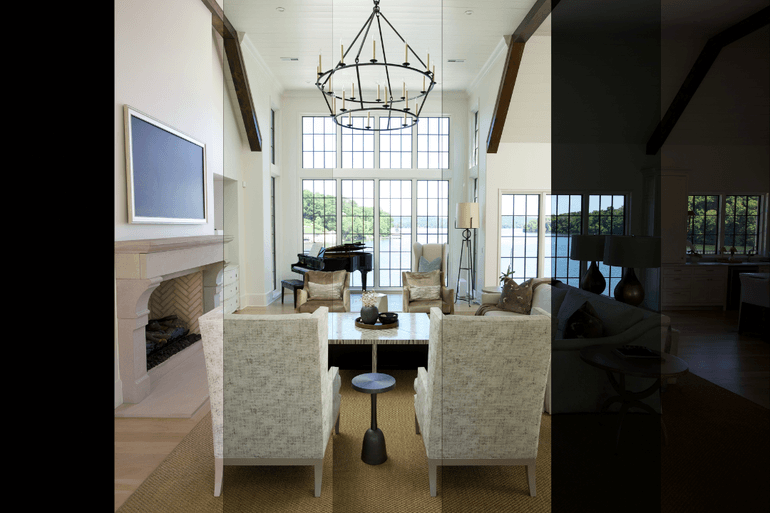

PhotoUp is a real estate photo editing outsource service built for photographers who shoot at volume. Our platform supports the full range of real estate photo editing work, backed by a dedicated editor model and a 12-hour turnaround on standard orders.
What PhotoUp offers:
- Professional real estate photo editing (HDR blending, color correction, sky replacement, object removal)
- AI-assisted editing for high-volume batch work
- AI virtual staging for vacant and occupied spaces
- Property websites and virtual tours
- Day-to-dusk and twilight conversions
Looking for a photo editing partner you can rely on? PhotoUp pairs you with a dedicated editor who learns your style, while quality checks, easy file tracking, and transparent per-image pricing help keep every project running smoothly.
How to get started:
Create a free PhotoUp account and submit a test order at no cost. Upload one listing, get edits back within 12 hours, and review the quality of your own images before committing to anything.
Related Articles:
- Outsource Real Estate Photo Editing in 2026 — Pros, Cons, and Costs
- How to Successfully Outsource Your Real Estate Photo Editing
- DIY vs. Professional Editing — When Should You Outsource Real Estate Photo Editing?
- 11 Best Real Estate Photo Editing Services
- Why Should Photographers Outsource Their Real Estate Photo Editing?