Table of Contents
- What Does Photo Editing Outsourcing Actually Involve?
- How Does It Fit Into a Real Estate Photography Workflow?
- How Does Photo Editing Outsourcing Affect Your Turnaround Time?
- How Does Consistency Work Across a Session?
- What Does the Collaboration Side Look Like?
- What Doesn’t Outsourcing Change?
- Start Outsourcing With PhotoUp
For real estate photographers shooting multiple properties a week, editing is usually the biggest drain on time. It’s not the shooting that limits how much you can take on. It’s the hours spent in post.
Photo editing outsourcing addresses that directly.
What used to feel like a risky handoff (sending RAW files somewhere and hoping the results were usable) now runs on structured upload portals, defined turnaround windows, and editors who learn your style over time. The process is more predictable than it used to be, and the workflows built around it are easier to plug into an existing business.
This article covers how outsourcing fits into a working photographer’s day-to-day: what it changes, what stays the same, and what to think about before you commit.
What Does Photo Editing Outsourcing Actually Involve?
Outsourcing means sending your RAW files to a professional editing team and getting finished images back, color-corrected, exposure-balanced, and matched to your style preferences, without touching them in post.
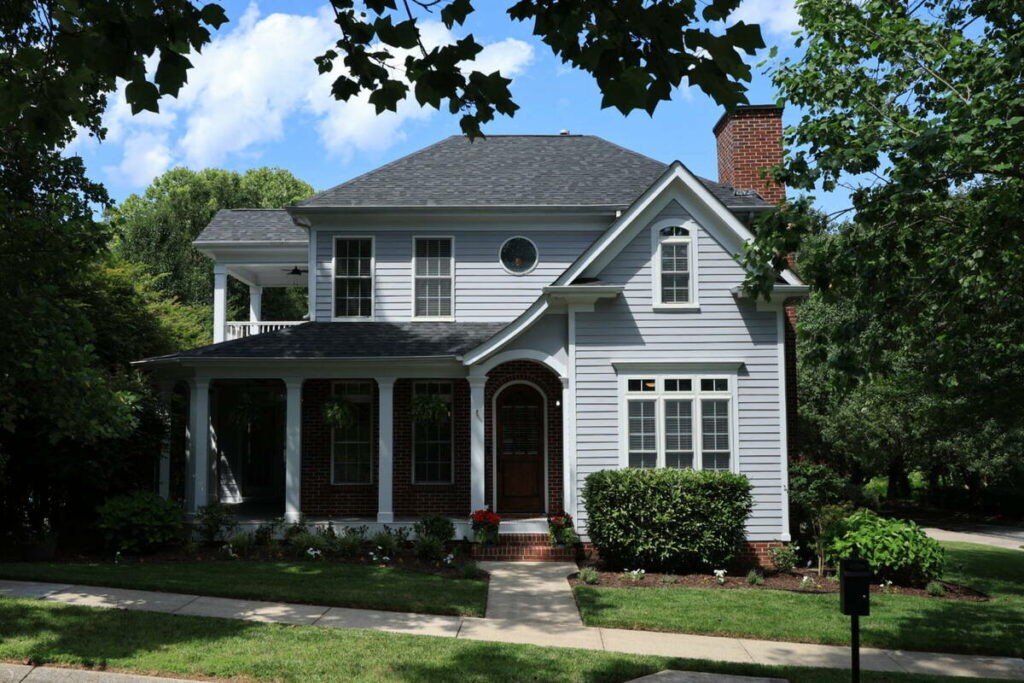
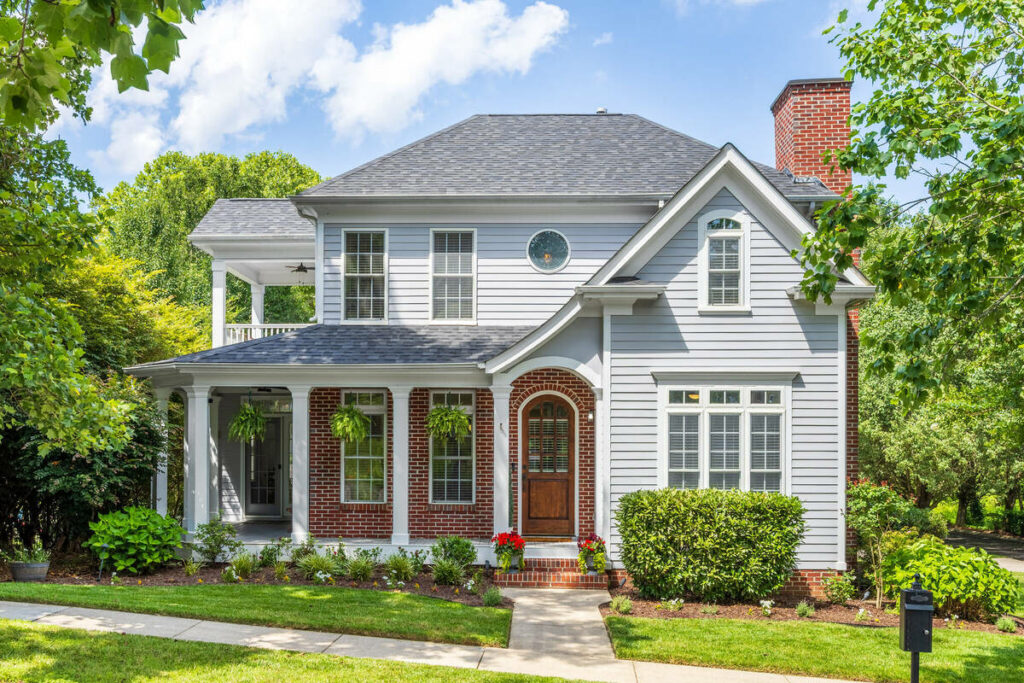
The process is straightforward once you’ve run through it a few times. You upload a shoot, specify any notes or preferences, and the editing team handles the rest. Turnaround windows for real estate editing typically run 12–24 hours, which means files shot in the morning can be back in your hands by the next day.
What’s changed in recent years is the consistency piece. Services that do this well don’t apply a generic look to every shoot. They match your editing preferences (your white balance tendencies, how you handle windows, your exposure style) and produce results that fit your visual standard.
How Does It Fit Into a Real Estate Photography Workflow?
The adjustment isn’t as big as photographers tend to expect. The core of your workflow stays the same: you shoot, you cull, you deliver. Outsourcing replaces the editing block in the middle.
A typical cycle looks like this:
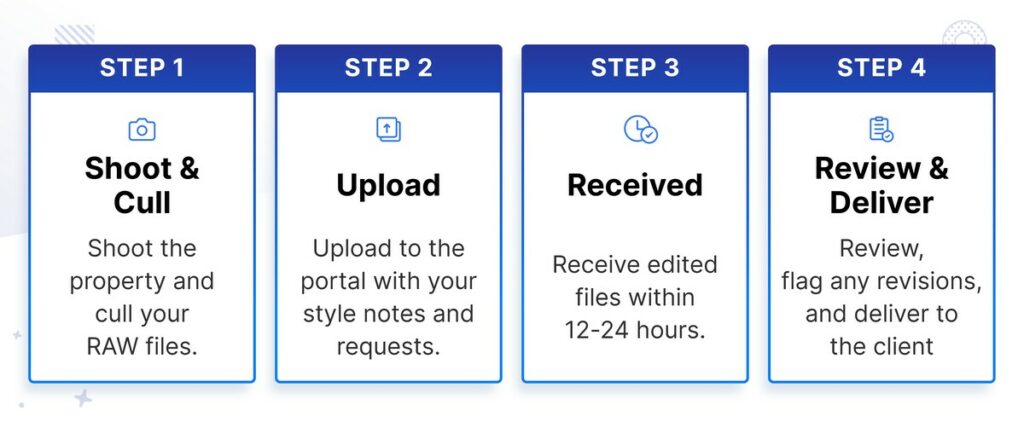
The first few orders are a calibration period. You provide feedback, the editors adjust, and the results tighten up. Photographers who go through that initial phase tend to find the output stabilizes quickly, often within three to five shoots.
After that, the workflow runs with less involvement from you. The files go out, the edits come back, and the review step takes a fraction of what editing the set yourself would have taken.
How Does Photo Editing Outsourcing Affect Your Turnaround Time?
The most immediate change photographers notice is how delivery speed shifts. When editing is no longer the bottleneck, you can realistically book more shoots per week without extending your delivery window.
High-Quality & Consistent
Real Estate Photo Editing
Hire a dedicated editor with performance metrics from $7/hour.

To put some numbers on it: if you’re spending 3–4 minutes per image on a 250-image week, that’s roughly 12–16 hours of editing. Outsourcing doesn’t eliminate that time entirely. You’re still reviewing. But it compresses the total significantly. Review on a well-edited set of 80 images might take 20–30 minutes rather than four hours.
That changes compounds. Faster delivery builds client trust. Faster delivery means you can take the Thursday morning shoot without staying up Tuesday night. The workflow effect is real.
How Does Consistency Work Across a Session?
Editing 80 images from the same property yourself is harder than it sounds. Small decisions compound. Color temperature judgment shifts after an hour, especially late at night. What looks right on the 20th image might not match what you approved on the 5th.
An editing team working with defined settings and fresh eyes tends to produce more consistent results across a full set. The white balance on image one matches image 80. Exposure treatment is uniform across bracketed sets. That consistency matters when a client is clicking through 40 listing photos and the look needs to hold.
Browse Top Dedicated
Real Estate Photo Editors
Ready-to-hire editors for real estate photo editing, and more.
There are limits. Luxury listings with highly specific client expectations sometimes need closer creative oversight. Shoots with complicated lighting situations (heavy mixed light, unusual architectural details, irregular tree lines against the sky) may need more specific instructions or a tighter revision loop. Outsourcing works well on the volume; the edge cases take more attention.
What Does the Collaboration Side Look Like?
Working well with an editing team is partly upfront setup and partly communication over time. The clearer your preferences are at the start (how you like exposures handled, your typical HDR approach, how aggressive you want object removal), the faster the team gets dialed in.
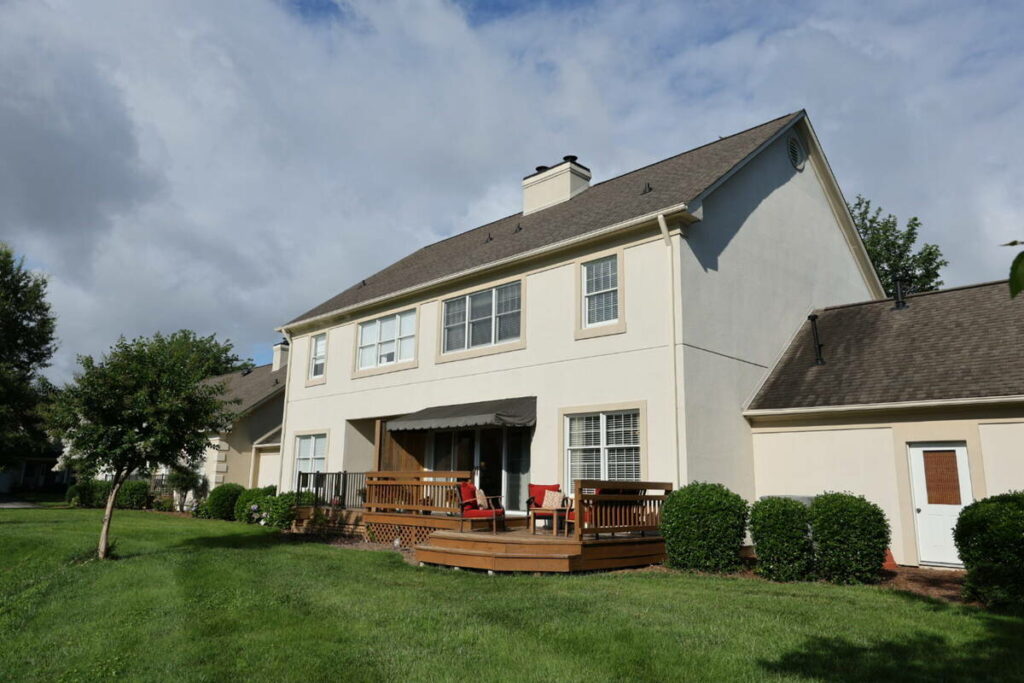
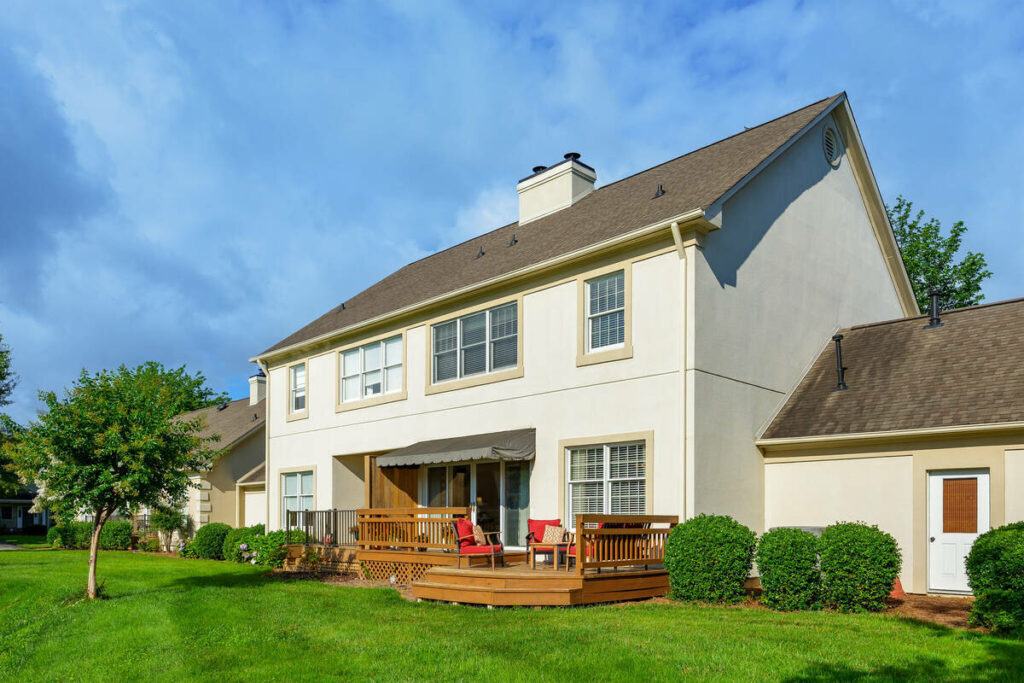
Most services give you a way to pass shoot-specific notes on upload. Sunset conversions, sky replacements, specific distractions you want removed — you flag them at upload and the editor handles them as part of the order. That keeps back-and-forth to a minimum.
Revision requests are normal, particularly in the early stages. A good editing service handles them without pushback. If revisions trigger extra charges or the feedback process is slow, pay attention to that before you commit.
What Doesn’t Outsourcing Change?
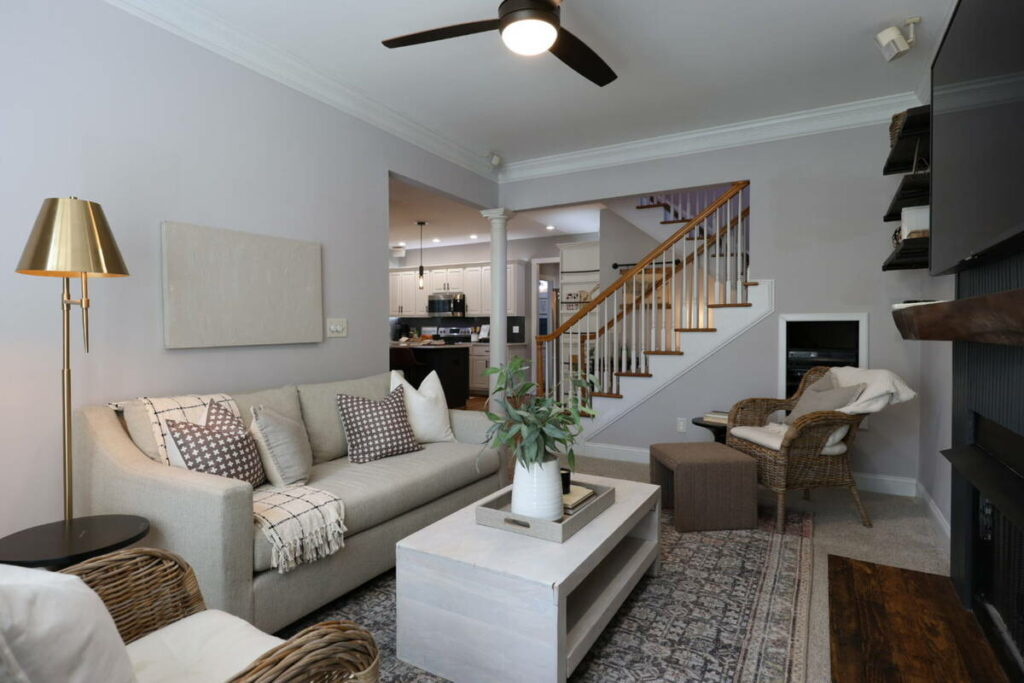
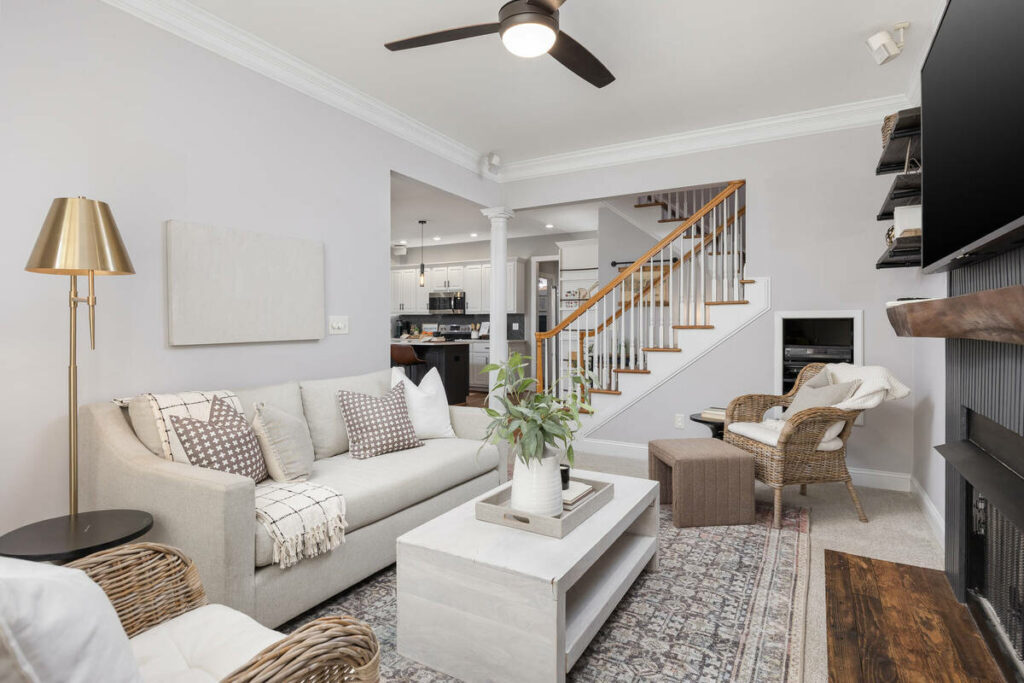
Your creative judgment stays with you. Outsourcing handles the mechanical execution: the corrections, the consistency work, the batch processing. You’re still the one directing the shoot, deciding which frames to deliver, and setting the standard your clients expect.
Clients don’t see the production chain. They see images delivered on time that look the way you’ve trained them to expect. The outsourcing relationship is your production tool, not something that changes the client experience.
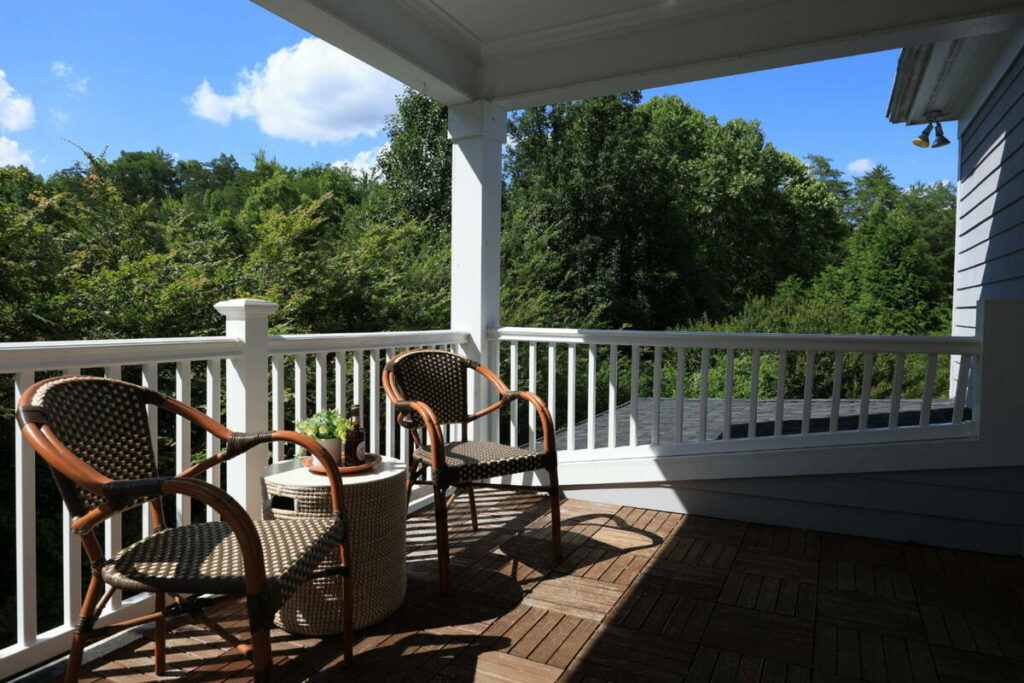
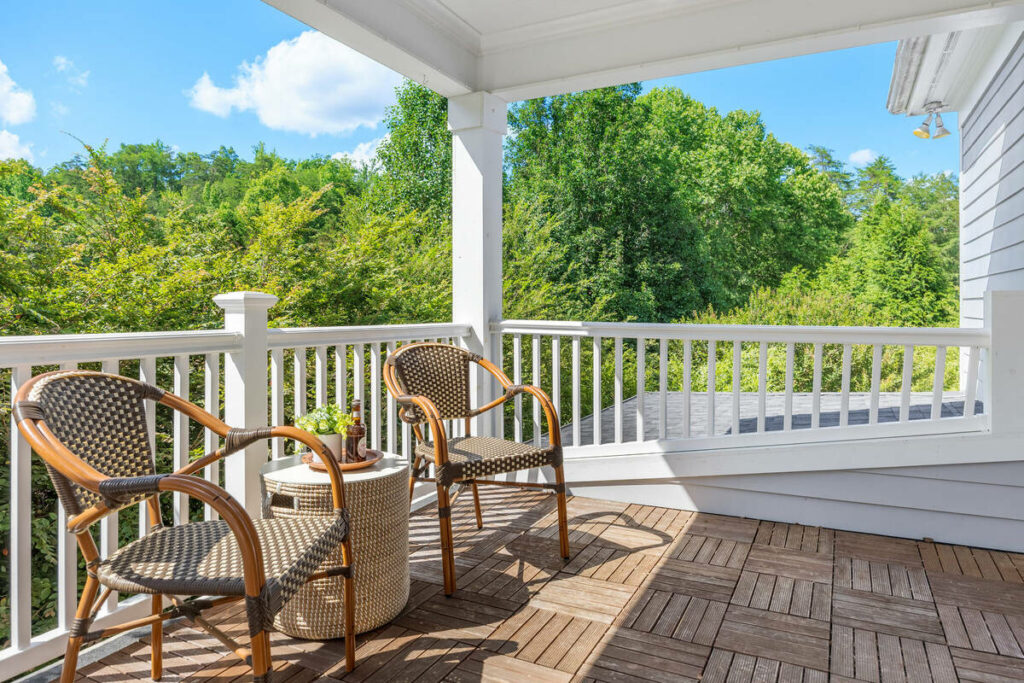
Photographers who find outsourcing most useful tend to treat it as a capacity lever: a way to increase what they can shoot and deliver without increasing their hours behind a screen.
Start Outsourcing With PhotoUp
PhotoUp connects real estate photographers with professional editing teams trained specifically in real estate post-processing: exposure correction, white balance, HDR blending, sky replacement, object removal, and more. Turnaround is 12 hours on standard orders.
PhotoUp services include:
- Real estate photo editing
- AI-assisted editing for high-volume work
- Virtual staging
- Property websites
- Virtual tours
Photographers choose PhotoUp for style-matched editing that improves over time, helping maintain a consistent look across every gallery. With a 12-hour standard turnaround, included revisions, the option to work with a dedicated editor, and a simple upload portal, it offers a fast and hassle-free editing workflow.
How to get started:
- Create a free PhotoUp account
- Upload your first order with your style preferences and any shoot-specific notes
- Receive edited files within 12 hours
- Review and request revisions if needed, included at no extra cost
- Deliver to your client and track how your workflow changes
Try a test order now!
Related articles:
- How to Undo in Photoshop – Real Estate Photo Editing
- Can AI Real Estate Photo Editing Services Match the Eye of a Professional Editor?
- How Real Estate HDR Photo Editing Services Elevate Property Listings
- How AI Real Estate Photo Editing Reshapes Photographers Workflows
- Why Real Estate Photo Editing Is the Hidden Driver Behind Faster Sales