Table of Contents
- Why Does AI Photo Editing Matter for Real Estate Photographers in 2026?
- Top Real Estate Photo Editing AI Trends for 2026
- How Do You Get the Best Results From AI Editing?
- What Can’t Real Estate Photo Editing AI Handle On Its Own?
- Get Market-Ready AI and Human Editing With PhotoUp
A busy week of shoots can leave you with 800 or more bracketed frames sitting in a Lightroom catalog. Editing them used to be the trade-off every real estate photographer accepted: shoot all day, edit all night. In 2026, real estate photo editing AI has changed that math, but only for photographers who use it deliberately.
The tools are no longer experimental. Neither are your clients’ expectations.
This guide covers where real estate photo editing AI stands in 2026, the trends worth watching, and how to build it into your workflow without letting quality slip.
Why Does AI Photo Editing Matter for Real Estate Photographers in 2026?
The economics of real estate photography have changed. Agents expect next-morning delivery, listing volume spikes during busy seasons, and the photographers who consistently deliver polished, high-quality images on time are the ones earning repeat business.
Your clients have changed how they work, too. NAR’s 2025 Technology Survey found that 68% of agents now use AI in their business, with image editing among the most common applications.1 As more agents rely on AI tools in their marketing, they also expect faster turnaround times from their photographers.
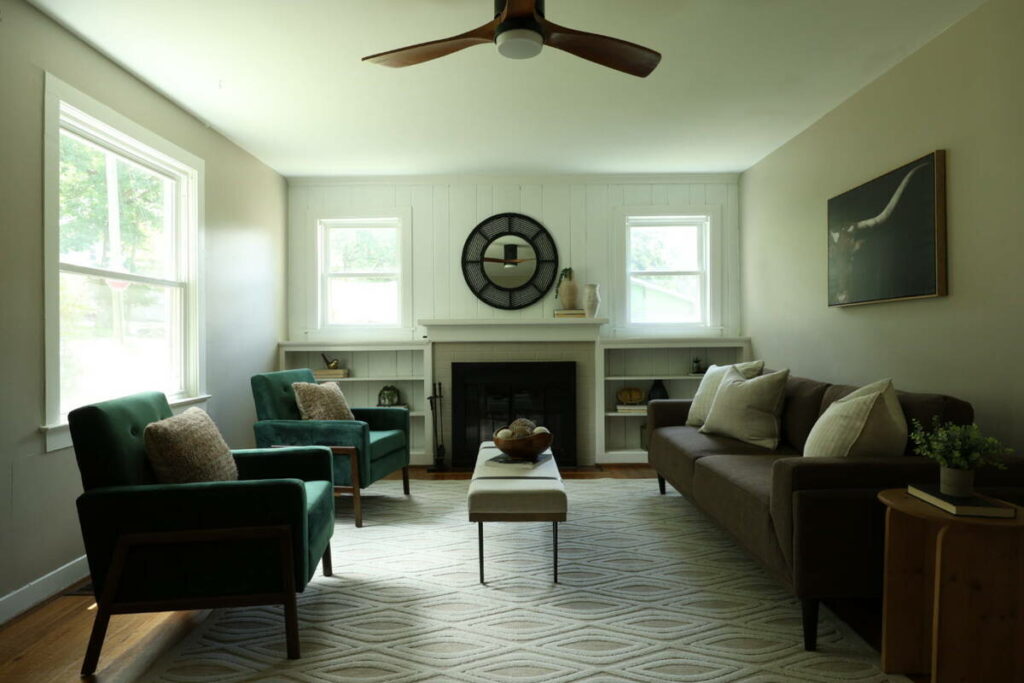

AI photo editing helps solve the volume challenge by automating repetitive first-pass corrections, including exposure balancing, HDR blending, and color consistency across an entire shoot. Instead of spending hours on routine edits, photographers can focus more on quality control, client service, and growing their business.
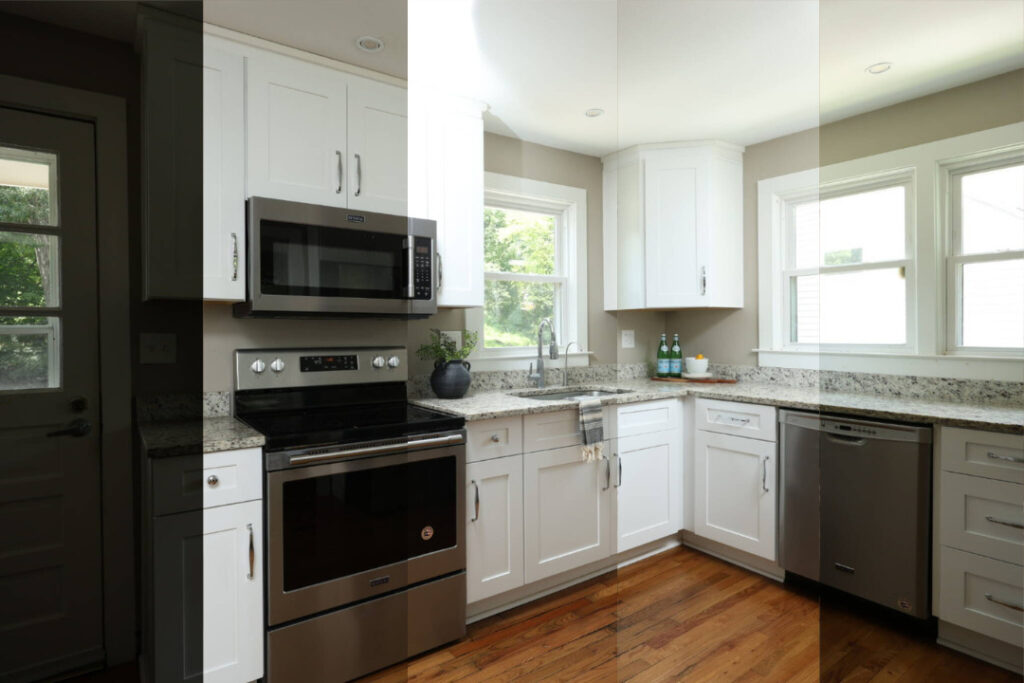
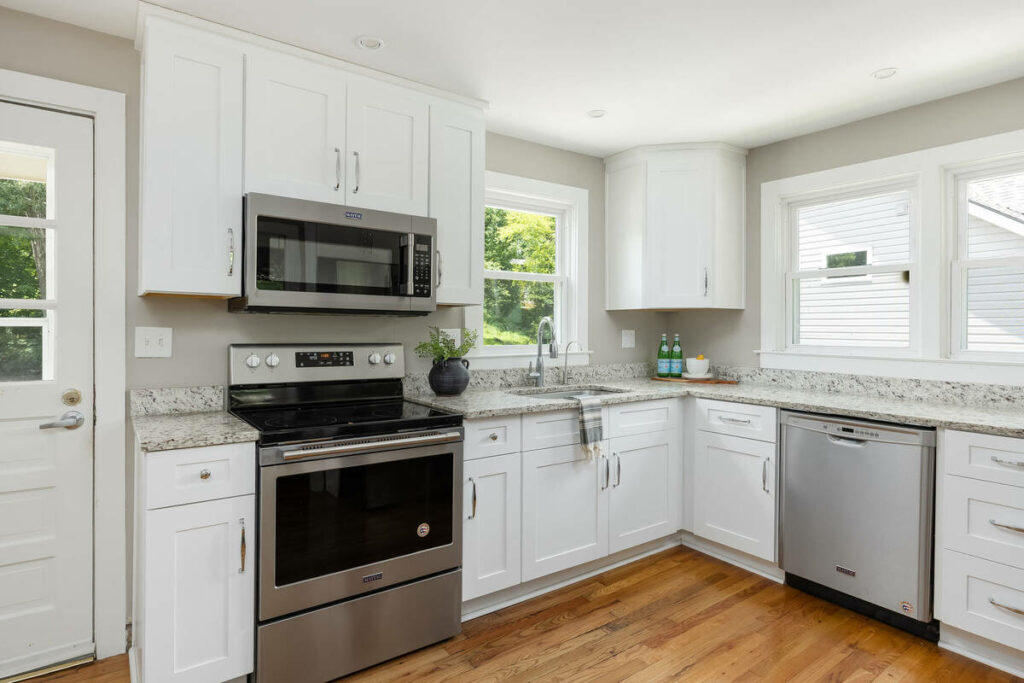
The benefits extend beyond your workflow. NAR’s 2025 Profile of Home Buyers and Sellers found that 81% of buyers consider listing photos the most useful feature during their online home search,2 while homes with professional photography sell about 32% faster than those without.3 AI does not replace your editing judgment. It simply handles the repetitive work, helping you deliver consistent, market-ready images in less time.
Top Real Estate Photo Editing AI Trends for 2026
Five trends stand out this year. Some are mature enough to build a workflow on. Others still need a human backstop, and knowing the difference is what separates a faster workflow from a callback from an unhappy agent.
1. Batch AI Editing Is the Default First Pass
AI now handles the foundational corrections reliably at scale: exposure balancing across bracketed sets, white balance on standard daytime interiors, HDR blending on clean shots, and color consistency across 30 to 80 images from the same shoot.
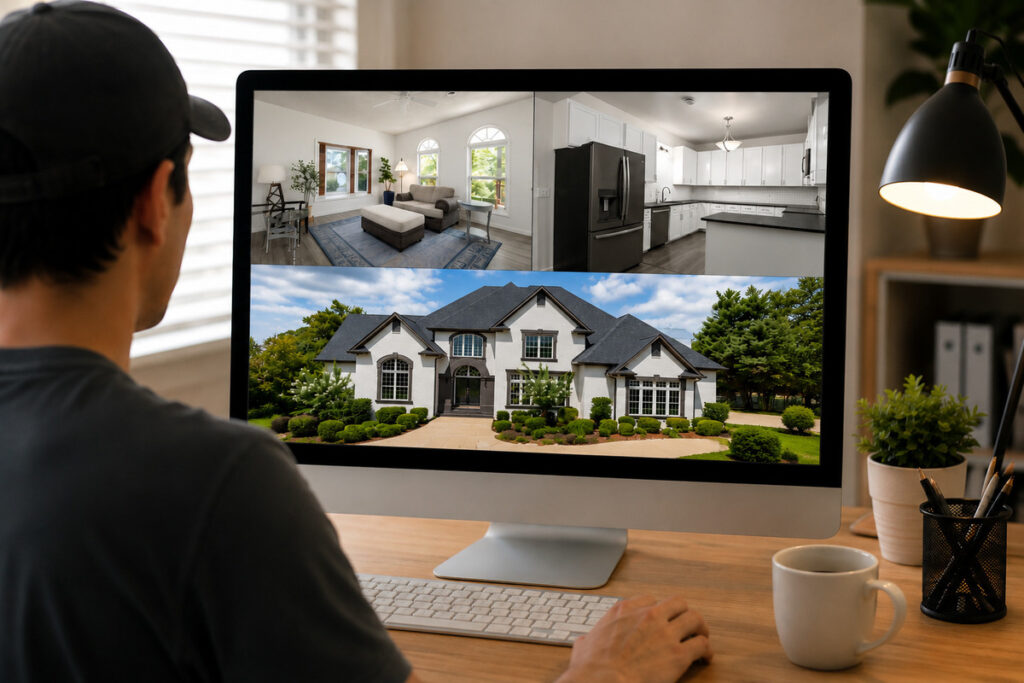
The shift in 2026 is that this has become the assumed starting point rather than an optional shortcut. Photographers running batch AI as the first pass, then reviewing output before delivery, report cutting per-image editing time to a fraction of a manual workflow. The edit you deliver is still yours. The tedious part just happens in minutes instead of hours.
2. AI Virtual Staging Has Grown Up
Early AI staging produced furniture that melted into floors. Current tools generate multiple styled versions of an empty room in minutes, with realistic scale, shadows, and material texture on standard rooms.
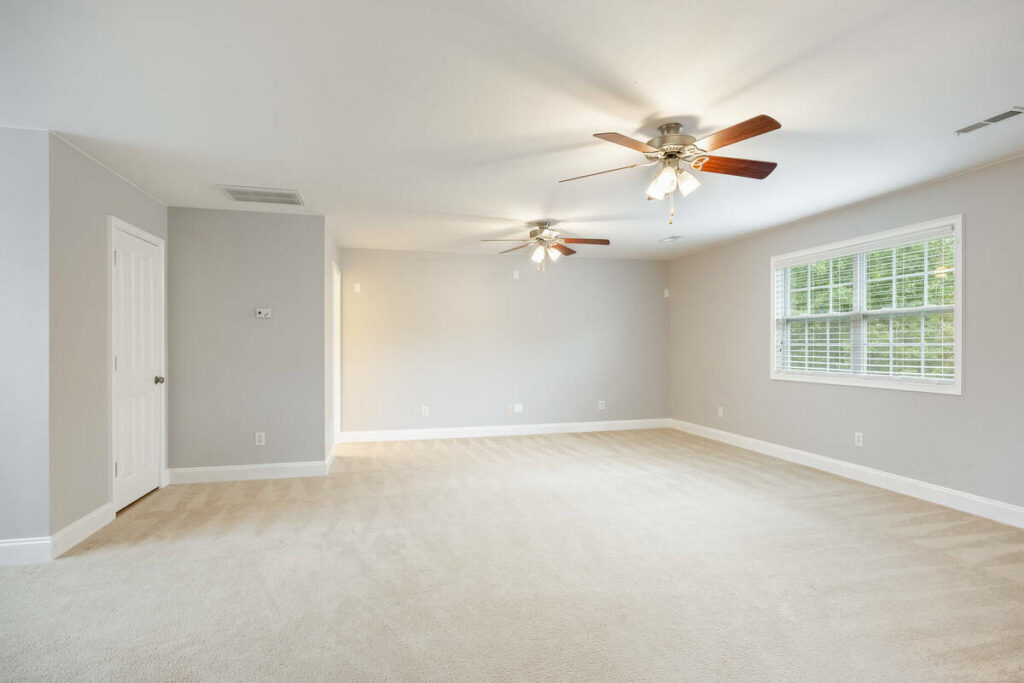

For photographers, this is a sellable add-on with almost no marginal labor. The caveat: results still vary on unusual layouts, and MLS rules in many markets require staged images to be disclosed. Build that disclosure into your delivery process rather than leaving it to the agent.
3. Day-to-Dusk and Sky Tools Are Better, Not Finished
Twilight conversion remains one of the highest-impact edits a listing can get, and AI versions have improved noticeably. On simple rooflines with open sky, automated day-to-dusk output can pass for a real twilight shoot.
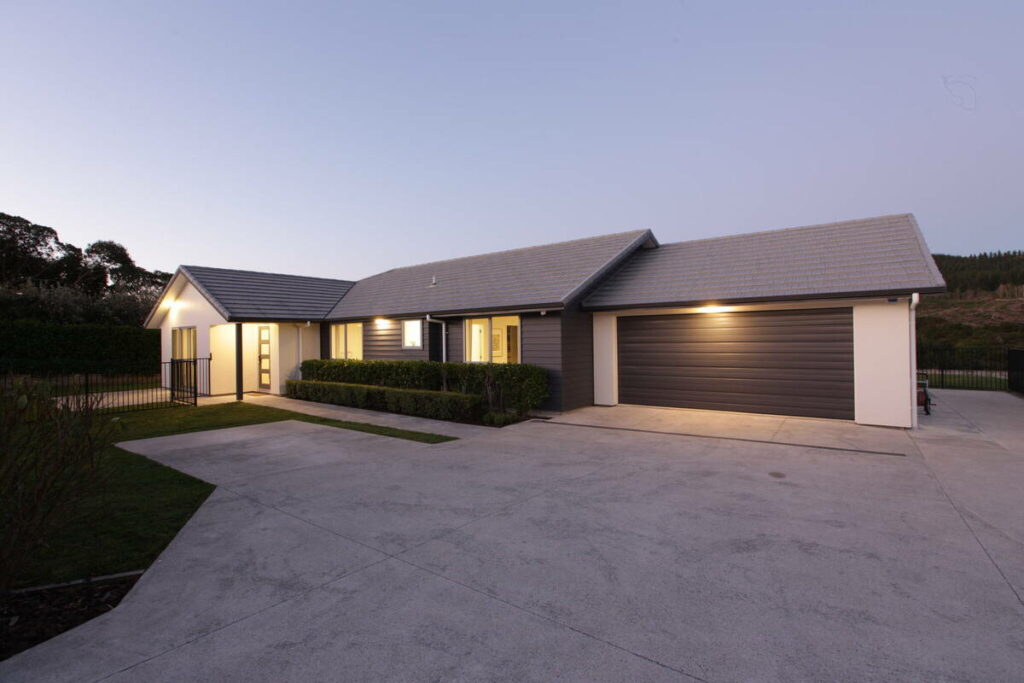
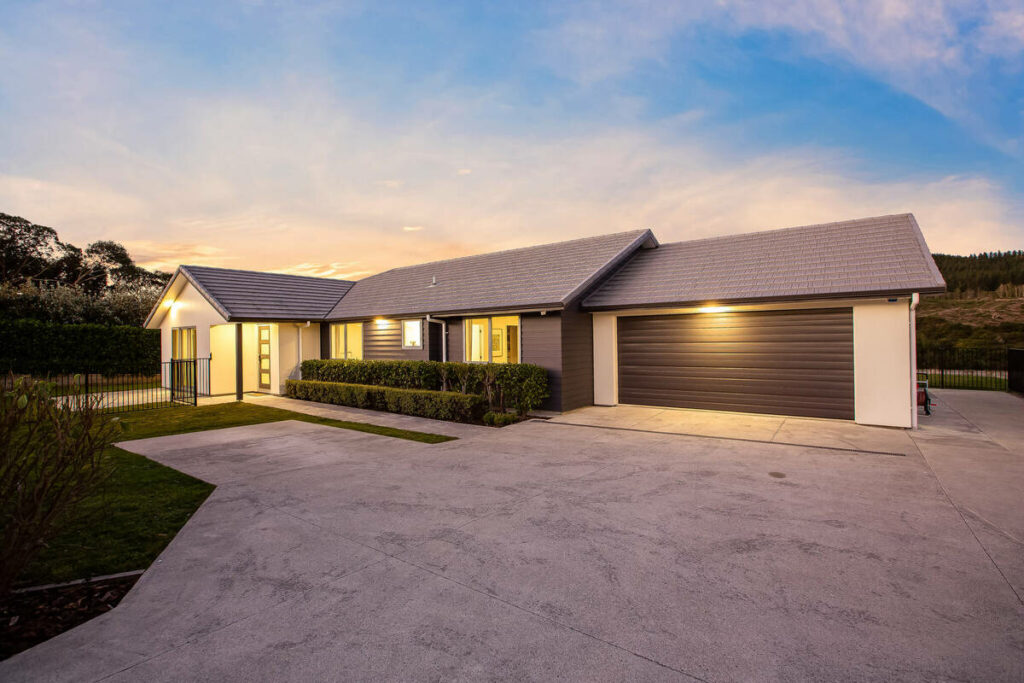
Complex scenes are a different story. Tree lines, irregular architectural edges, and reflective windows still trip up automated masking. This is the category where a quick review catches the artifacts an agent would definitely notice.
4. Photos Are Becoming Video
Tools that convert an edited photo set into a vertical video tour now produce usable output in minutes. With short-form video favored by nearly every social algorithm, agents increasingly expect a listing’s visual package to include something they can post to Reels or TikTok.
For photographers, this is a low-effort way to expand a listing package. The stills you already edited become a second deliverable, and a second line item.
AI + Human Review
Fast Edits. Trusted Results.
AI handles the workload. Humans handle the quality check.

5. Hybrid AI-Plus-Human Workflows Are the Standard
The clearest trend of 2026 is structural, not technical. The industry has largely stopped debating AI versus human editing and settled on a working answer: AI handles the 80%, the foundational corrections that repeat across every listing, and a human editor catches the 20% that requires judgment, context, or a client-specific standard.
Browse Top Dedicated
Real Estate Photo Editors
Ready-to-hire editors for real estate photo editing, and more.
That review gate is the piece that protects your reputation. Every AI workflow worth using has one.
All five trends point the same direction: AI is expanding what a solo photographer can deliver, as long as a human still signs off. Next, let’s get practical about how to set that up.
How Do You Get the Best Results From AI Editing?
AI output quality depends heavily on what you feed it and how you check it. Here are five practices that improve results:
1. Shoot for the algorithm. Clean, level, well-bracketed frames give AI tools their best chance. Sloppy brackets that a human editor would quietly fix will come back from an AI tool looking sloppy.
2. Batch by lighting condition. Group interiors, exteriors, and mixed-light shots separately before processing. AI color decisions are more consistent within a batch than across one, and separating conditions prevents the tool from averaging its way to a muddy result.
3. Build a review gate. Decide in advance who checks AI output before delivery, even if that person is you with a 10-minute pass. The failure mode isn’t that AI ruins every image. It’s that it quietly ruins one image in forty, and that one reaches the MLS.
4. Keep a written standard per client. Recurring agents have preferences: warmer interiors, greener grass, a specific sky style. Document them. AI tools apply a general standard, and your notes are how the output gets refined into what each client considers market-ready.
5. Route the hard shots to a human editor. Twilight conversions, luxury listings, and complicated composites deserve human hands from the start. Sorting these out before processing is faster than fixing AI output after.
Follow these five and the quality gap between AI-assisted and fully manual editing narrows to the point where clients can’t tell. What’s left is the set of jobs AI still shouldn’t touch alone.
What Can’t Real Estate Photo Editing AI Handle On Its Own?
Honest answer: a meaningful share of professional work. The specific gaps in 2026 look like this:
- Sky replacements around complex tree lines or irregular rooflines
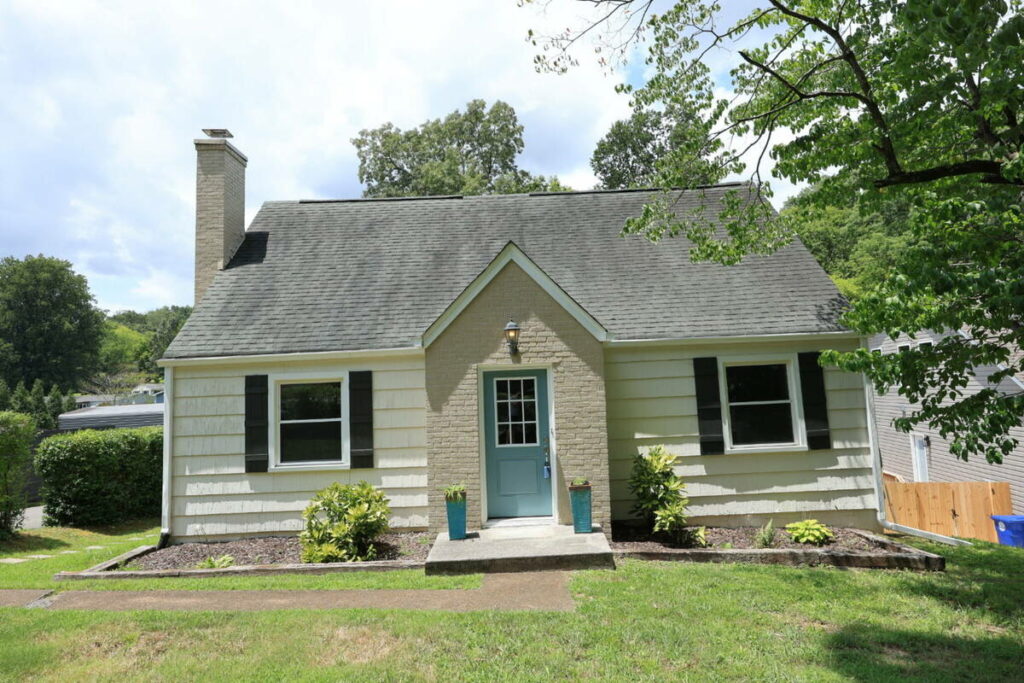
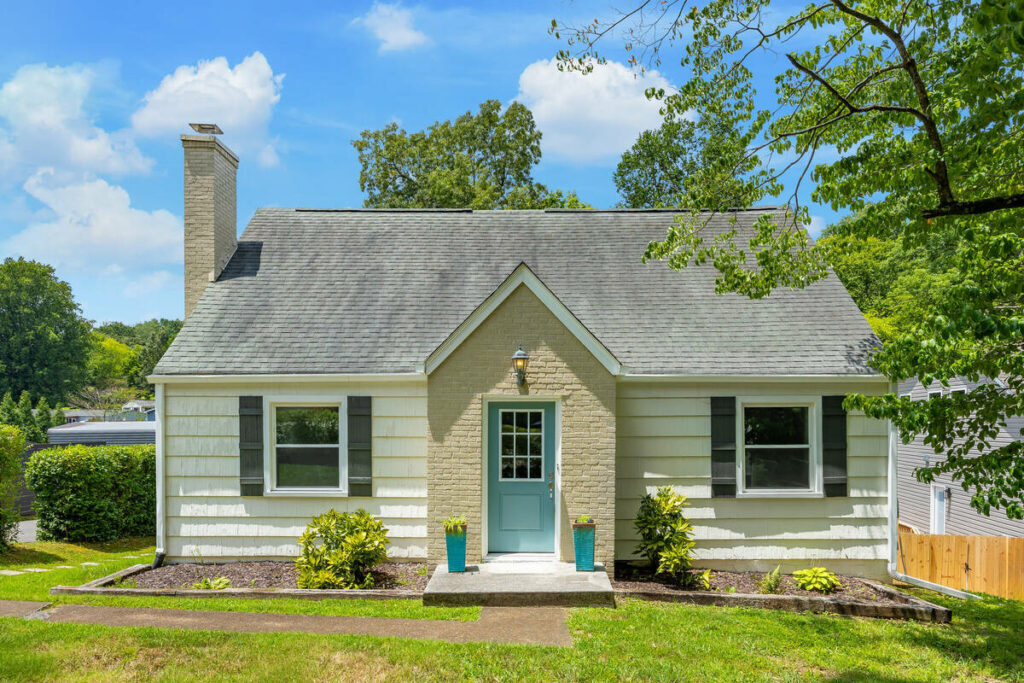
- Twilight and day-to-dusk conversions on demanding scenes
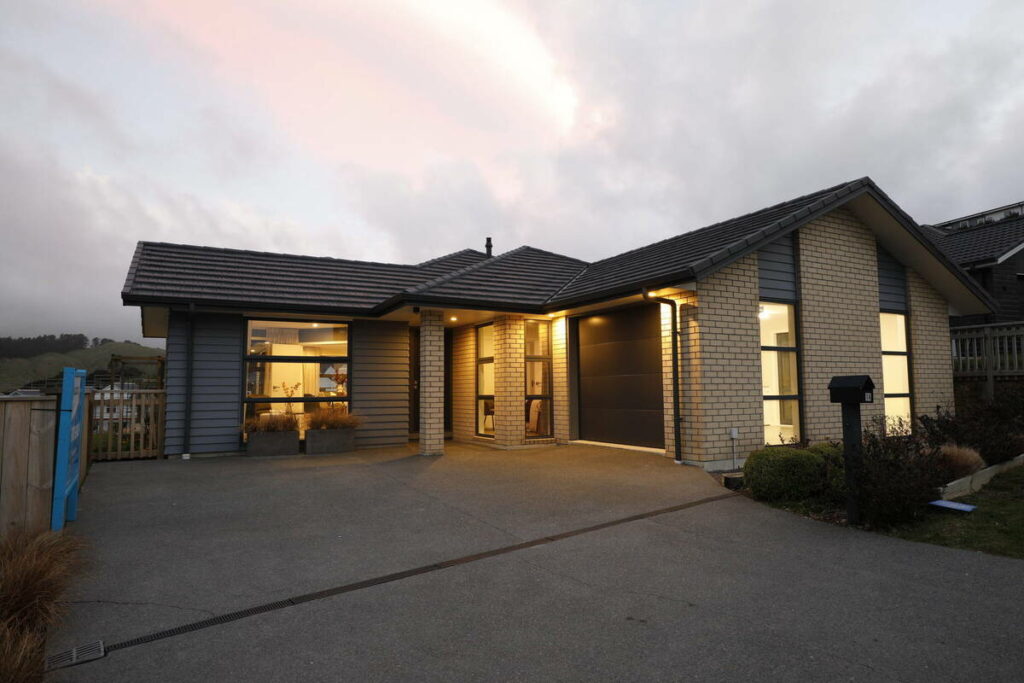
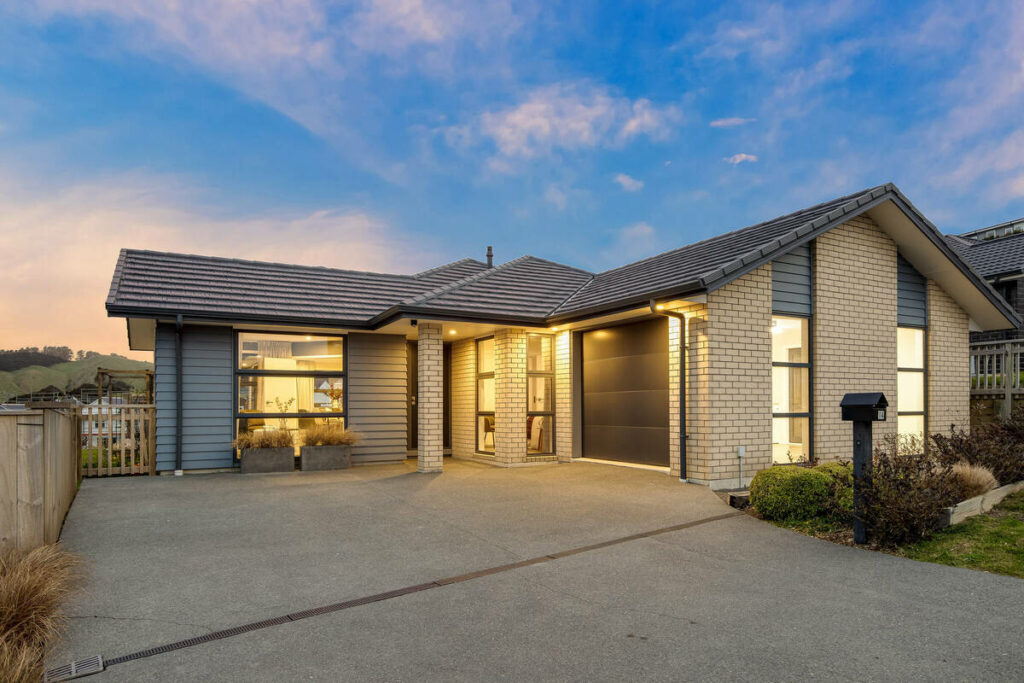
- Luxury listings where subtlety is the standard and expectations are exacting
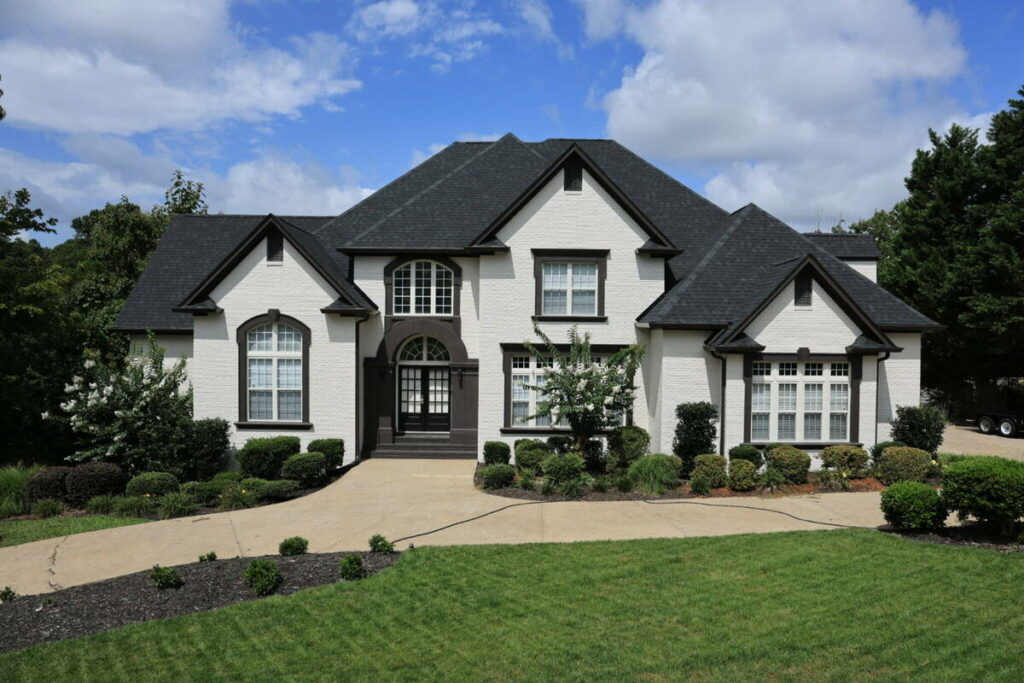

- Mixed-light interiors that need local, room-by-room adjustments


- Recurring clients with a defined, non-standard quality bar
The common thread is judgment. AI applies a general model of what a good listing photo looks like. It doesn’t know that this agent hates warm grass tones, or that this $4M listing needs restraint instead of punch.
There’s also the question every evaluation-stage photographer eventually asks: what happens when AI ships something I wouldn’t have approved? The answer is process, not luck. A human review gate between AI output and client delivery turns AI from a reputational risk into a speed advantage.

In short: real estate photo editing AI has earned its place as the first pass. The final pass still belongs to a person who knows the client, the market, and the standard.
Get Market-Ready AI and Human Editing With PhotoUp
That’s where PhotoUp comes in. PhotoUp combines AI-powered editing speed with professional human editors who review and refine every image before delivery, so you get the turnaround time of AI with the quality control of a dedicated editing team.
PhotoUp’s services for real estate photographers include:
- Single exposure and HDR photo editing
- AI virtual staging and traditional virtual staging
- Day-to-dusk and twilight conversions
- Object and blemish removal
- Property websites, virtual tours, and floor plans
AI + Human Review
Fast Edits. Trusted Results.
AI handles the workload. Humans handle the quality check.
Why choose PhotoUp?
- Human review on every image, so nothing reaches your client unchecked
- Dedicated editors who learn your style and each client’s standard
- 12 to 24 hour standard turnaround time
- Scalable capacity for peak-season volume
- Simple per-image pricing with no subscriptions required
How to get started:
- Sign up for a free PhotoUp account
- Upload a listing’s worth of photos
- Add your editing preferences and any client-specific notes
- Receive your edited, market-ready images within 12 to 24 hours
- Review, request revisions if needed, and deliver to your client
Try a test order, free. Upload one listing, get edits back in 12 hours, and compare AI-assisted human editing against your current workflow on your own shoot.
Related Articles:
- Can AI Real Estate Photo Editing Services Match the Eye of a Professional Editor?
- How AI Real Estate Photo Editing Reshapes Photographers Workflows
- How to Choose the Best AI Real Estate Photo Editing Tool for Your Workflow
- How to Best Use AI Real Estate Photo Editing in 2026
- Best AI Real Estate Photo Editing Tools—and How They Stack Up Against Human Editors
References: