Table of Contents
- Why HDR Is the Standard in Real Estate Photography
- When Real Estate HDR Photography Is the Right Call
- When HDR Isn’t the Best Tool
- How to Get Consistent Real Estate HDR Photography Results
- Get Polished, Market-Ready HDR Edits with PhotoUp
Real estate HDR photography is the technique many listing photographers build their entire workflow around. It’s fast on site, forgiving in post, and it solves the hardest problem in interior work: the exposure gap between a bright window and the room around it. The question isn’t whether it works—it’s when it’s the right tool for the listing in front of you.
That choice matters. Homes with high-quality photos sell 32% faster than comparable listings, and 85% of buyers rank photos as the most useful feature when searching online.
Here’s how to decide when real estate HDR photography serves the property best and when another approach is worth considering.
Why HDR Is the Standard in Real Estate Photography
A quick level-set, since the “why” shapes the “when.” HDR works by blending bracketed exposures, typically three to five frames shot at different shutter speeds, into a single image that holds detail in both the shadows and the highlights. No camera sensor can capture a sunlit window and a dim hallway in one frame. Brackets can.
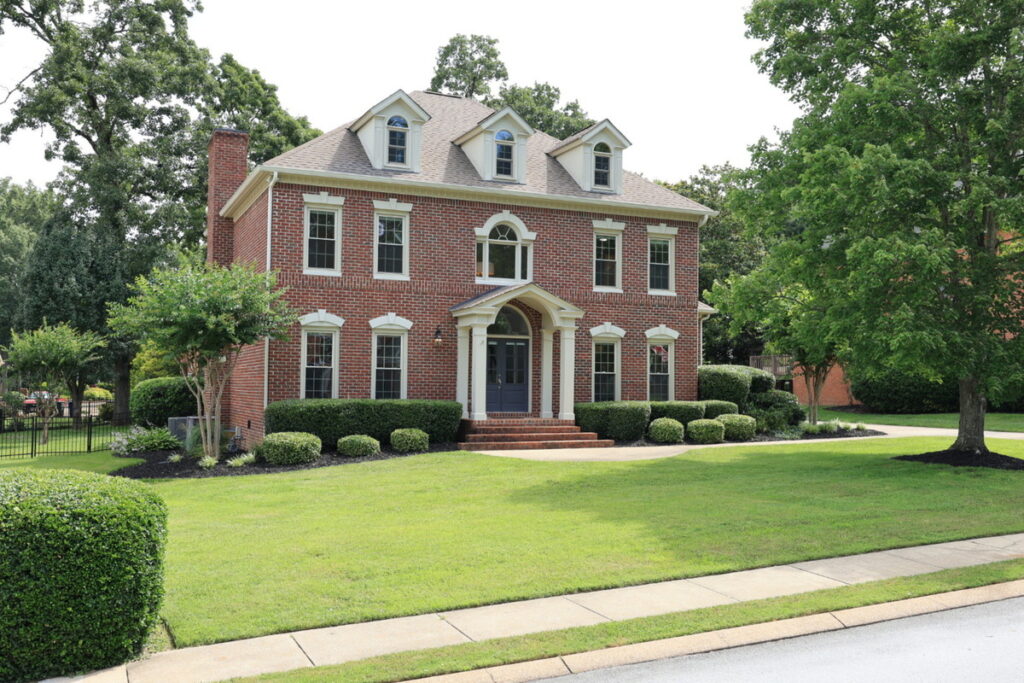
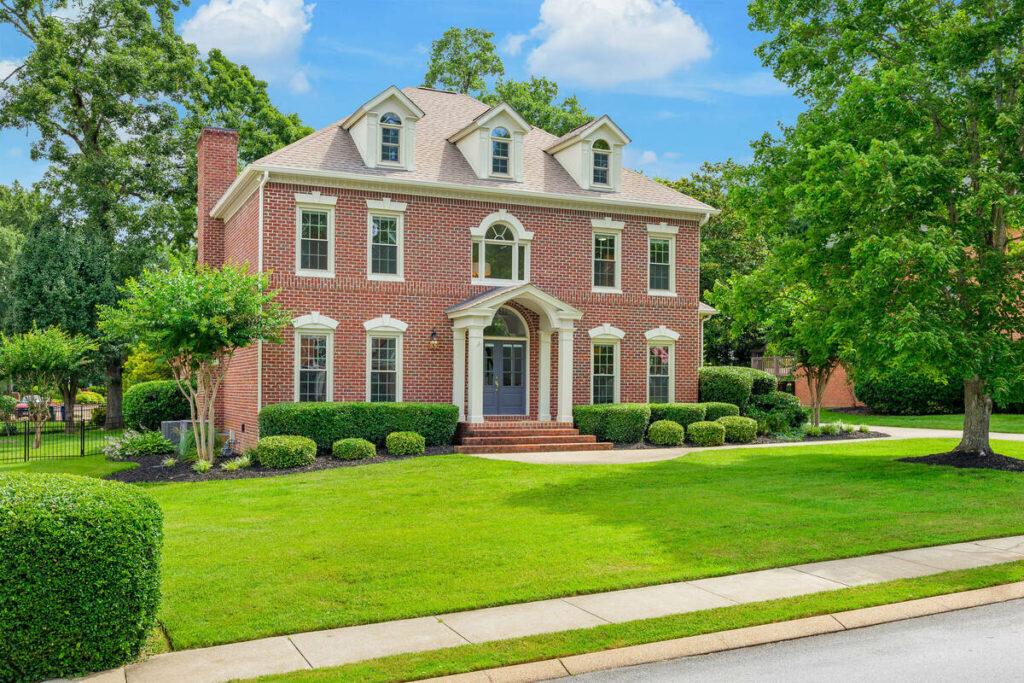
The appeal for working photographers is workflow math. HDR needs no lighting gear, adds seconds per composition instead of minutes, and produces consistent results across an entire shoot. When you’re photographing three or four properties in a day, that consistency is the difference between delivering on time and editing at midnight.
It also degrades gracefully. A slightly imperfect bracket set is usually recoverable in post. A flash shot with a blown ambient layer often isn’t.
That’s the foundation. Now for the scenarios where HDR is the right call.
When Real Estate HDR Photography Is the Right Call
1. Bright interiors where the window view sells the home
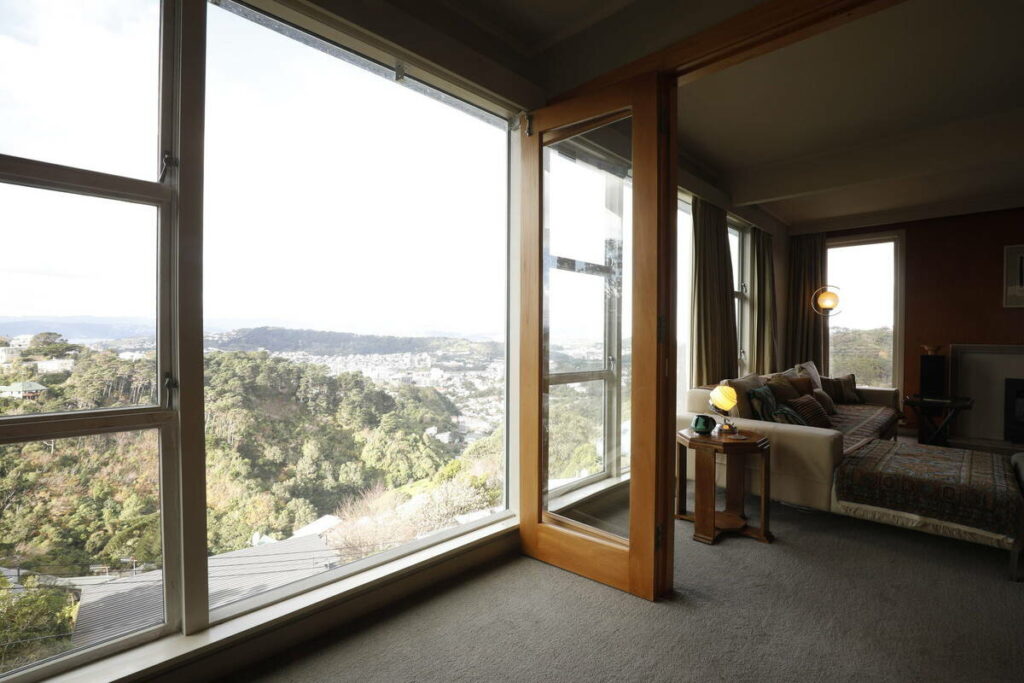
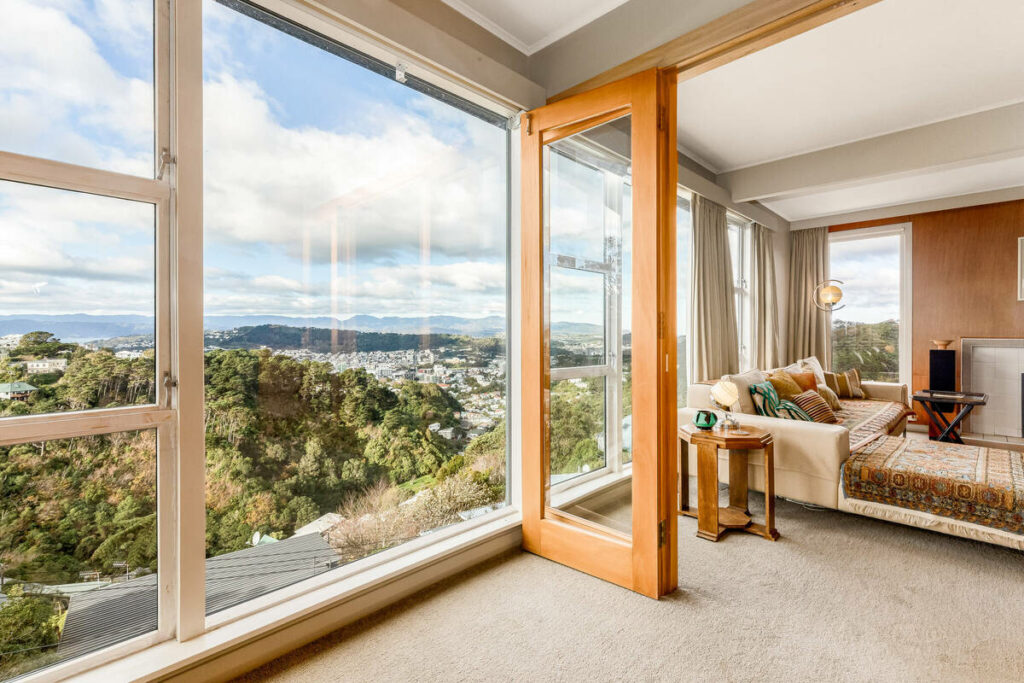
If the listing’s best feature is what’s outside the glass, a lake, a skyline, a wooded backyard, HDR is built for the job. Bracketed exposures preserve the view while keeping the interior naturally exposed, so buyers see the room and the reason to book a showing in the same frame.
The payoff: window pulls that would take careful flash work happen in post instead, and the view stays intact across every angle of the room.
2. High-volume shoot days
HDR shines when the calendar is full. Three to five brackets per composition, tripod, move on. There’s no repositioning lights, no test flashes, no negotiating with reflective surfaces between frames.
Shooters who handle several properties a day lean on HDR precisely because it protects turnaround time without a visible quality tradeoff on standard listings.
3. Naturally lit, clean modern spaces
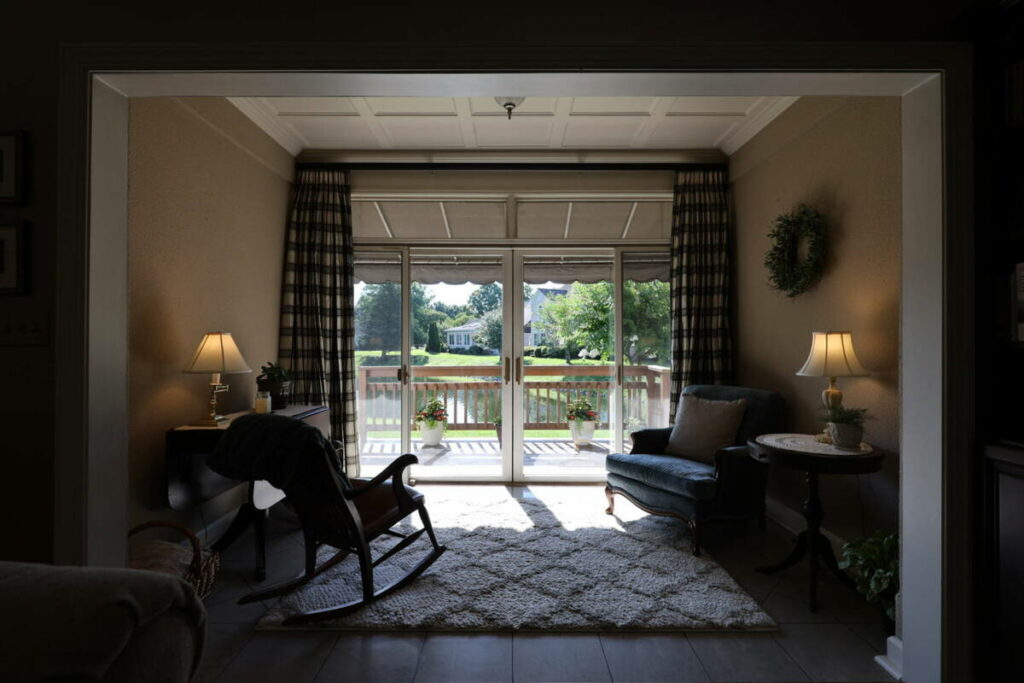
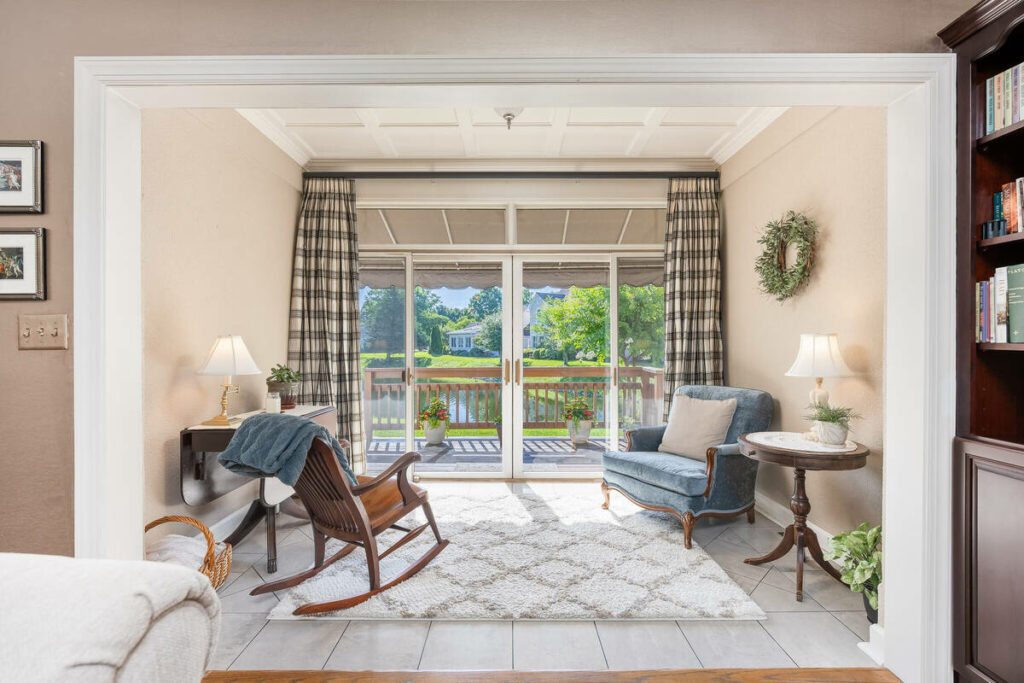
Rooms with ample daylight, neutral palettes, and simple lines are HDR’s home turf. There are no heavy color casts to fight and no dramatic shadows that need shaping, so the blended result looks natural with minimal correction.
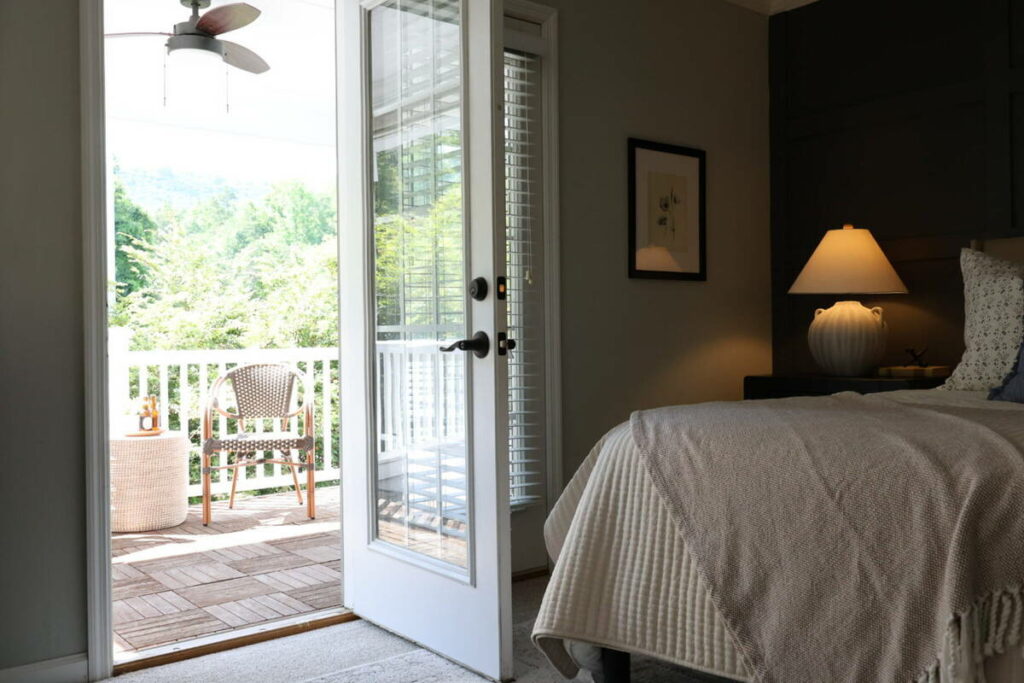
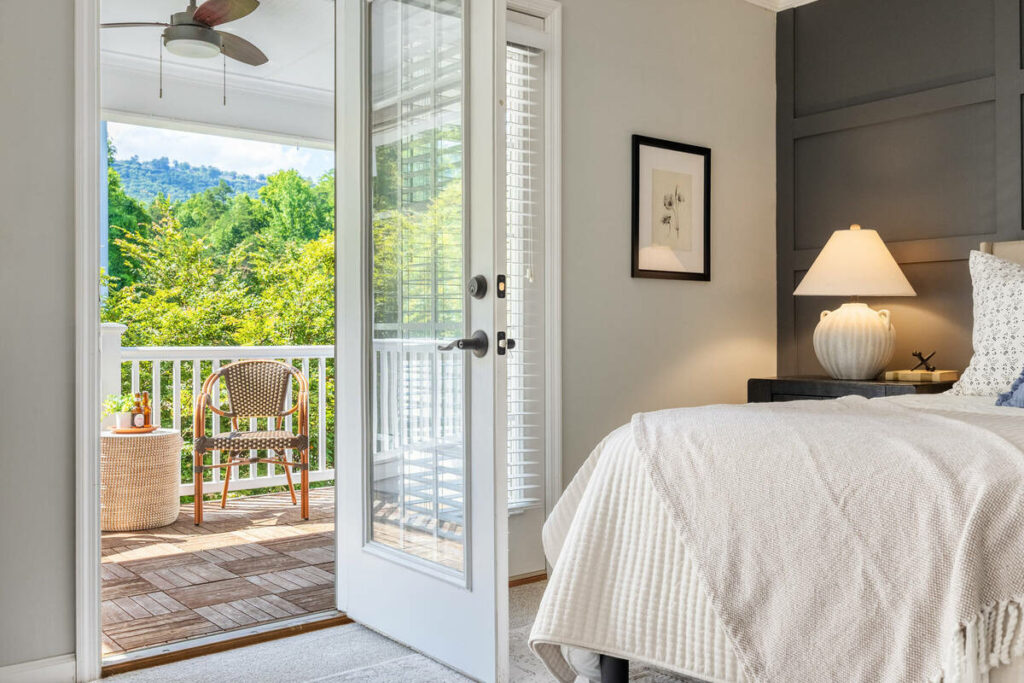
For the bread-and-butter listing, the three-bed suburban home with good light, HDR delivers polished, market-ready images without extra time on site.
4. Exteriors in flat or mixed light
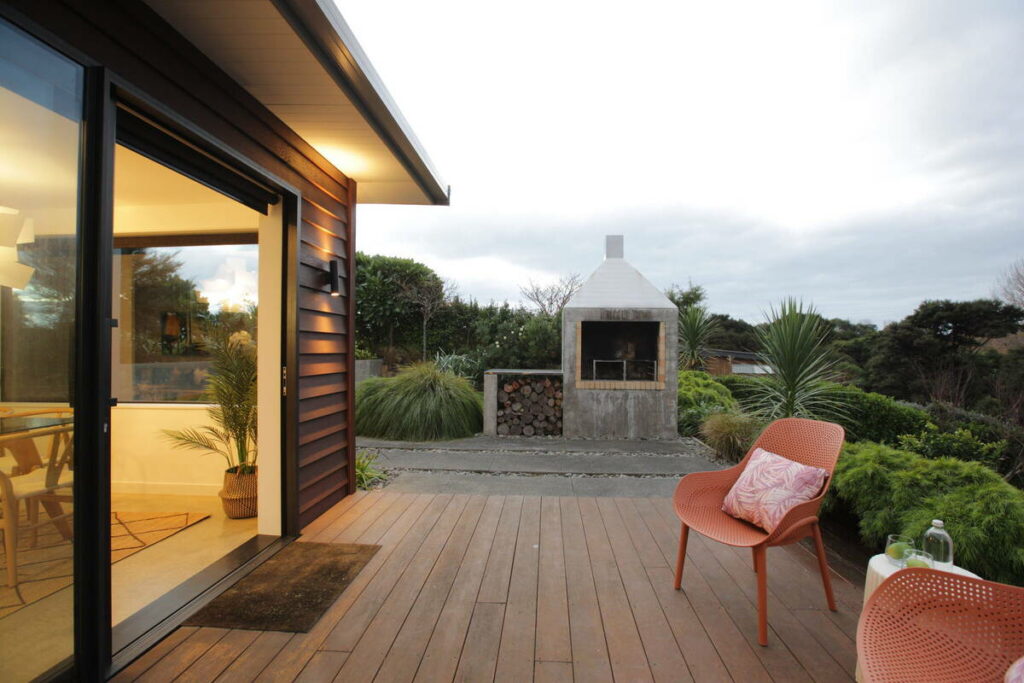
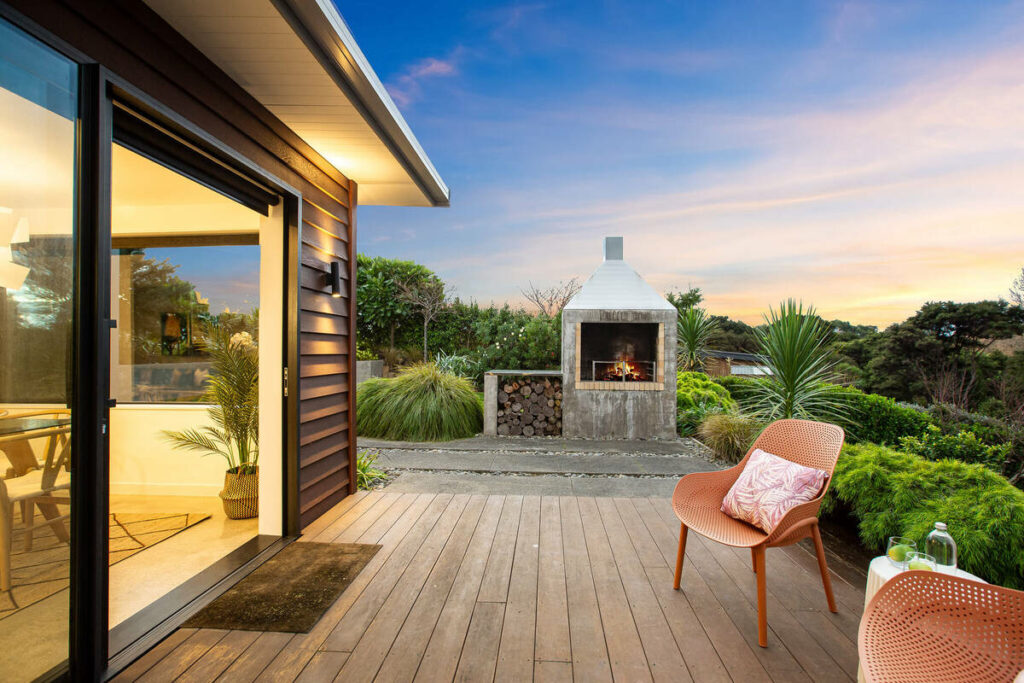
Overcast skies, harsh midday sun, or a front elevation that’s half in shade all flatten or fragment a single exposure. Bracketing recovers cloud detail and shadow-side texture at the same time, giving the editor room to produce an exterior that reads the way the eye sees it.
5. Tight MLS deadlines
When the agent needs photos live by tomorrow morning, HDR keeps every stage fast: capture, culling, and editing. Bracket sets are also the format outsourced editing teams process most efficiently, which matters when the deadline isn’t yours to move.
The common thread across all five scenarios: HDR wins wherever speed, consistency, and natural light intersect. Which raises the honest follow-up question.
Stop Spending Hours on HDR Editing
Get Your Listings Edited Faster
Save time on editing and focus on capturing more listings.

When HDR Isn’t the Best Tool
HDR has real limits, and knowing them is what separates a deliberate choice from a habit.
Dark interiors and heavy color casts. HDR blends the light that’s already in the room, including the orange cast from tungsten bulbs and the green from fluorescents. Flash overpowers ambient light and delivers more accurate color in these conditions. A dim basement rec room is a flash room.
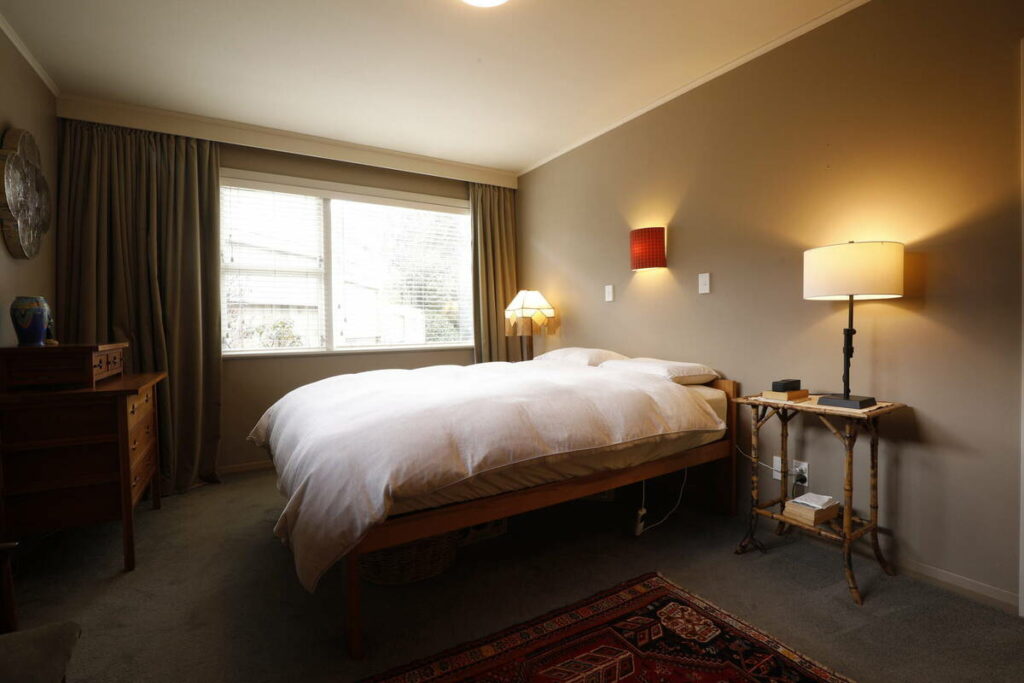
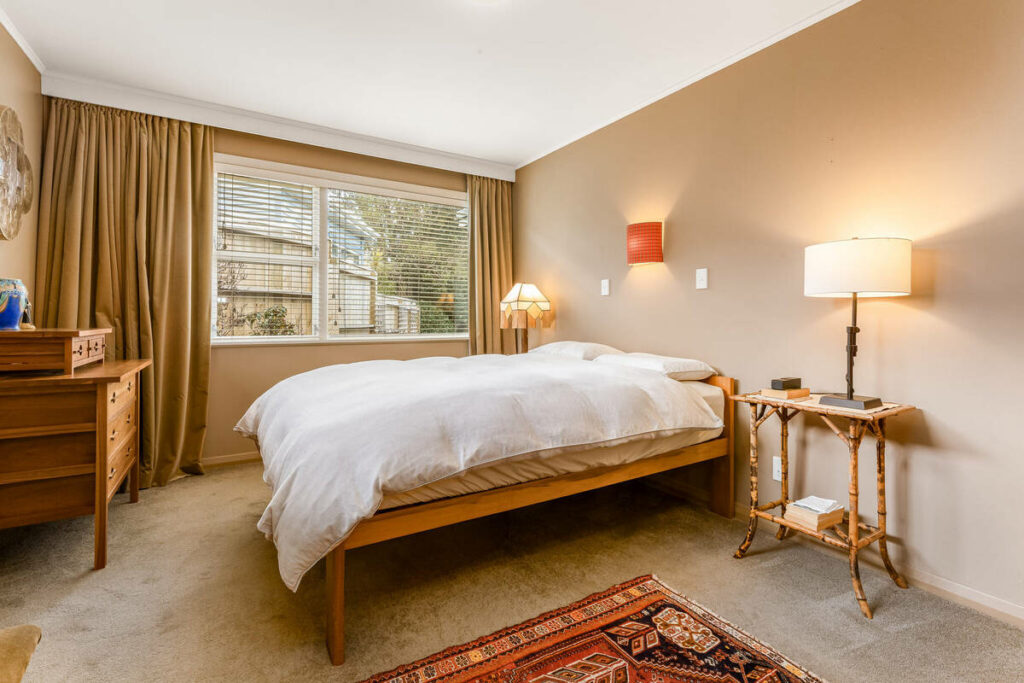
Luxury listings with exacting standards. High-end clients and premium publications expect controlled shadows, precise color, and subtlety that automated blending can’t always hit. Flambient, flash layered with ambient exposures, gives the editor that control frame by frame.
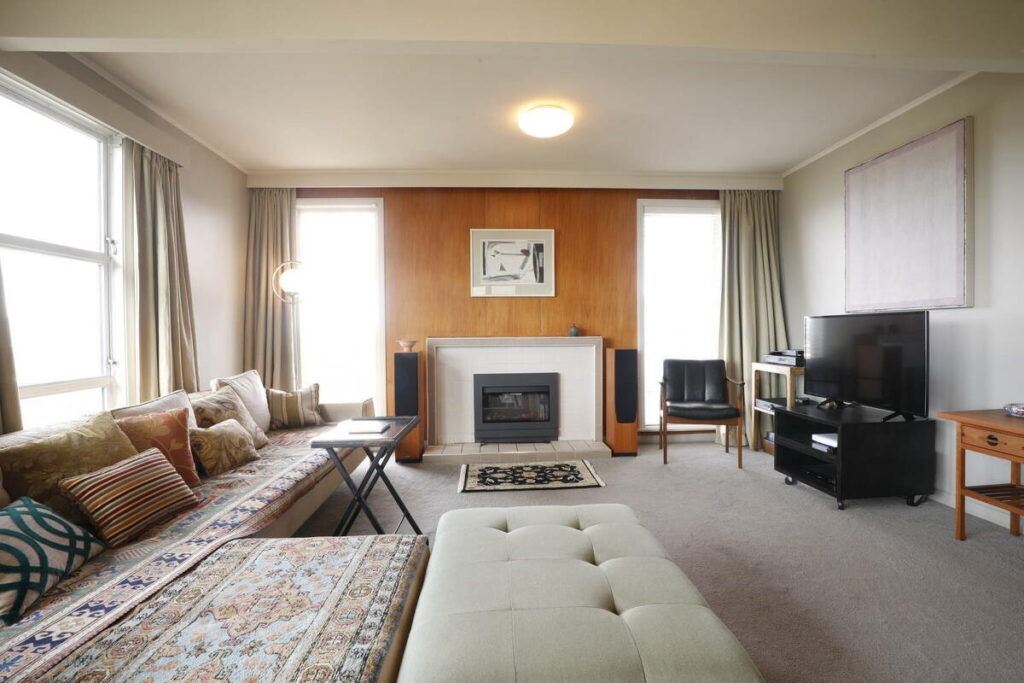
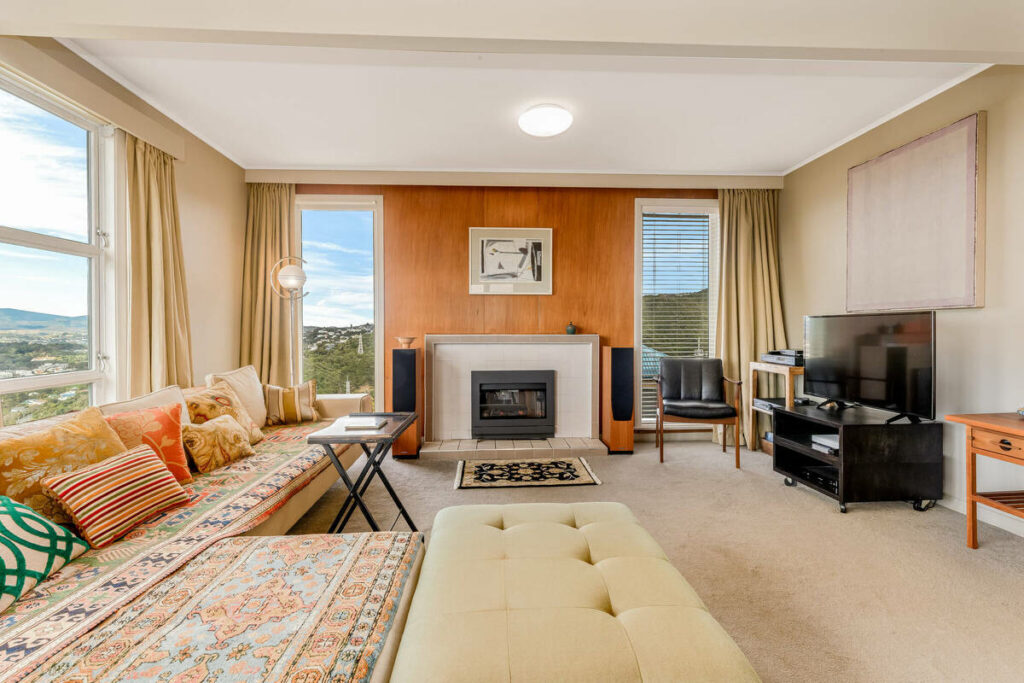
Mixed-light rooms needing local adjustments. A kitchen with daylight from one side and warm pendants over the island will fight any global blend. These rooms need selective, local editing regardless of capture method, and often benefit from a flash layer to anchor the color.
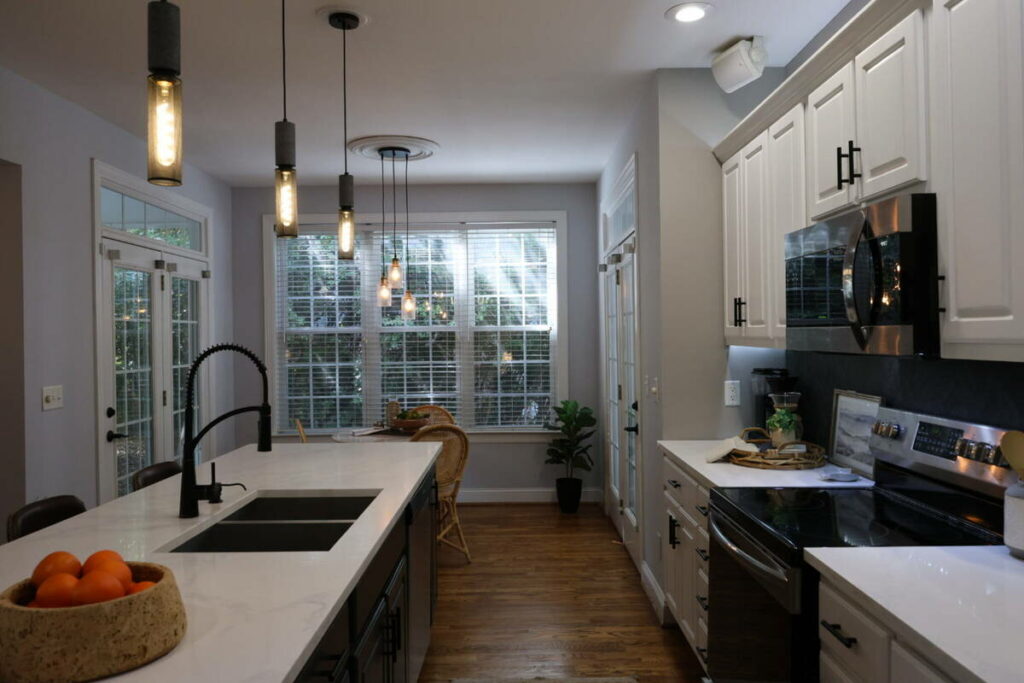
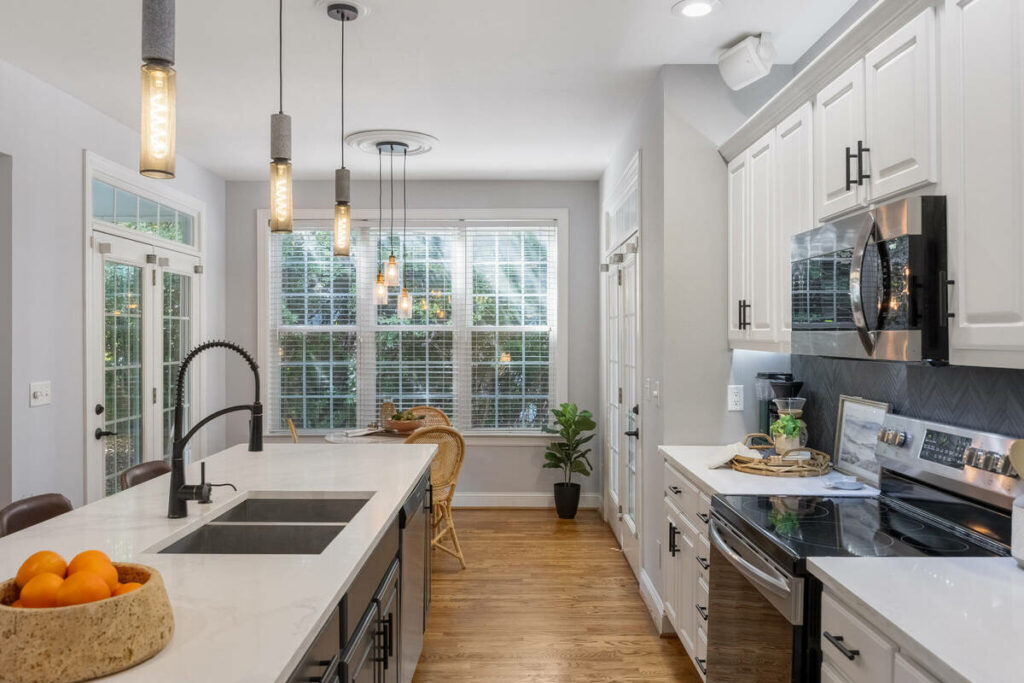
Twilight and day-to-dusk work. True twilight shots and dusk conversions live outside standard HDR territory. They’re composite and retouching jobs where skilled manual editing does the heavy lifting.
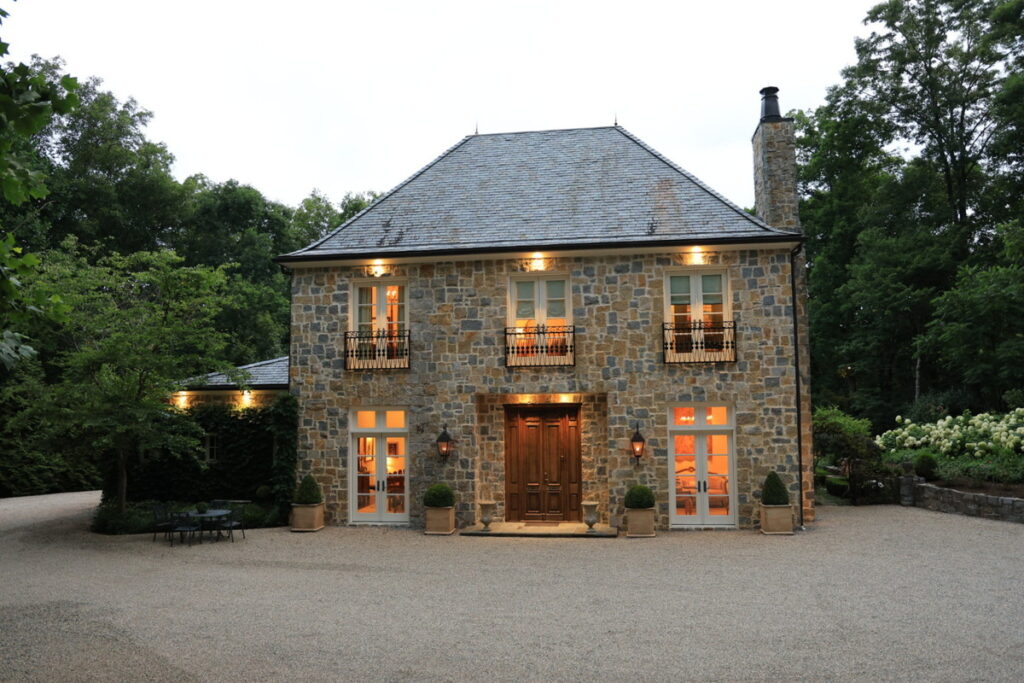
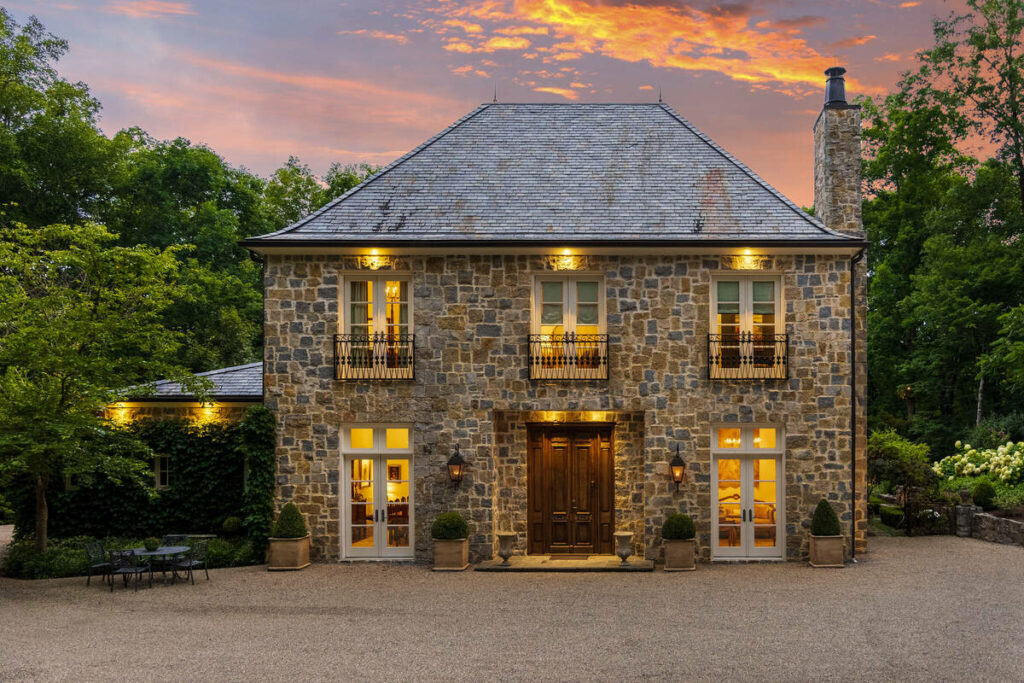
None of this makes HDR the lesser technique. It makes it a tool with a defined job. Many working photographers shoot HDR brackets as the base on every listing and add flash frames only in the rooms that demand them, which keeps speed high and quality where it counts.
Choosing the right capture method is half the equation. The other half is what happens in post.
How to Get Consistent Real Estate HDR Photography Results
A few habits separate natural-looking HDR from the overcooked, halo-heavy look that buyers instinctively distrust:
- Shoot on a tripod so every frame in the bracket aligns perfectly
- Use 3 to 5 exposures at 2 EV spacing to cover the full range without redundant frames
- Expose one frame specifically for the windows on view-critical rooms
- Keep white balance fixed across the bracket set
- Edit for realism, aiming for a room that looks the way it feels in person
The editing stage is where consistency lives or dies. One over-processed image in a 30-photo listing set stands out, and not in a good way. Batch consistency across a full shoot, matched color, matched brightness, matched contrast, is what makes a listing feel professionally produced.
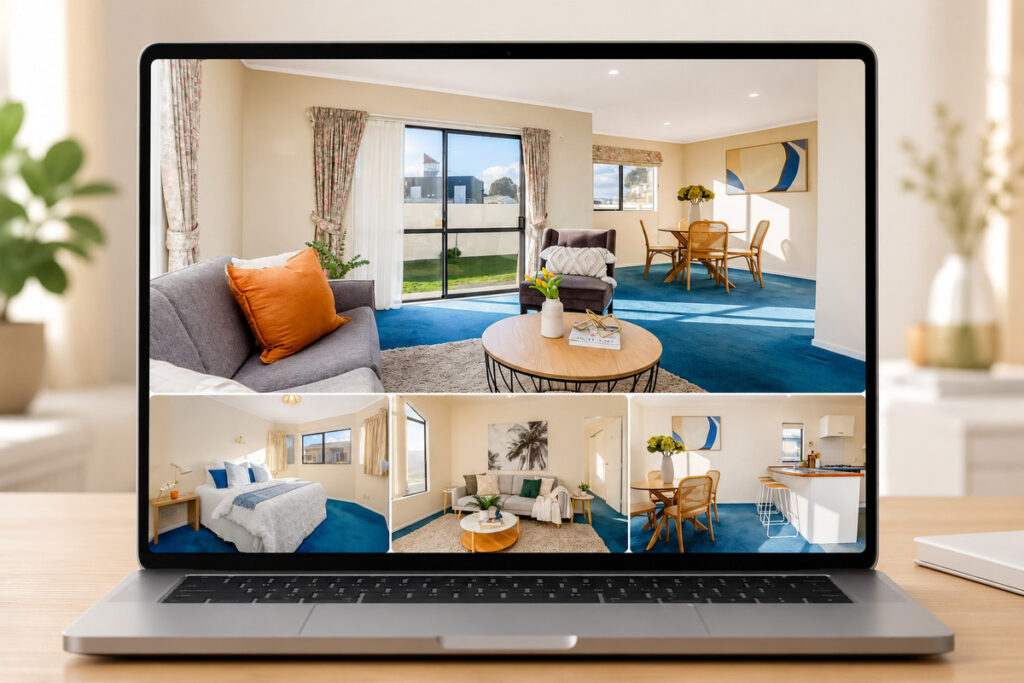
This is also where AI-assisted editing has found its place. AI handles the foundational corrections well: exposure balancing across bracketed sets, white balance on standard daytime interiors, and color consistency across a full shoot.
Human editors catch what it misses, including mixed-light rooms, complex sky replacements, and the client whose standards don’t fit a preset. The workflows that hold up in practice pair the two, with a human review before anything ships.
Browse Top Dedicated
Real Estate Photo Editors
Ready-to-hire editors for real estate photo editing, and more.
The takeaway is simple. HDR earns its place as your default when the light is good and the schedule is tight, and it earns it twice over when the editing behind it is consistent.
Get Polished, Market-Ready HDR Edits with PhotoUp
Shooting the brackets is your craft. Turning hundreds of bracket sets into consistent, natural-looking listing photos every week is ours. That’s where PhotoUp comes in.
Stop Spending Hours on HDR Editing
Get Your Listings Edited Faster
Save time on editing and focus on capturing more listings.
PhotoUp’s professional editors specialize in:
- HDR bracket blending and single-exposure editing
- Window pulls and view preservation
- Color correction and batch consistency
- Sky replacements and object removal
- Day-to-dusk and twilight conversions
PhotoUp combines dedicated editors, AI-assisted workflows with human review, and a 12 to 24-hour turnaround to deliver consistent, high-quality real estate photos. With scalable capacity during busy seasons, it’s easy to keep up with demand without sacrificing quality.
How to get started:
- Sign up for a free PhotoUp account
- Upload your bracket sets from one listing
- Add your style notes and preferences
- Receive your edits within 12 to 24 hours
- Compare the results against your own edits side by side
Try a test order, free. Upload one listing, get your edits back, and see how consistent HDR editing changes your week.
Related Articles:
- How Real Estate HDR Photo Editing Services Elevate Property Listings
- Ready to Scale? Outsource Photo Editing Services for Real Estate Photography
- Can AI Real Estate Photo Editing Services Match the Eye of a Professional Editor?
- How HDR Photo Editing Fixes Dark Interiors Without Losing Window Views
- 7 Editing Details That Separate Amateur and Professional Property Photos