Table of Contents
- What Real Estate HDR Photo Editing Actually Involves
- Why HDR Quality Has a Direct Impact on Listings
- What Real Estate HDR Photo Editing Services Handle
- How the Editing Process Works With a Real Estate HDR Photo Editing Service
- How to Choose the Right Real Estate HDR Photo Editing Service for Your Workflow
- Elevate Your Listings with PhotoUp
HDR editing is one of the most time-consuming steps in real estate post-processing. A single listing shot with three brackets per scene can mean 150 or more RAW files to blend, correct, and color-match — before you’ve even started delivery.
For photographers handling multiple shoots per week, that volume is hard to manage in-house without it cutting into shoot time, turnaround, or quality. That’s the core problem professional real estate HDR photo editing services are built to solve.
This article covers what those services actually deliver, why HDR quality has a real impact on listing performance, and what to look for when choosing a provider.
What Real Estate HDR Photo Editing Actually Involves 📸
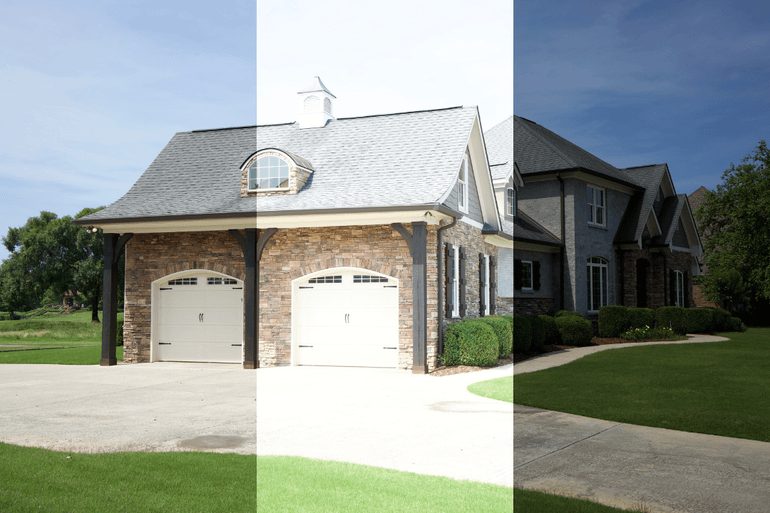
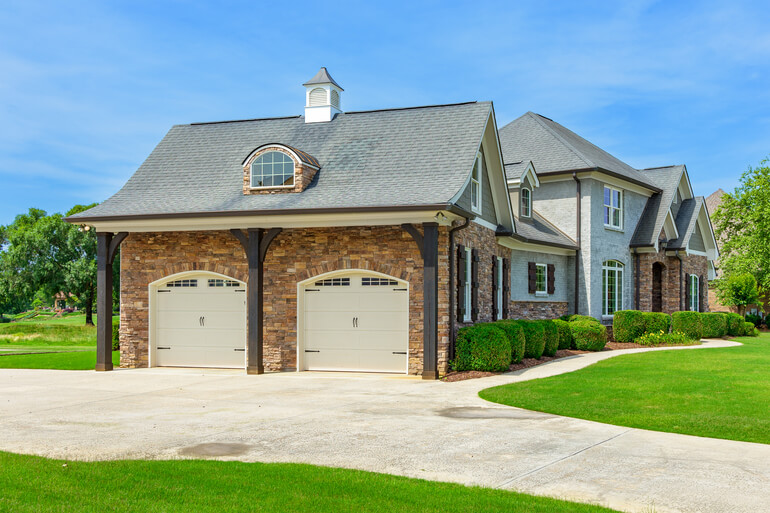
HDR — high dynamic range — blending is the process of combining multiple exposures of the same scene into one balanced image. In real estate photography, this typically means merging three to five brackets: one exposed for the interior ambient light, one for the windows and exterior view, and often additional frames to capture shadow and highlight detail in tricky areas.
The goal isn’t to make an image look processed. Done well, HDR blending produces a result that looks like what the eye actually sees standing in the room — bright walls, detail in the windows, no blown-out highlights.
The practical challenge is that every shoot introduces variables. Mixed lighting from windows, overhead fixtures, and lamps behaves differently in each room. Interior color temperatures shift. Exterior brightness changes with time of day. Getting consistent, natural-looking results across an entire listing set — not just a single hero shot — is where the technical difficulty lies.
Professional real estate photo editing services handle this as a repeatable process. Editors work from defined brightness, contrast, and color targets that match the photographer’s style guide, so the output is consistent from image to image and listing to listing.
Stop Spending Hours on HDR Editing
Get Your Listings Edited Faster
Save time on editing and focus on capturing more listings.

Why HDR Quality Has a Direct Impact on Listings 🏡
Buyers make fast decisions online. Research from the National Association of Realtors consistently shows that over 90% of buyers use the internet as their primary search tool — which means listing photos are the first showing, not the open house.1
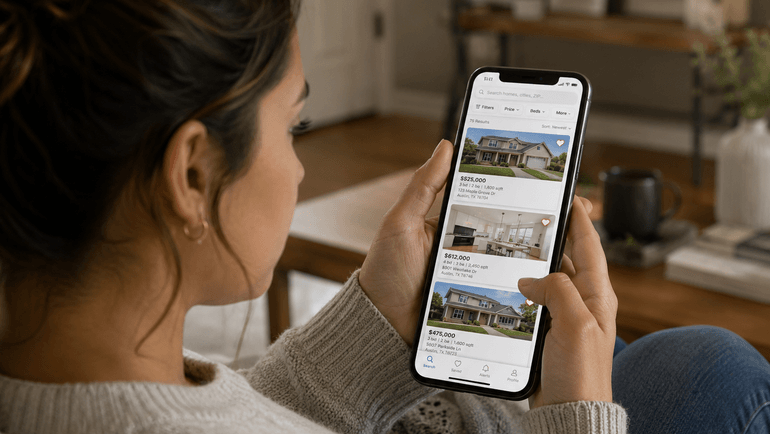
The link between photo quality and listing performance isn’t surprising once you understand how buyers scroll. Poor exposure, dark interiors, or blown-out windows don’t just look unprofessional — they create doubt. A poorly lit room looks smaller. A blown-out window obscures a feature the agent is trying to sell. HDR editing closes that gap between how a property looks in person and how it reads in a compressed JPEG on a phone screen.
For real estate photographers, this is the core business case for consistent HDR processing. Agents who see a measurable difference in listing engagement are agents who rebook. And consistent rebooking at volume requires a consistent editing process — which is difficult to maintain when editing is happening in-house at the end of every shoot week.
What Real Estate HDR Photo Editing Services Handle — and Where Human Judgment Still Matters 💡
A good real estate HDR photo editing service handles the full processing workflow, but it’s worth being specific about what that includes and where the limits are.
Where a professional editing service delivers reliably:
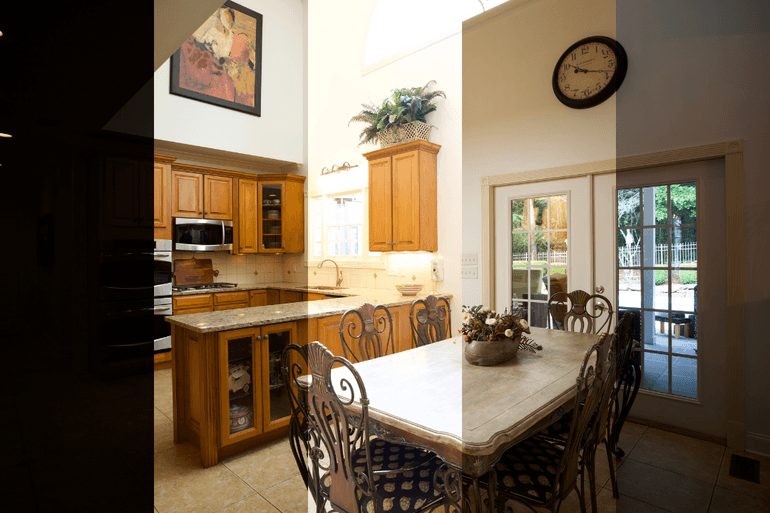
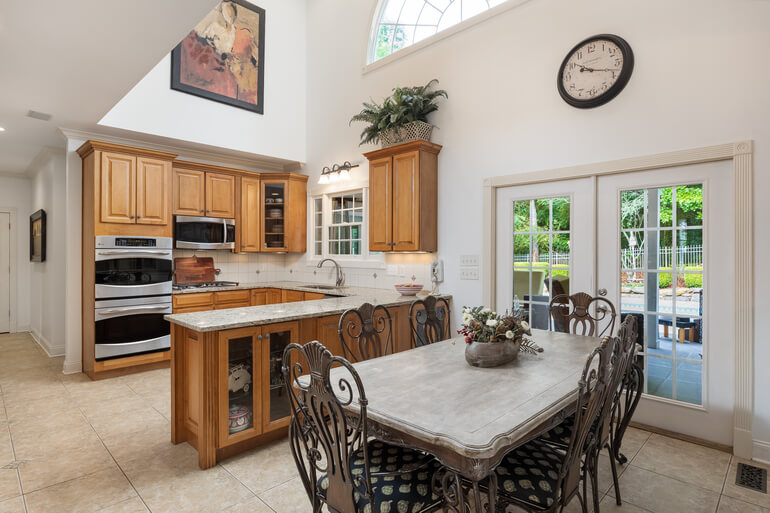
- Exposure blending across bracketed sets, including window pulls
- White balance correction and color consistency across all images in a set
- Perspective and lens distortion correction
- Basic object removal — clutter, small reflections, minor distractions
- Brightness, contrast, and saturation adjustments to match a defined style guide 2
- Batch consistency across 30–80 images from the same shoot
Where human editorial judgment is still required:
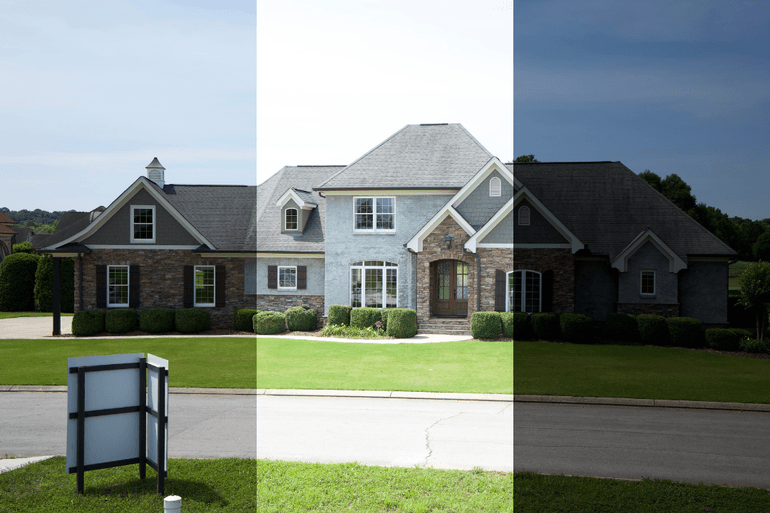
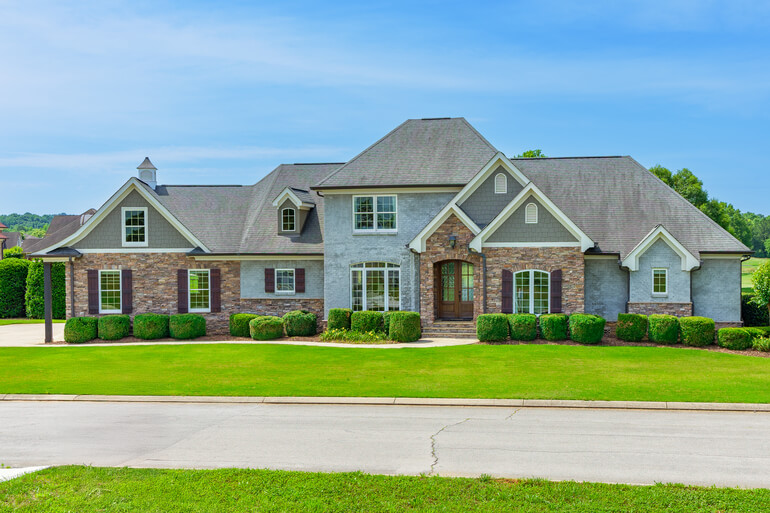
- Sky replacement on shots with complex tree lines or tight architectural edges
- Twilight and day-to-dusk conversions
- Luxury listings where client expectations are specific and non-standard
- Mixed-light interiors requiring localized adjustments that differ room to room
- Any shoot where a recurring client has established a defined style that AI alone won’t replicate
Many services now use AI-assisted processing for the foundational corrections — exposure, color, lens correction — and route the more complex edits to human editors. That hybrid model is where the consistency-plus-quality balance tends to land for high-volume photographers.
The right framing is this: AI handles the 80% that’s predictable and repeatable. A human editor catches the 20% that requires context, judgment, or a client-specific standard.
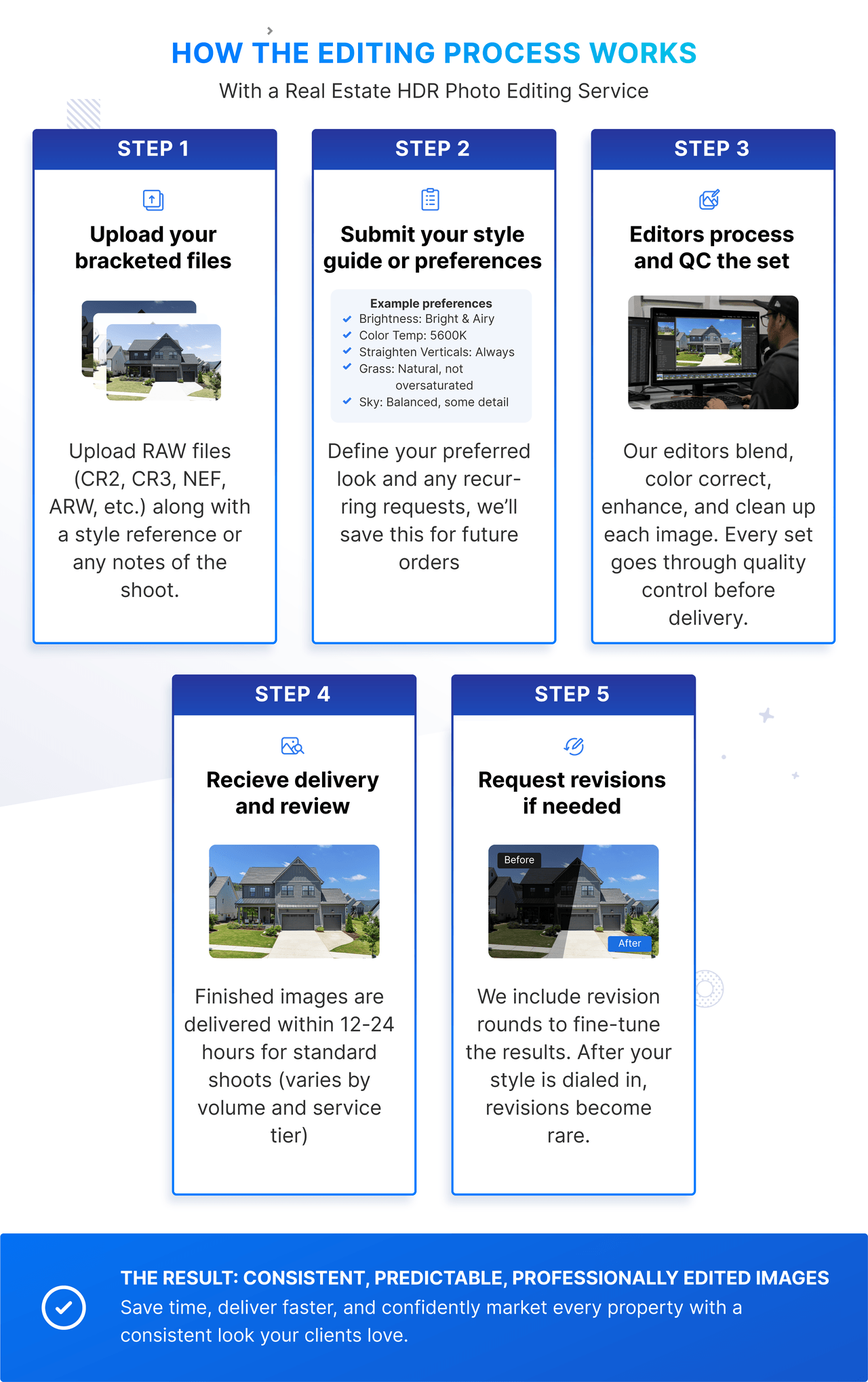
The workflow varies by provider, but most professional real estate photo editing services follow a similar intake-to-delivery process.
The practical benefit of this process — beyond the time savings — is predictability. You know what you’re getting before the images land in your inbox, because the style target doesn’t change.
Stop Spending Hours on HDR Editing
Get Your Listings Edited Faster
Save time on editing and focus on capturing more listings.
How to Choose the Right Real Estate HDR Photo Editing Service for Your Workflow 🏠
Not all real estate HDR photo editing services are built the same way. For photographers evaluating options, a few factors make a meaningful difference in day-to-day experience.
Turnaround time that fits your schedule. Most photographers need edited images delivered within 24 hours for standard shoots — sometimes faster for same-day MLS deadlines. Confirm the realistic turnaround before committing to a service, and ask what happens during peak seasons when order volume spikes.
Consistent output, not just occasional quality. The more useful question isn’t “can they produce one great image?” — it’s “will the 45th image in a set look as good as the first?” Ask about their QC process and how they maintain consistency across editors.
Browse Top Dedicated
Real Estate Photo Editors
Ready-to-hire editors for real estate photo editing, and more.
A style calibration process. Services that invest in learning your style preferences upfront will save you more time than services that offer generic presets. Look for a provider that treats your style guide as a standing reference rather than something you re-explain on every order.
AI-assisted processing with human review. For high-volume photographers, AI-accelerated processing is now the norm — and for good reason. It dramatically shortens turnaround time on standard shots. What matters is that human editors are still in the loop for the images that need judgment calls.
Transparent pricing at volume. Per-image pricing is easy to evaluate at low volume, but it’s worth understanding what the rate looks like at 200–500 images per week. Services that offer volume pricing or subscription tiers tend to make more sense for photographers operating at scale.
Elevate Your Listings with PhotoUp 📸
PhotoUp is a professional real estate photo editing service built for photographers who need fast, consistent, high-quality output — without spending their nights behind a monitor.
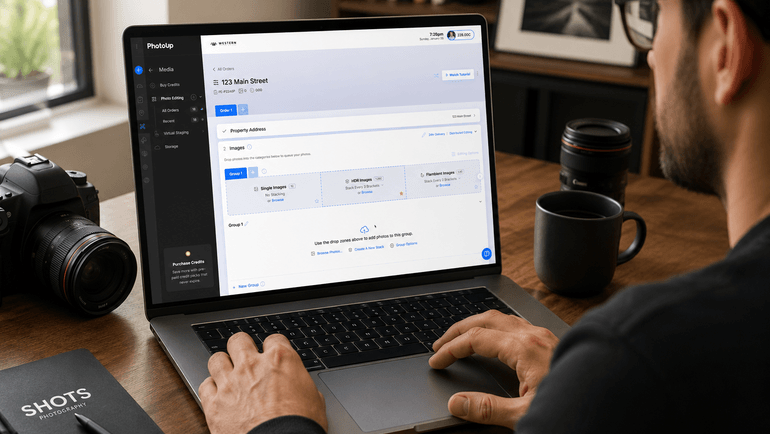
PhotoUp’s editing services include:
- HDR blending and exposure correction
- White balance and color correction
- Sky replacement
- Object and clutter removal
- Perspective and lens distortion correction
- Day-to-dusk conversion
- Virtual staging
- Property websites and virtual tours
Why photographers choose PhotoUp:
- Consistent turnaround — standard edits delivered in 12–24 hours
- Dedicated editor teams that learn your style and maintain it across every order
- AI-assisted processing with human review built into the workflow
- Scalable pricing that works for solo photographers and high-volume studios alike
- Free trial order so you can evaluate the output on your own images before committing
How to get started:
- Create a free PhotoUp account
- Upload your bracketed RAW files
- Submit your style preferences or reference images
- Receive your edited images within 12–24 hours
- Review, request any revisions, and deliver to your client
Upload one listing, get edits back in 12 hours, and compare the output against your current workflow side by side.
Related Articles:
- What Is Real Estate Photo Editing and Why Does It Matter?
- Real Estate Photo Editing Pricing: What to Expect in 2025
- How to Combine AI and Manual Real Estate Photo Editing
- Best Real Estate Photo Editing Software for Photographers
- How Long Does Real Estate Photo Editing Take?
References: