Table of Contents
- What DIY Real Estate Photo Editing Actually Involves
- Why Editing Quality and Consistency Affects More Than the Photos Themselves
- What Outsourcing Real Estate Photo Editing Actually Looks Like
- Real Estate Photo Editing vs DIY: Side-by-Side
- Get Consistent Editing Without the Learning Curve
Editing is the part of the job that doesn’t end when the shoot does. A gallery that takes two hours to shoot can take twice that to edit, and that time comes straight out of whatever’s next on the calendar.
It still feels like the free option. It isn’t.
Here’s a real estate photo editing vs DIY breakdown that accounts for what editing your own listings actually costs, not just what it doesn’t.
What DIY Real Estate Photo Editing Actually Involves
DIY real estate photo editing isn’t one task. It’s culling the raw files down to the best angles, blending bracketed exposures into a clean HDR image, correcting verticals and lens distortion, matching color and white balance across every room, and occasionally replacing a flat sky or handling a basic object removal.
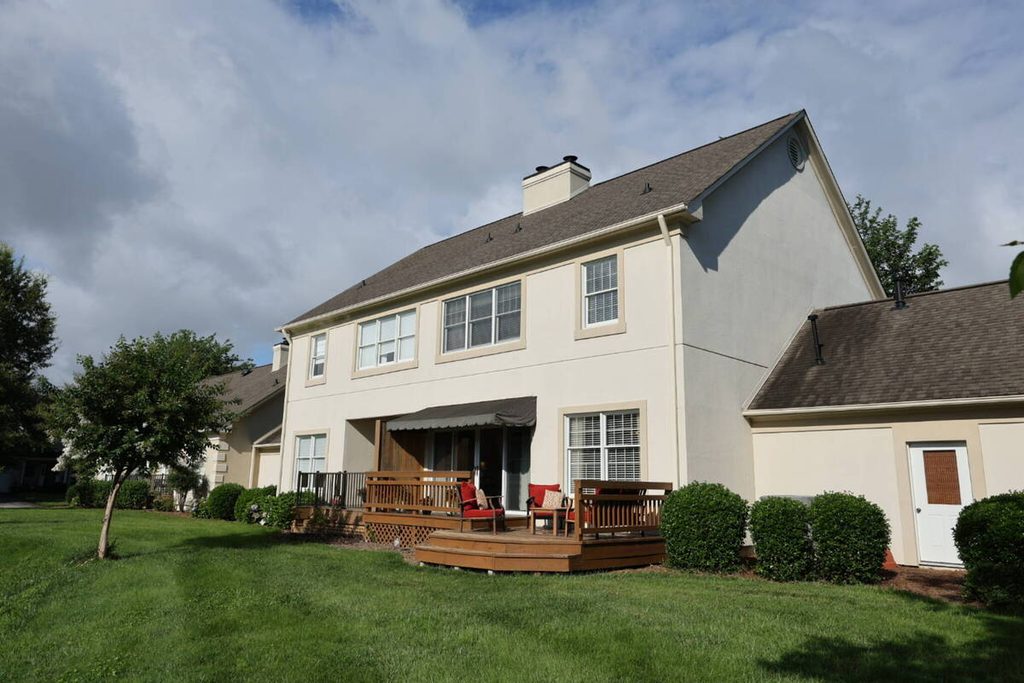
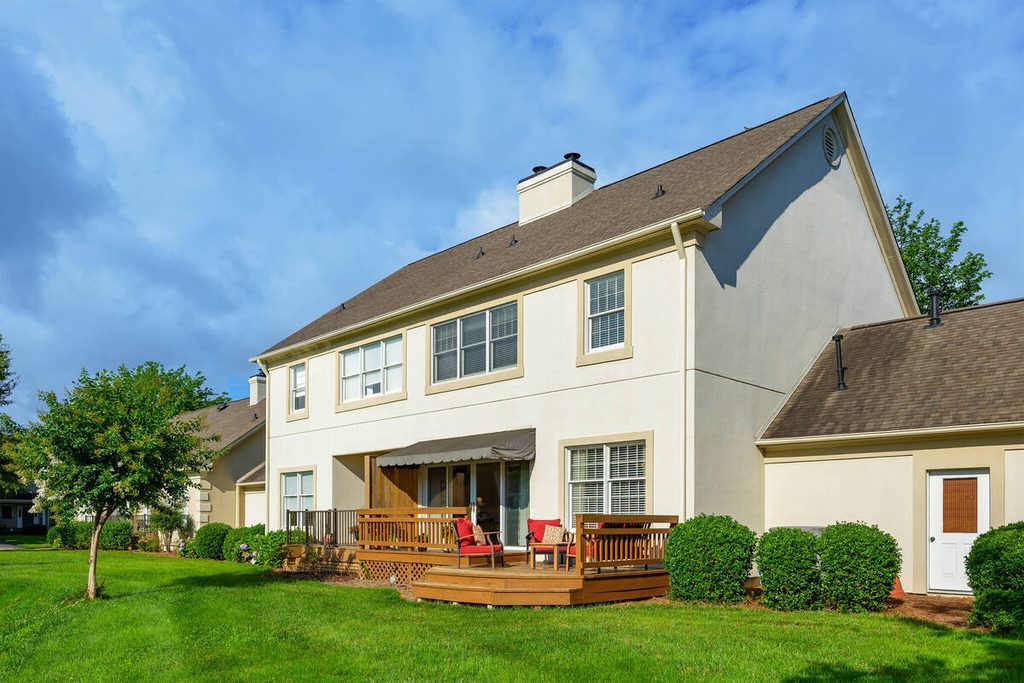
Doing that once, for one listing, is manageable. Doing it consistently, for every listing, every week, at a quality level that looks the same across a 30-image gallery, is a different skill entirely. That consistency is the part that tends to slip first when editing gets squeezed into whatever time is left after shoots.
The True Cost of Editing Your Own Listings
DIY editing isn’t free. It has three real costs, and only one of them shows up on a credit card statement.
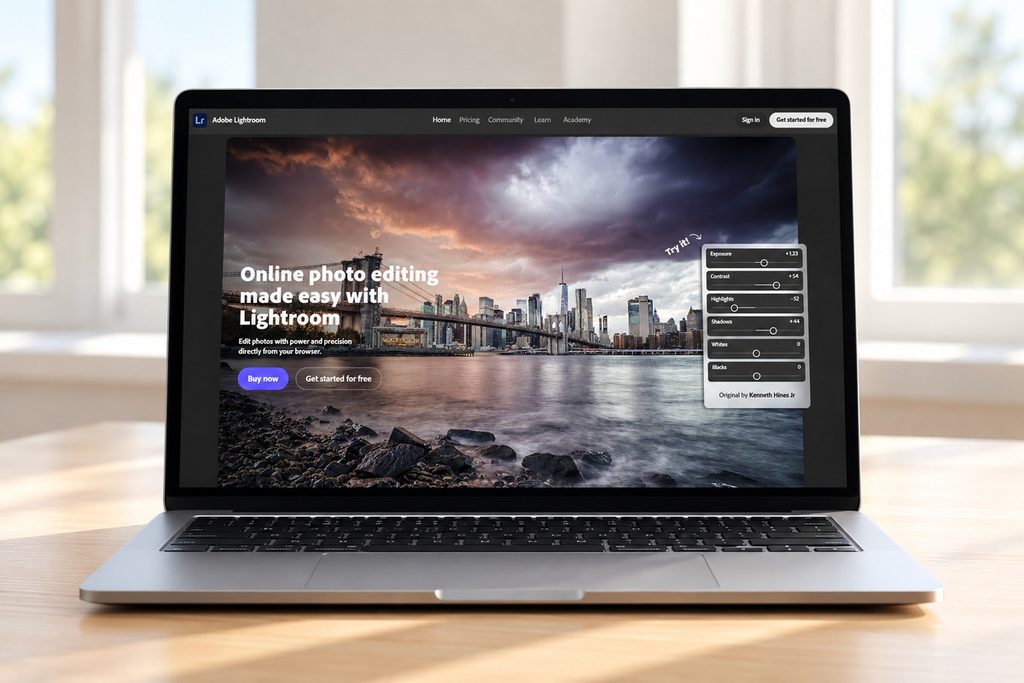
Software: A Lightroom and Photoshop bundle, the standard toolkit for real estate editing, runs $19.99 a month with an annual plan, or $239.88 a year. That’s before factoring in presets, plugins, or a faster computer to handle batch exports without choking.
Time: The time cost of editing your own photos adds up quickly. Every hour spent editing is an hour not spent shooting, booking the next job, or following up with an agent. For a photographer who’s also running the business, editing competes directly with the work that brings in new listings.
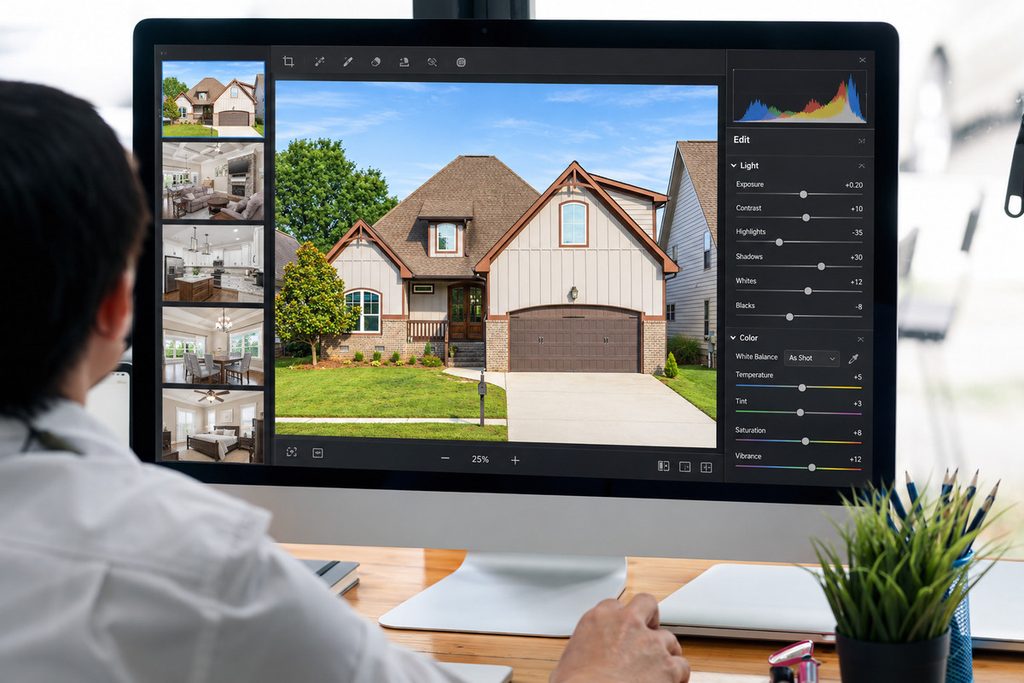
The learning curve: Getting one photo to look good is a skill most photographers already have. Getting 30 photos from the same shoot to look consistently good, in a format agents expect, on a deadline, is the part that takes real practice to get fast at.
None of that makes DIY editing a bad choice on its own. It makes it a choice with real costs attached, the same as any other business decision.
Why Editing Quality and Consistency Affects More Than the Photos Themselves
The quality of a gallery doesn’t stay contained to the gallery. It shows up in how the listing performs.
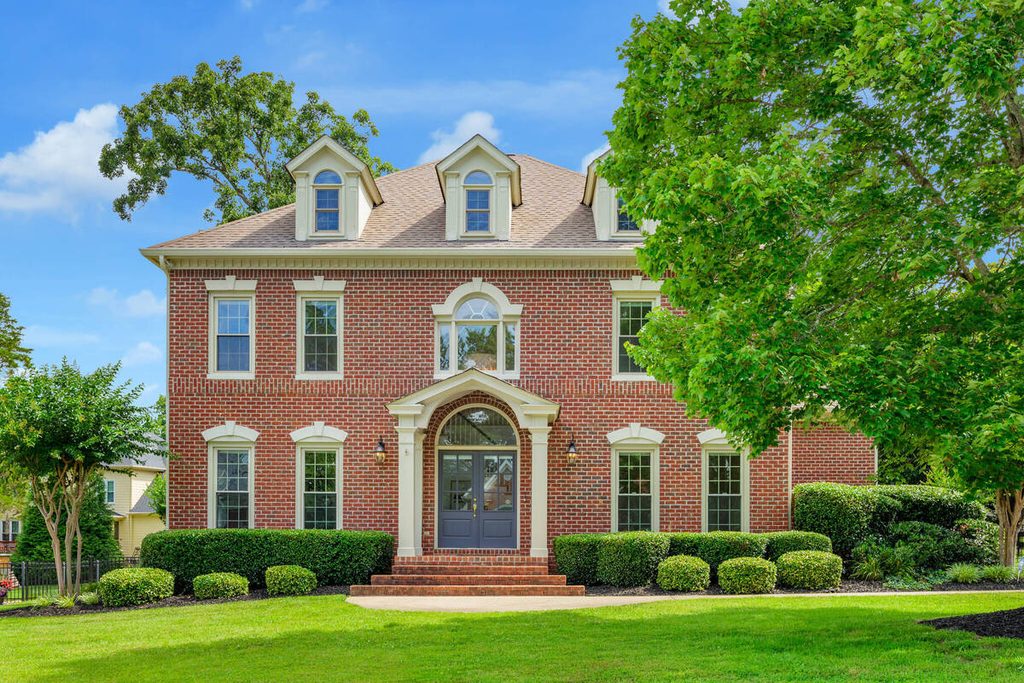
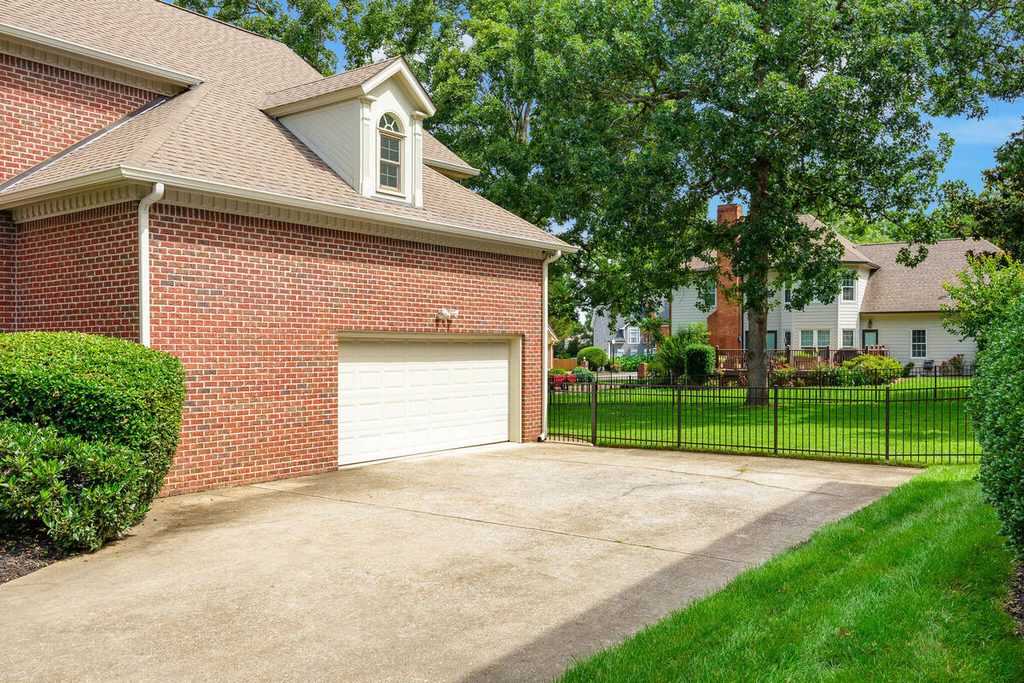
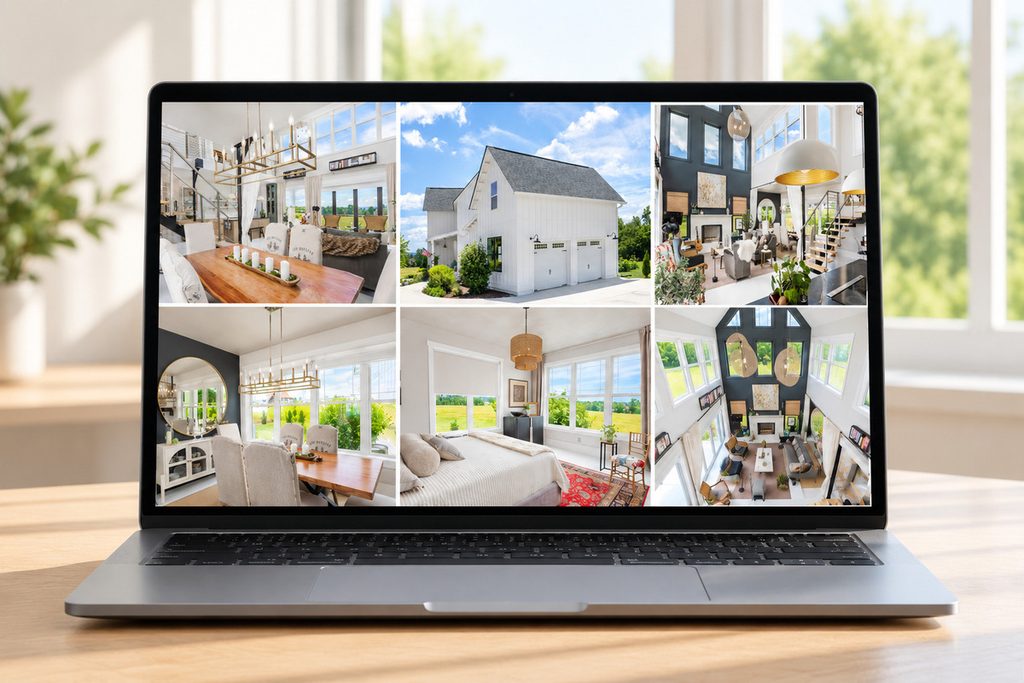
85% of homebuyers say photos are the most critical factor when evaluating a property online, and listings with high-quality images get 118% more views than ones with lower-quality photos. Listing photography isn’t a formality buyers scroll past. It’s the first filter a listing has to pass.
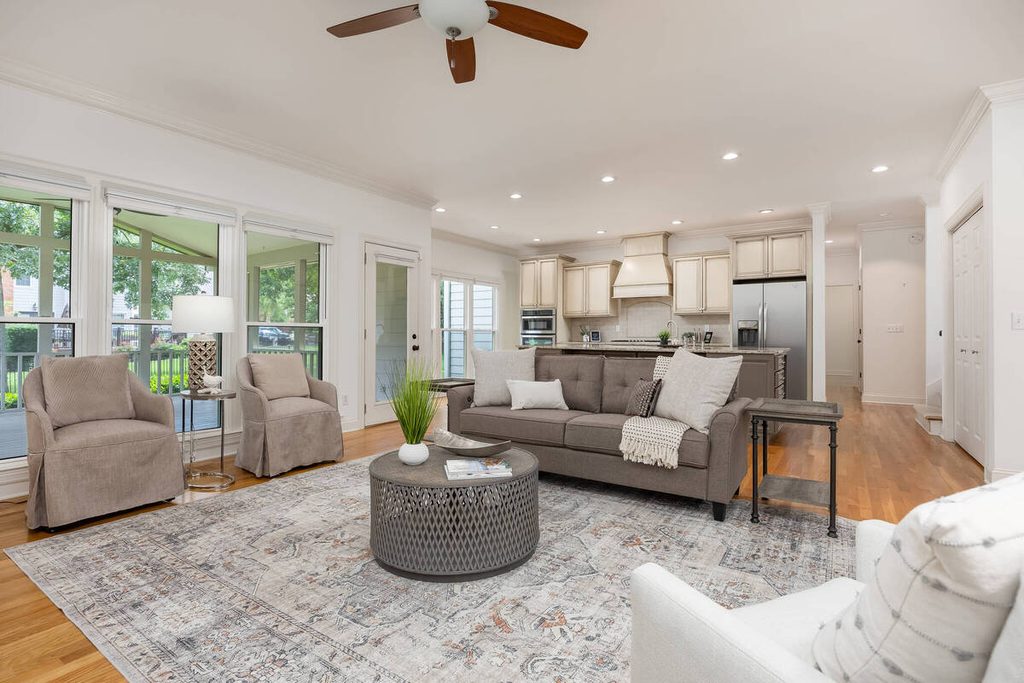
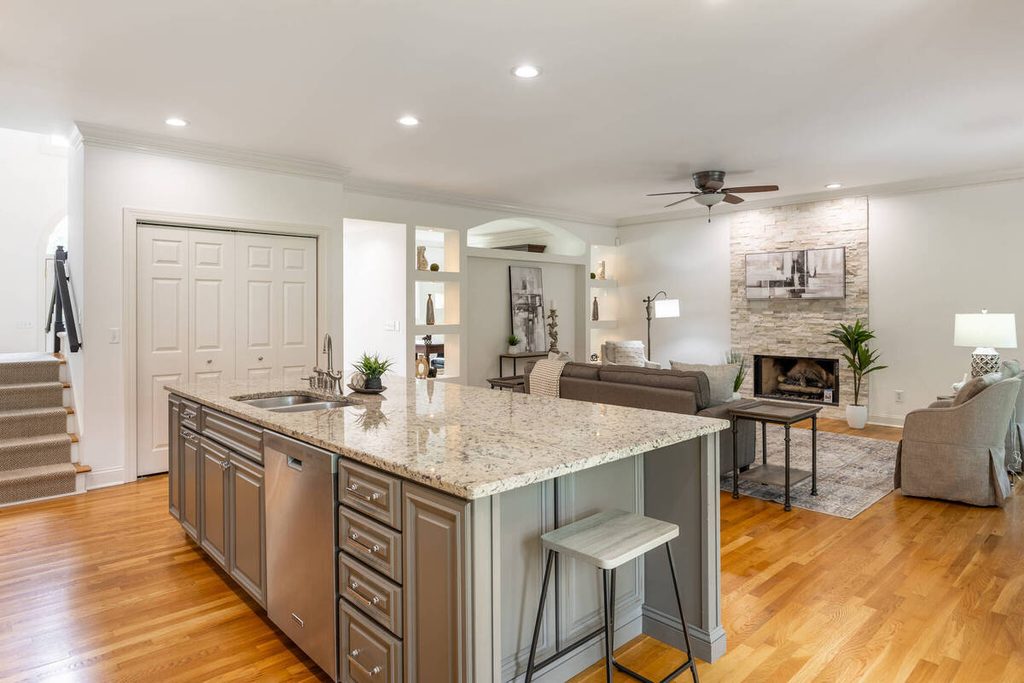
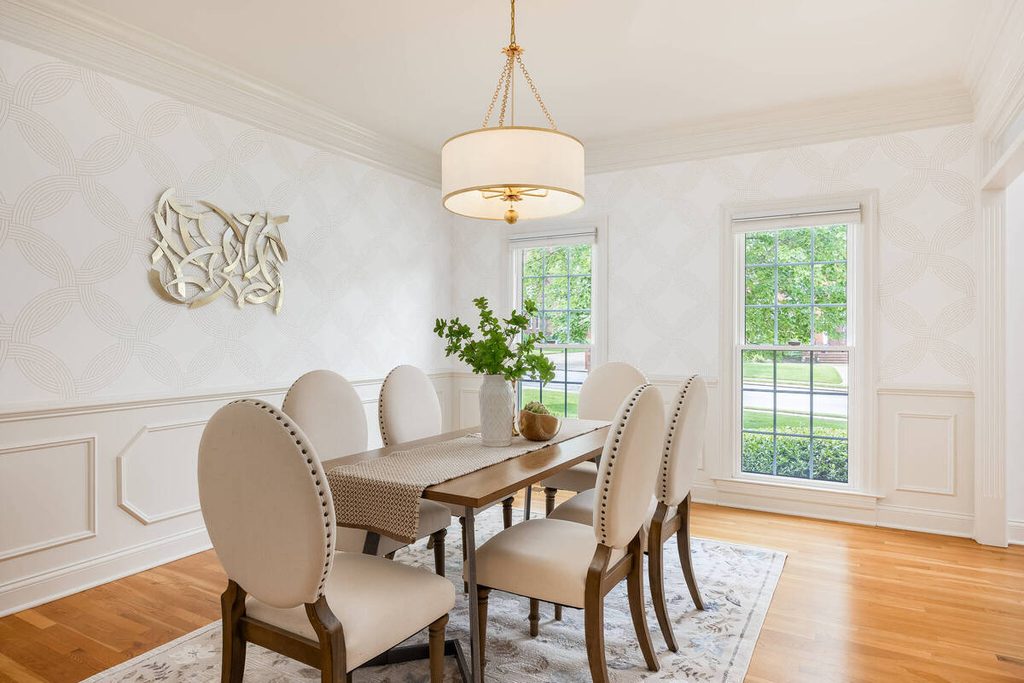
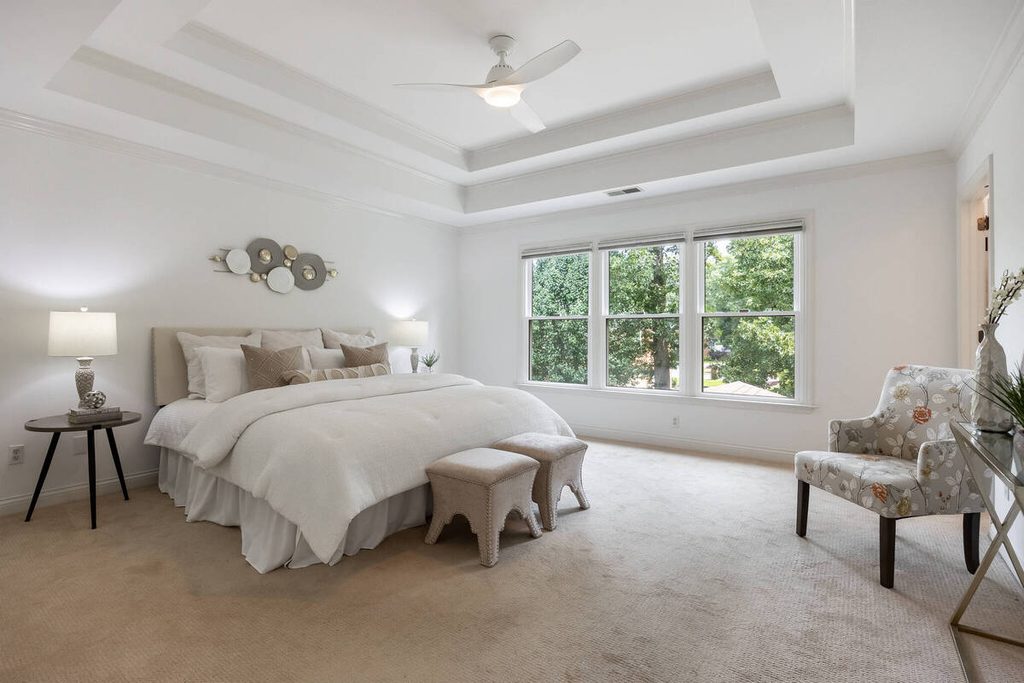
That performance gap is measurable beyond views, too. Homes with professional photography spend 89 days on market compared to 123 days for homes without it, and sell roughly 32% faster. A gallery that’s well shot but unevenly or amateurishly edited undercuts the same investment a photographer already made showing up and shooting it right.
Focus on Photography
We'll Handle the Rest
Save time with a dedicated PhotoUp Coordinator.

What Outsourcing Real Estate Photo Editing Actually Looks Like
Outsourcing doesn’t mean losing control of how a gallery looks. It means handing the execution to a process built specifically to hold a consistent standard, batch after batch.
A dedicated Production Coordinator implements an AI-plus-human editing workflow: AI handles repeatable corrections, exposure blending, white balance, and batch color consistency across every image in a gallery. A trained person then reviews the batch before it ships, catching anything that needs a judgment call, like a tricky sky replacement or mixed-light interior.
Browse Top Dedicated
Real Estate Photo Editors
Ready-to-hire editors for real estate photo editing, and more.
The photographer sets the standard once. The Coordinator holds it on every gallery after that, without the photographer re-learning software or re-doing the same corrections shoot after shoot.
Pricing runs per image or per gallery instead of a flat software subscription, so the cost scales with how much is actually shot in a given week rather than staying fixed whether volume is high or low.
Real Estate Photo Editing vs DIY: Side-by-Side
| DIY Editing | Outsourced Editing | |
|---|---|---|
| Cost structure | Fixed monthly software cost, regardless of volume | Scales with volume, per image or per gallery |
| Time investment | Hours per gallery, competing with shooting and booking | Minimal; review and approve, don’t execute |
| Learning curve | Real, especially for consistency at volume | None; a Coordinator already holds the standard |
| Consistency control | Depends on the photographer’s time and attention each week | Built into the workflow, checked before delivery |
| Scalability in busy season | Breaks down fastest exactly when volume is highest | Flexes with bookings; no new hire or new skill required |
| Best fit | Very low volume, or editing as a deliberate creative choice | Growing or steady volume, where consistency and time matter most |
When DIY Editing Still Makes Sense
Outsourcing isn’t the right call for everyone. A photographer shooting a handful of listings a month, with time to spare and no backlog building up, may prefer keeping editing in-house. Some photographers also treat editing as part of their creative signature, the specific color grade or style that makes their galleries recognizable, and want to keep that hands-on.
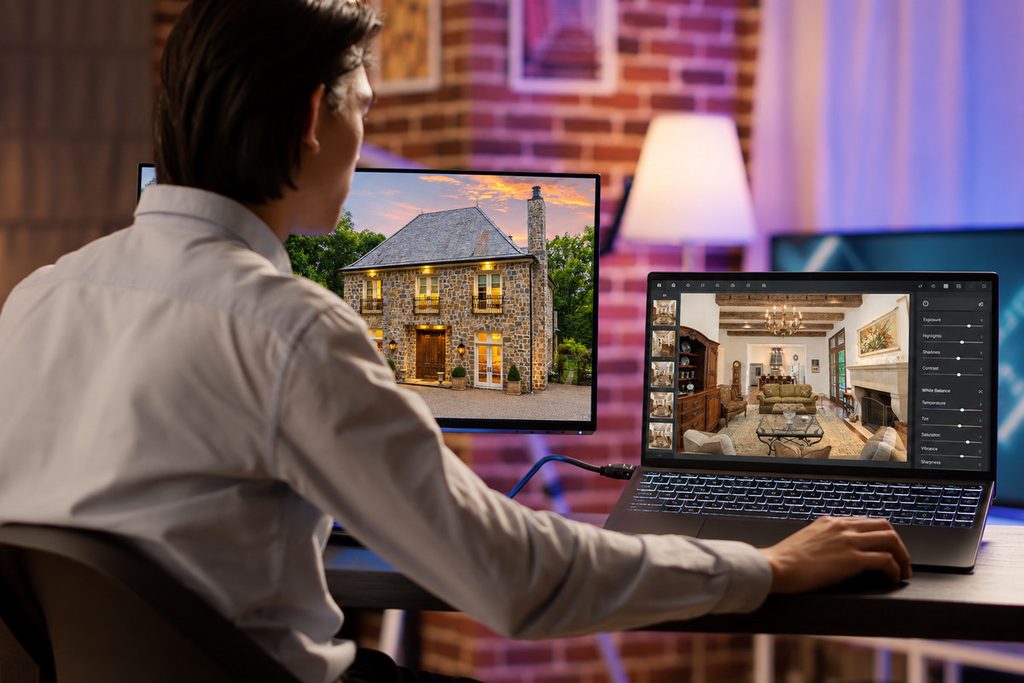
The outsource vs DIY photo editing calculation changes once volume climbs past what can comfortably be edited alongside everything else a photography business requires. That’s usually the point where the real estate photo editing vs DIY question stops being about preference and starts being about capacity.
Get Consistent Editing Without the Learning Curve
If editing has become the part of the week that eats into shooting, booking, or sleep, a PhotoUp Coordinator takes it off your plate entirely. A Coordinator owns:
| The AI-plus-human editing workflow, applied consistently across every gallery |
| A human quality check before anything goes out, not just an automated pass |
| Pricing that scales with volume instead of a flat subscription regardless of how much is shot |
| One point of contact instead of software, presets, and a growing backlog to manage alone |
Why work with a PhotoUp Coordinator? Every Coordinator is trained specifically on real estate photography workflows, not general photo editing. You get a consistent, professional-grade standard applied to every gallery, backed by an AI-plus-human process with a real quality check built in.
Focus on Photography
We'll Handle the Rest
Save time with a dedicated PhotoUp Coordinator.
How to get started
- Share a sample gallery and the editing style you want held consistently
- Get matched with a Production Coordinator trained on real estate photography workflows
- Have a consistent, hands-off editing process running within the first two weeks
Ready to spend less time editing? Sign up and put your next gallery in better hands.
Related Articles:
- In-House Editor vs. Outsource Photo Editing: Which Is Right for Your Studio?
- How AI Fits Into an Editorial Photo Editing Workflow
- What Can a Photography Coordinator Take Off Your Plate?
- Dedicated Real Estate Photo Editor for Consistent, High-Quality Edits
- Real Estate Photography Turnaround Time: What to Expect