Table of Contents
- Why Quality Matters in Virtual Home Staging Services
- What Should You Look for in Virtual Home Staging Services?
- Red Flags to Avoid in a Virtual Staging Provider
- How to Make the Final Call
- Stage Your Listings With PhotoUp’s AI Virtual Staging
A vacant listing photographs clean, but clean doesn’t sell the space. Empty rooms often look smaller than they are, giving buyers little to connect with. Physical staging can solve the problem, but it costs thousands of dollars and takes time to coordinate. Virtual home staging services offer a faster, far more affordable alternative.
Virtual staging is about 97% cheaper than physically furnishing a property. That’s why it has become a popular choice for photographers and real estate agents.
Not all providers deliver the same results. Some create realistic, professionally designed interiors, while others produce obvious AI errors that can undermine a listing’s credibility. This guide explains what separates high-quality providers from the rest, so you can choose one with confidence.
Why Quality Matters in Virtual Home Staging Services
Staging works because it helps buyers picture a life inside the property. According to studies, 83% of buyers’ agents said staging made it easier for their clients to visualize a property as a future home.1
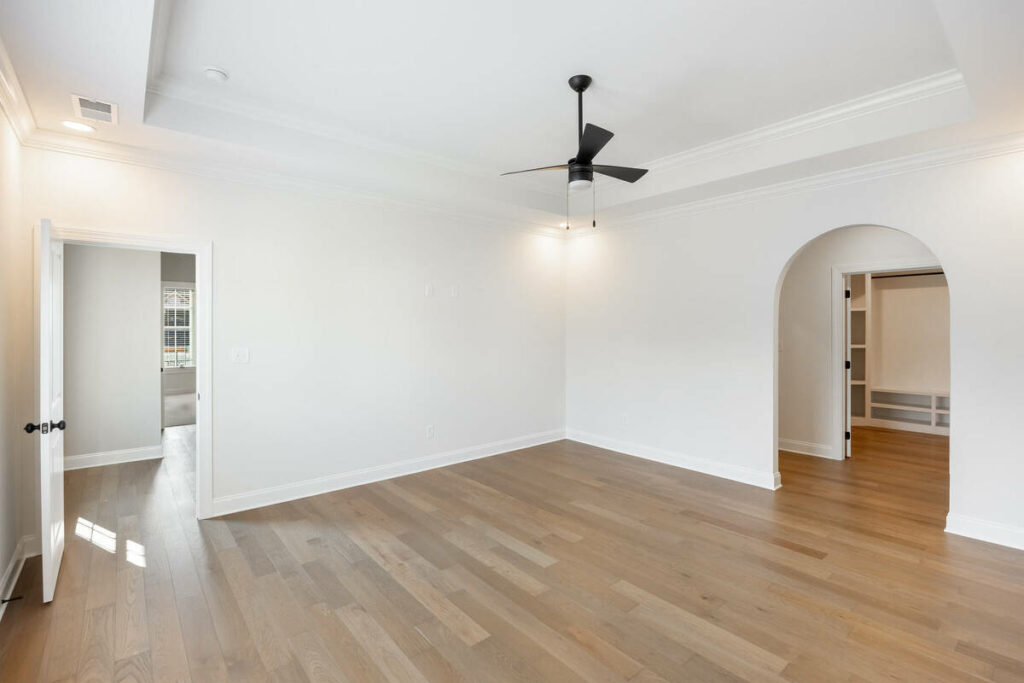
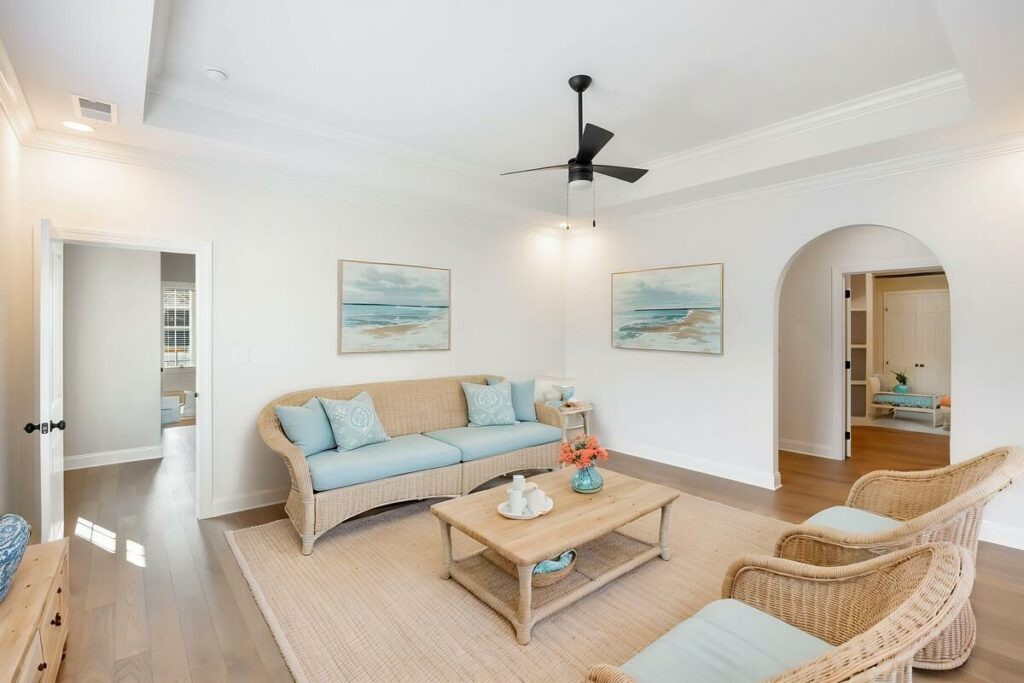
Bad virtual staging does the opposite. A sofa rendered 20% too large makes the living room look cramped. Warped floorboards or smudged edges around a window make buyers wonder what else in the photos was manipulated.
For photographers, the risk extends past a single listing. The agent who spots an AI artifact in a delivered image starts double-checking everything you send after that. The provider you choose determines whether virtual staging strengthens your work or quietly undermines it.
Now that the stakes are clear, let’s take a closer look at what to evaluate.
What Should You Look for in Virtual Home Staging Services?
Here are seven criteria to check before you commit to a provider:
1. Photorealistic Image Quality
Start with the before-and-after gallery. Look closely at the spots where AI staging typically fails: edges where furniture legs meet flooring, shadows under tables and beds, and reflections in windows or mirrors.
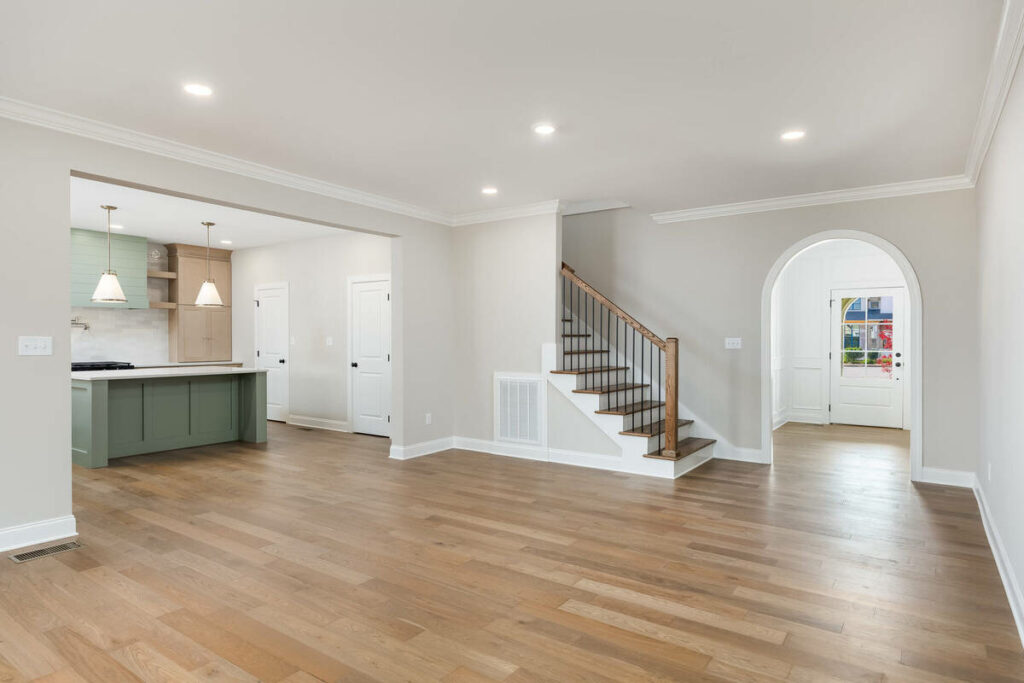
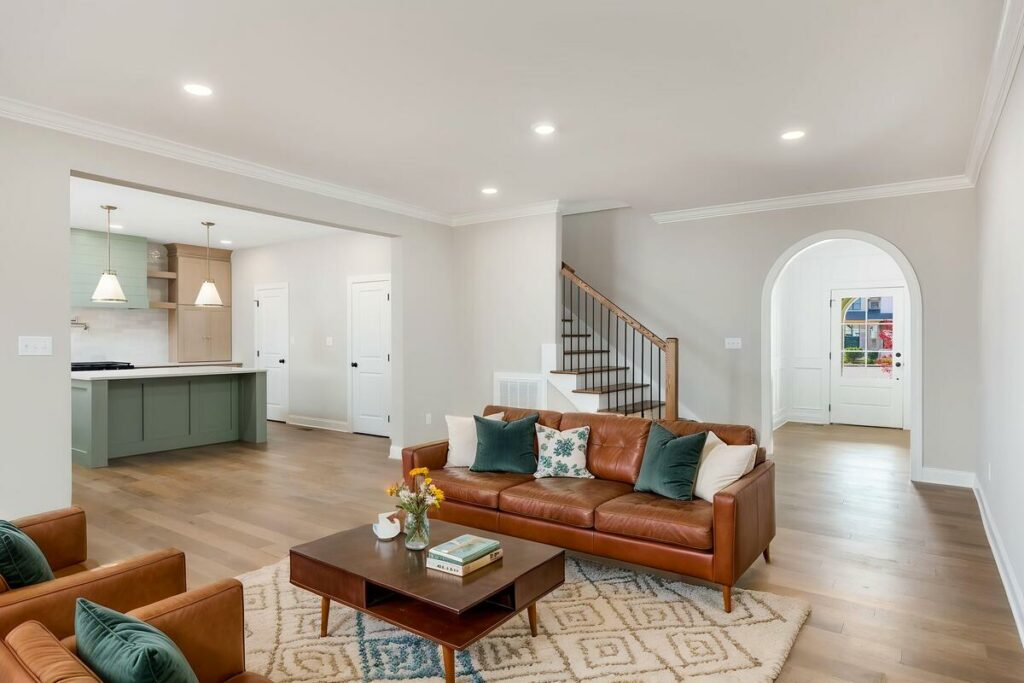
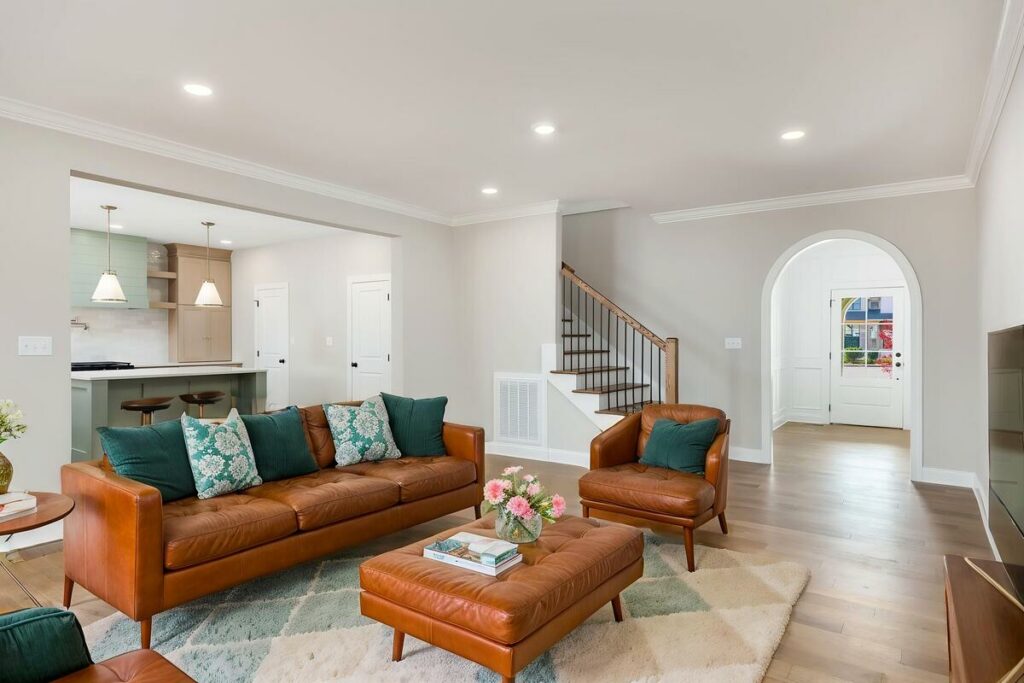
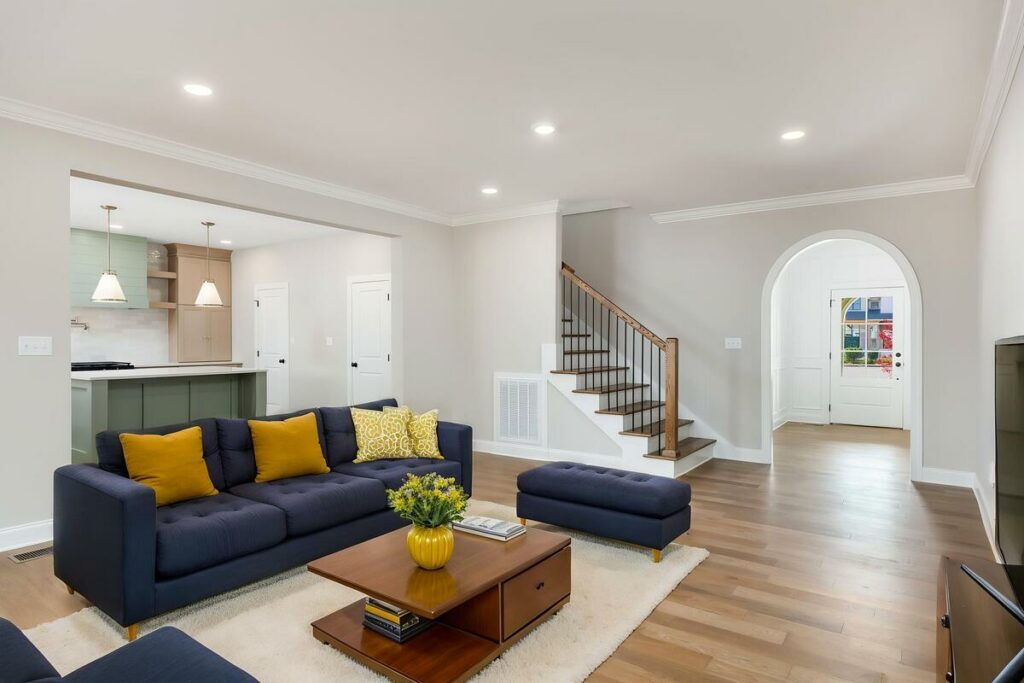
Furniture should sit at the correct scale for the room, and the lighting on every staged piece should match the direction and warmth of the room’s actual light. If a rug looks pasted on or a lamp casts no shadow, buyers will notice, even if they can’t say why.
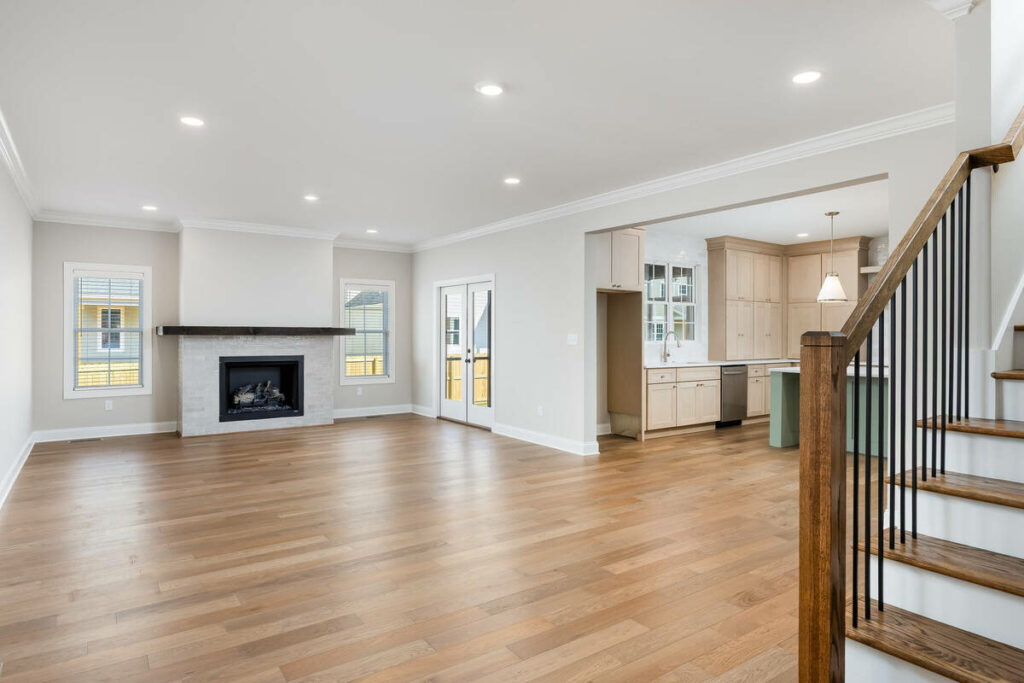
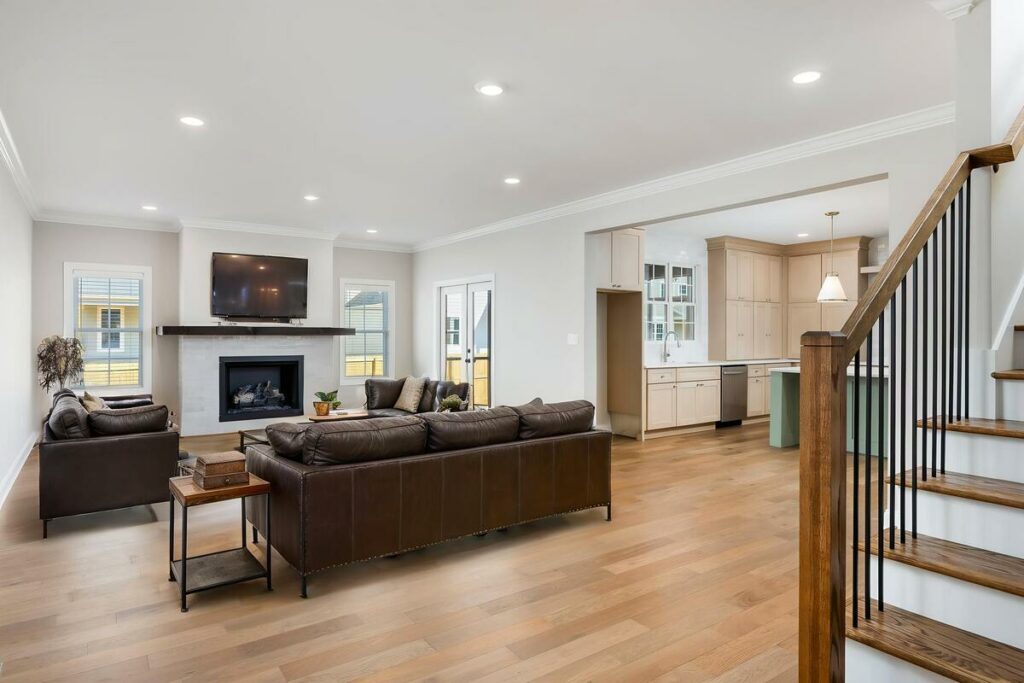
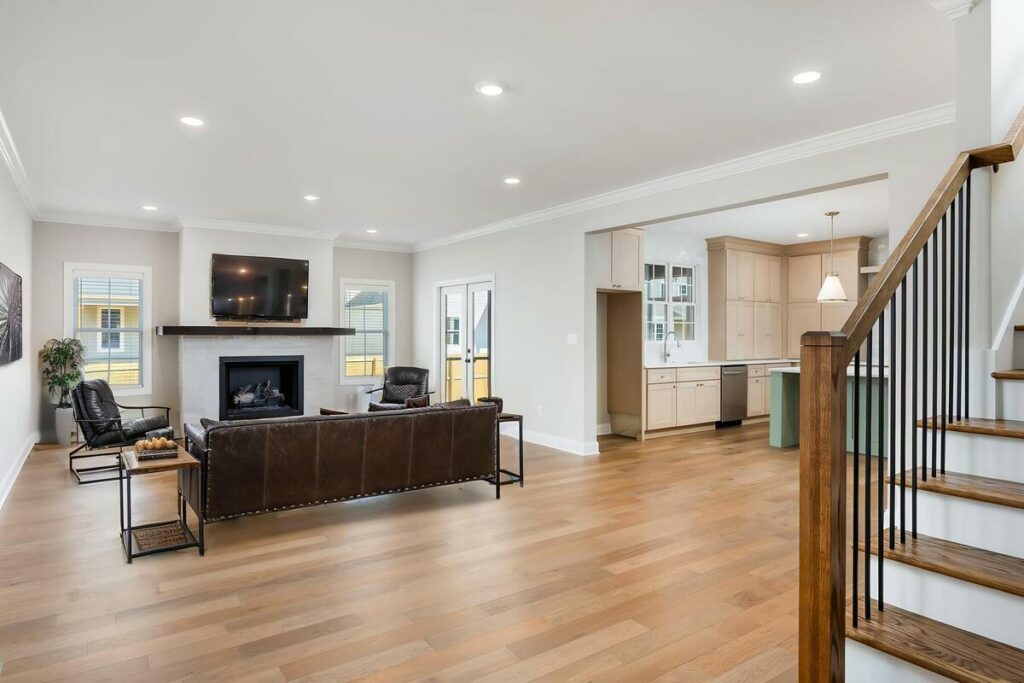
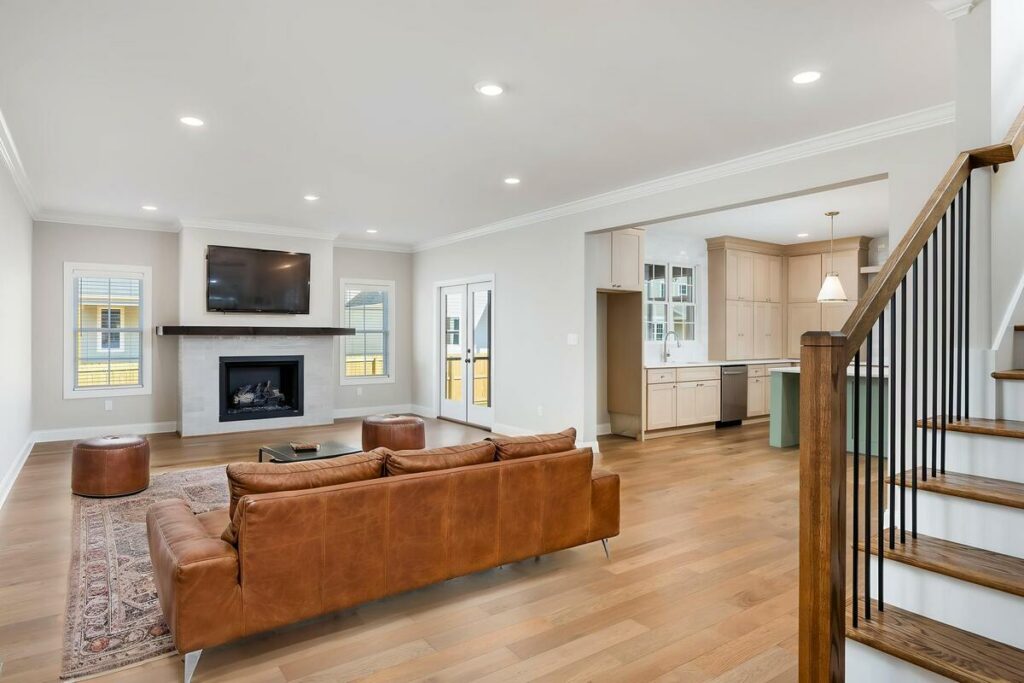
A provider that doesn’t publish real examples is giving you an answer too. Move on.
2. Turnaround Time
Listings run on schedules that don’t wait for vendors. A photographer shooting Friday for a Tuesday MLS deadline needs staged images back in 24 hours or less, and many AI-powered services now deliver in minutes.
Check revision turnaround too. A fast first version means little if fixes take three days. Ask how quickly a revised image comes back, because that’s the number that saves a deadline.
3. Furniture Style Range
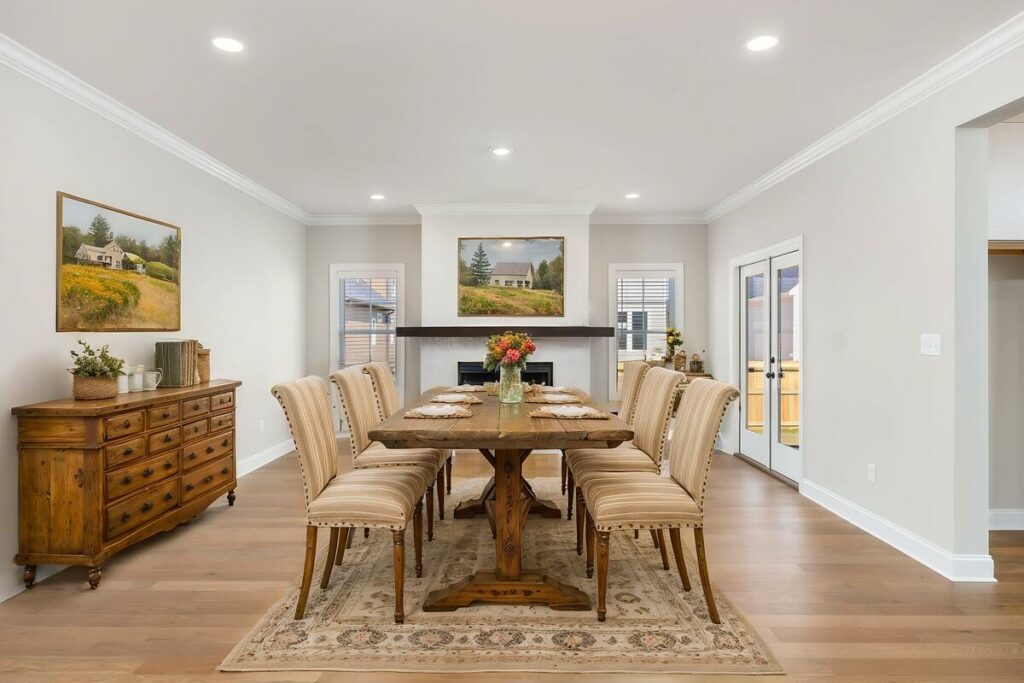
A starter condo and a $2M colonial shouldn’t get the same sofa. The service should cover the main room types (living, dining, bedroom, home office) and offer several design styles, from modern to farmhouse, so the staging matches the price point and the likely buyer.
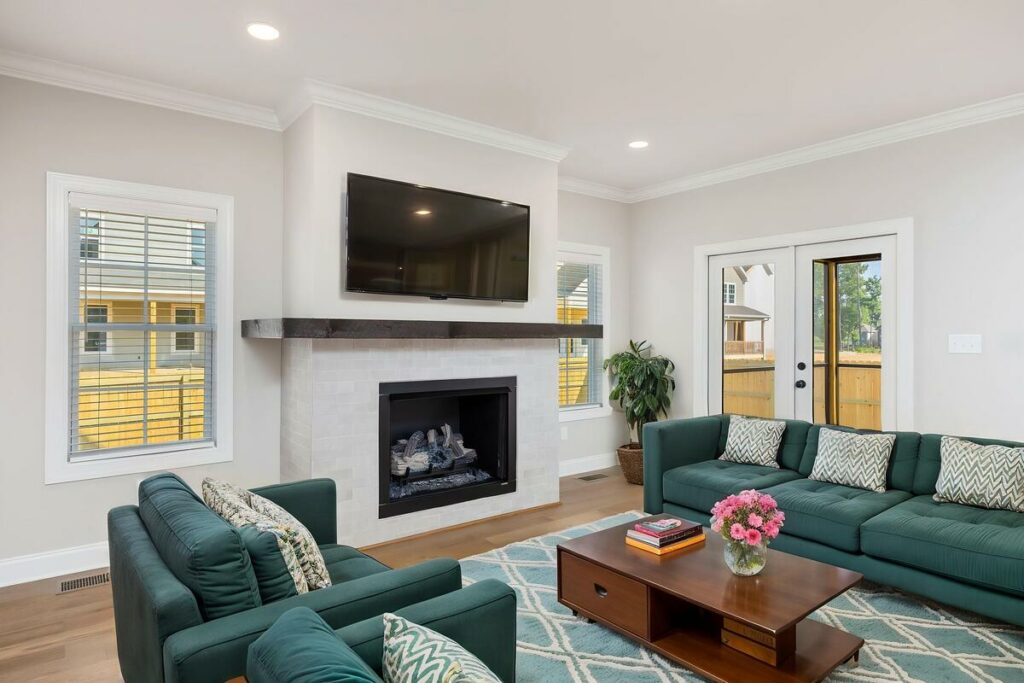

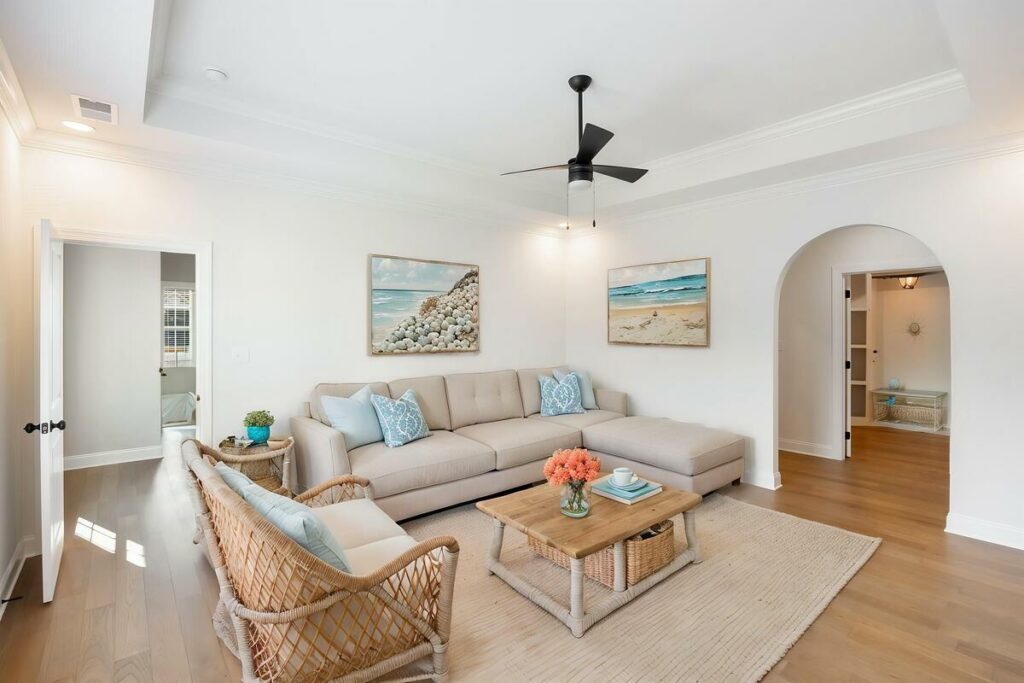
A browsable furniture library helps here. When your agent can preview styles before you order, you avoid the revision cycle entirely.
4. Decluttering and Object Removal
Not every listing starts empty. Occupied homes come with family photos, cluttered counters, and furniture that works against the sale.
Look for a provider that can remove existing items before staging the space. It turns a lived-in room into a market-ready one in a single order instead of two separate services.
Quick & Easy
AI Virtual Staging
Interiors. Landscapes. Commercial. Virtually transform any space.

5. Transparent Pricing
The best virtual home staging services publish clear per-image pricing without requiring a sales call. Credit-based or per-photo pricing keeps costs predictable, and free trial credits let you judge quality on your own listing before spending anything.
For context, virtually staging a photo typically costs a few dollars, against a few thousand for physical staging on the same property. The math works. It just works better when the pricing is posted where you can see it.
6. MLS Compliance Support
Virtually staged photos must be disclosed. Article 12 of the NAR Code of Ethics requires a true picture in advertising,2 and most MLS boards expect staged images to be labeled, often with the original photo included in the listing.

A good provider makes this easy with an optional “Virtually Staged” watermark and delivery of the untouched original alongside the staged version. If a service never mentions disclosure, that silence tells you how much real estate experience is behind it.
7. Workflow Fit and Support
Finally, consider how the service fits the way you already deliver photos. Check the upload and delivery process, integrations with tools you use, image storage, and whether support is a live person or a ticket queue.
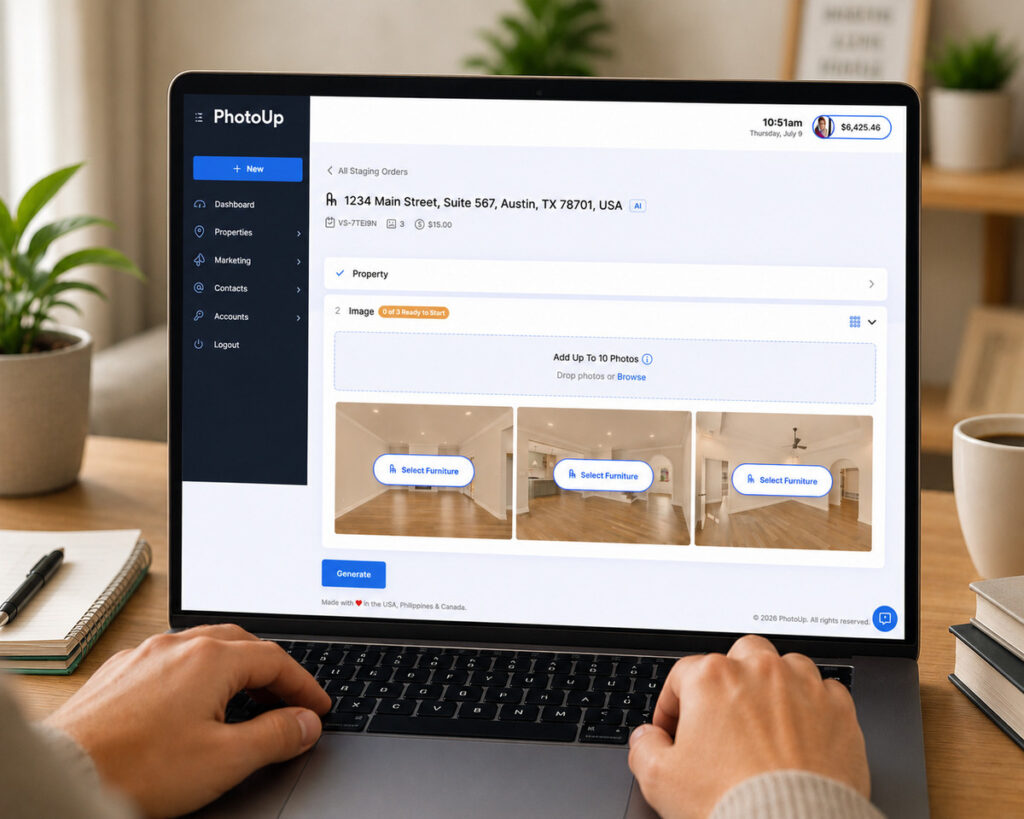
This matters most at 9 PM on a Sunday when a staged image needs a fix before a Monday listing goes live. A provider with live support and unlimited revisions earns its keep on exactly those nights.
Red Flags to Avoid in a Virtual Staging Provider
The criteria above tell you what to look for. These tell you when to walk away:
- No published before-and-after examples
- No stated revision policy, or revisions billed as new orders
- No watermarking or disclosure support for MLS compliance
- Pricing hidden behind a demo or sales call
None of these is fatal on its own, but two or more usually means the provider is built for volume, not for photographers whose reputation rides on every image.
How to Make the Final Call
In short, choosing the right virtual home staging services comes down to four things: image quality you’d put your name on, a review process that catches mistakes before your client does, turnaround that fits a listing schedule, and compliance support that keeps your agents out of trouble.
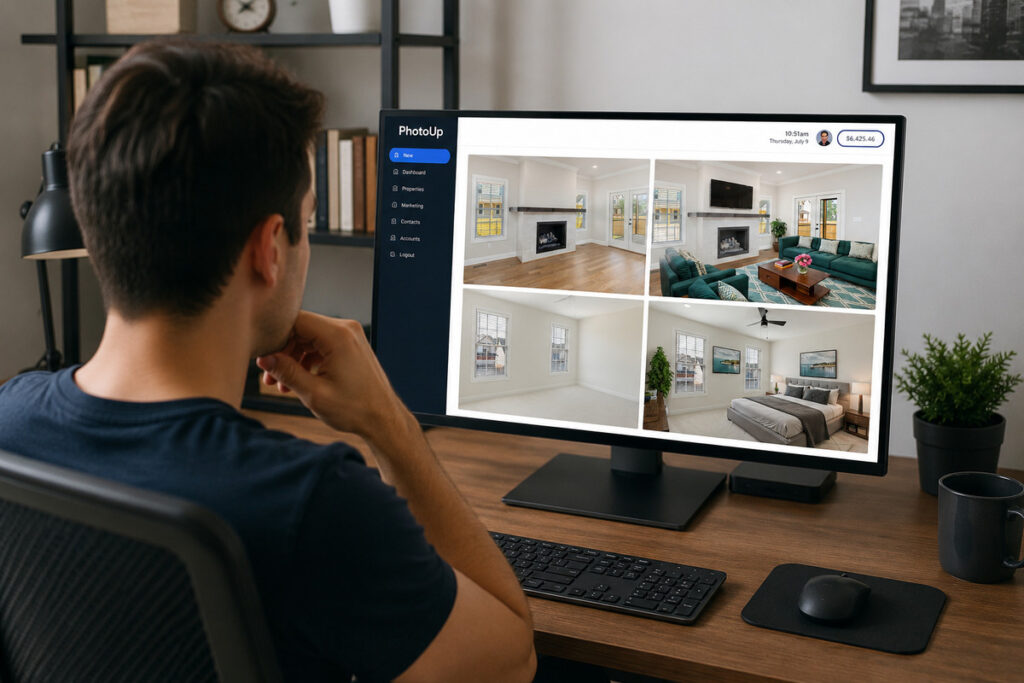
Any provider that clears all four deserves a test order. That’s the honest evaluation anyway: stage one listing, compare the results against your standards, and decide with your own photos on the screen.
Stage Your Listings With PhotoUp’s AI Virtual Staging
That’s where PhotoUp comes in. Since 2011, PhotoUp has helped real estate photographers and agents deliver polished, market-ready images, and our AI virtual staging is built to the same standard:
- Photorealistic staging for living rooms, dining rooms, and bedrooms
- Five popular furniture styles, from sleek modern to warm rustic
- Optional decluttering to remove existing furniture before staging
- Optional “Virtually Staged” watermark for MLS compliance
- Staging from 3 credits per image, with volume discounts on credit packs
Quick & Easy
AI Virtual Staging
Interiors. Landscapes. Commercial. Virtually transform any space.
Why choose PhotoUp? You get natural-looking results reviewed against professional editing standards, unlimited revisions, 24-hour standard delivery, and live support from a team that has edited real estate photos for over a decade. And staging is only the start: the same platform covers photo editing, single property websites, and virtual tours.
How to get started:
- Sign up for a free PhotoUp account and claim your 5 free credits
- Upload your vacant or occupied room photos
- Choose your room type and furniture style
- Add options like decluttering or a compliance watermark
- Download your staged, market-ready images
Try it on a real listing. Upload one vacant room with your free credits, and judge the results against every criterion in this guide.
Related Articles:
- AI Virtual Staging Mistakes That Can Hurt Your Listing
- How to Cut Staging Costs by 97% With AI Virtual Staging
- Sky Replacement, Virtual Staging, & More: What’s Included in Professional Real Estate Photo Editing?
- 11 Virtual Staging Styles to Enhance Your Listing
- Is AI Virtual Staging Becoming a Must-Have for Modern Listings?
References: