Table of Contents
- What Is AI Virtual Staging, Exactly?
- Why the Shift Toward Virtual Staging Is Real
- What AI Staging Handles Well
- Where AI Staging Still Needs Human Support
- AI-Powered Staging vs. Traditional Staging
- Is AI Virtual Staging a Must-Have for Modern Listings?
- Try AI Staging with PhotoUp
An empty room may showcase square footage, but it rarely inspires buyers. That’s why 83% of buyers’ agents say staging helps buyers visualize a property as their future home—yet traditional staging can be costly and impractical.1
That’s where AI virtual staging has changed the calculation. What once required a moving truck, a staging crew, and a multi-thousand-dollar monthly invoice can now be handled with a few uploaded photos and a 24-hour turnaround.
So is this approach becoming a must-have for modern listings — or is it still a nice-to-have tool for certain situations? Let’s take a closer look.
What Is AI Virtual Staging, Exactly?
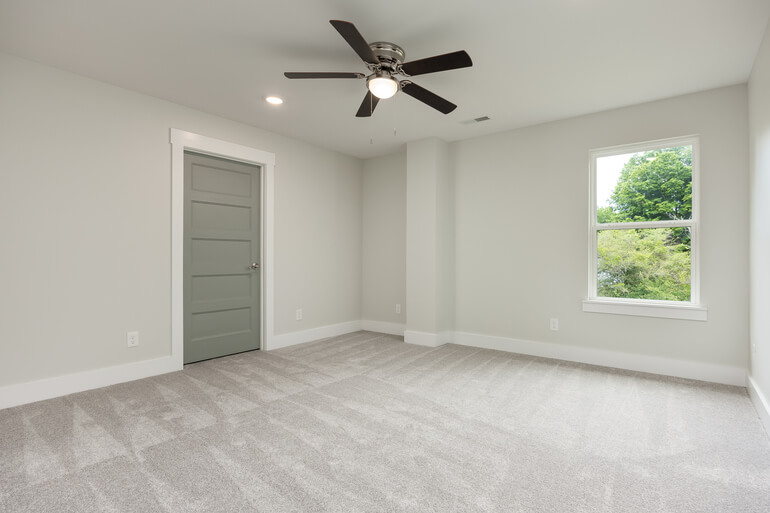
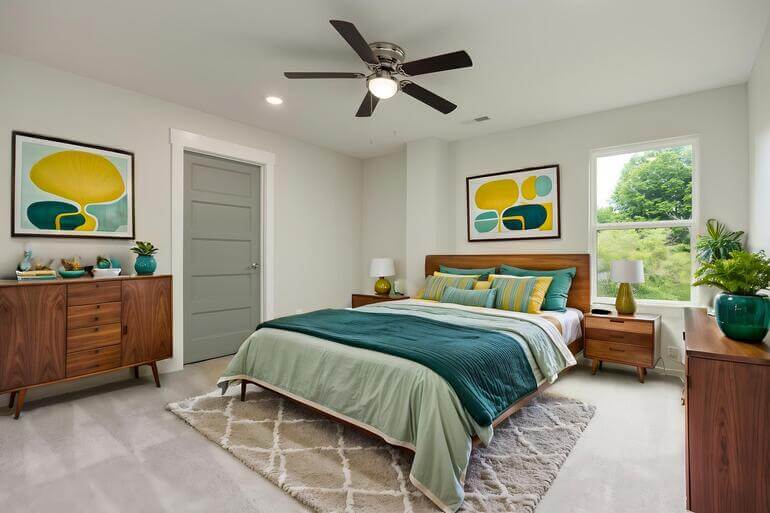
AI virtual staging uses machine learning to digitally furnish vacant or sparsely furnished rooms in listing photos. Upload a photo of an empty living room, select a design style, and the AI places furniture, rugs, lighting, and decor into the space — rendered realistically enough to publish in the MLS.
Unlike traditional virtual staging, which requires manual design work, AI staging automates much of the process. The result is faster turnaround and lower costs. At PhotoUp, AI staging starts at a fraction of the cost of manual staging, with delivery in under 24 hours.
The output is a polished, market-ready image the agent can use in online listings, social media, and marketing collateral.
Why the Shift Toward Virtual Staging Is Real
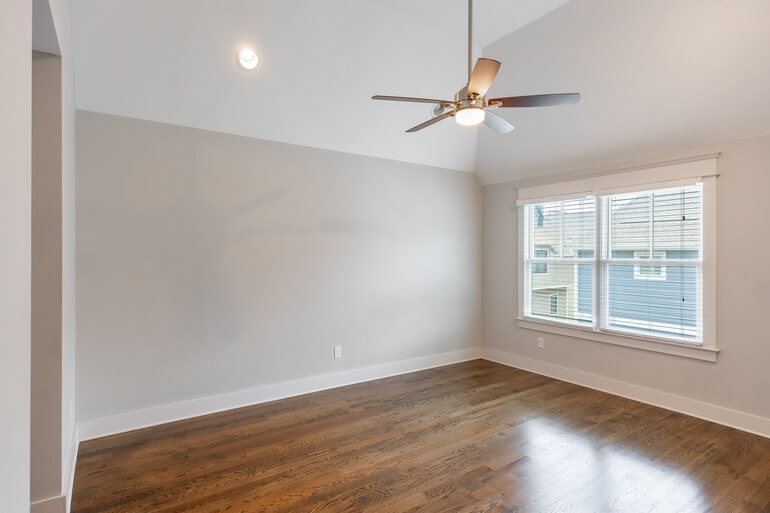
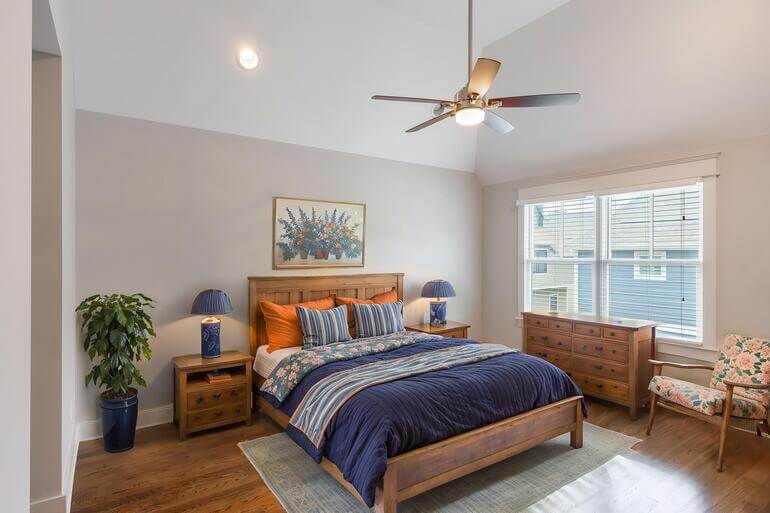
Vacant listings have a measurable disadvantage. Buyers and agents both know it, even if no one says it out loud on a showing.
Staging can make a measurable difference. Nearly 49% of sellers’ agents report shorter days on market for staged homes, while virtual staging can boost click-through rates by 90% and increase time spent on listing pages by 70%.2
The cost gap is just as striking. Traditional staging for a vacant home averages $4,500 per month in ongoing fees.3 AI virtual staging runs $15–$50 per image for professional-grade results. For a photographer or agent working with a vacant three-bedroom, that’s the difference between a major line item and a rounding error.
The global virtual staging market reflects this shift — projected to grow from $1.2 billion in 2025 to $3.5 billion by 2032, at a 12.5% annual growth rate.4 Adoption isn’t speculative anymore. It’s already happening at scale.
What AI Staging Handles Well
The technology has matured significantly over the past few years. For the right type of image, the results are consistently professional and publication-ready. Here’s where it performs well:
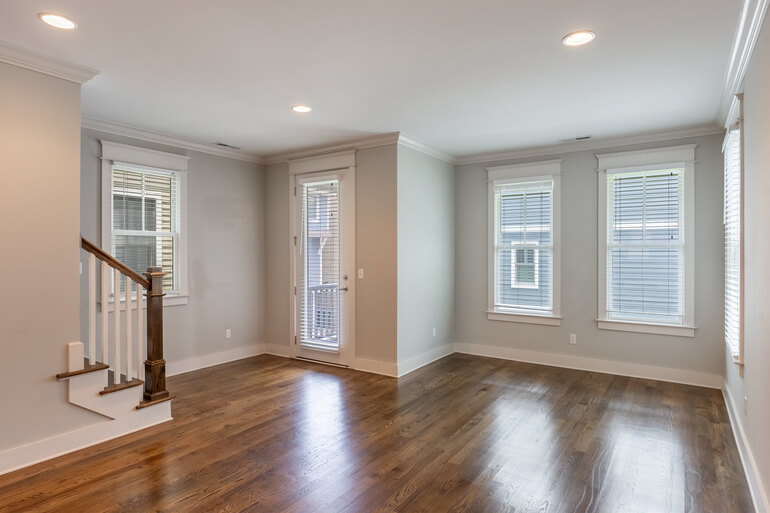
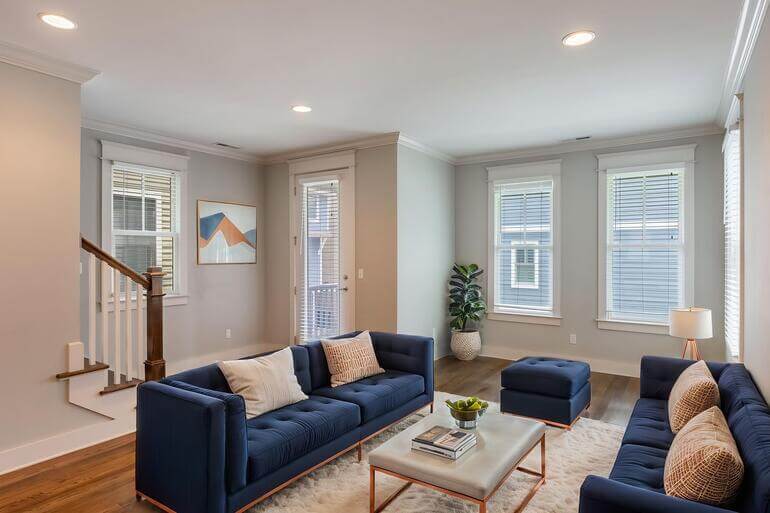
- Standard vacant interiors with clean lines — living rooms, dining areas, and bedrooms with neutral walls and good natural light
- Mid-range residential listings where design expectations are clear and consistent
- Batch turnaround on multi-room listings — AI can stage 8–10 rooms from a single shoot without significant cost increase
- Multiple design style options — modern, traditional, Scandinavian, transitional — let agents match the staging to the target buyer
- Fast iteration — need a different furniture layout or color palette? Adjustments come back quickly without reshooting
For photographers managing high-volume work, AI staging integrates cleanly into a delivery workflow. You’re not coordinating with a designer or waiting on revisions — results arrive ready for client review.
Quick & Easy
AI Virtual Staging
Interiors. Landscapes. Commercial. Virtually transform any space.

Where AI Staging Still Needs Human Support

AI staging is a strong tool for the right jobs. It’s not equally strong across all of them. These are the scenarios where human expertise still makes the difference:
- Luxury listings where subtlety and restraint are expected. High-end buyers and their agents are quick to notice furniture that looks slightly off-scale, staging that feels generic, or design choices that don’t match the property’s character.
- Unusual room shapes or challenging angles — curved walls, multi-level spaces, or rooms with strong architectural features the AI doesn’t always handle accurately
- Complex perspective shots where furniture placement needs precise depth calibration
- When a client has a specific, defined aesthetic that doesn’t map to standard style presets
- Outdoor spaces and specialty rooms — patios, sunrooms, and home offices often require more design judgment than standard outputs provide
The practical framing: AI handles the 80% — the standard vacant rooms that need clean, consistent, market-ready staging. A human review step catches the 20% where a specific listing or client expectation requires more judgment. That combination is where the workflow delivers the best results.
AI-Powered Staging vs. Traditional Staging
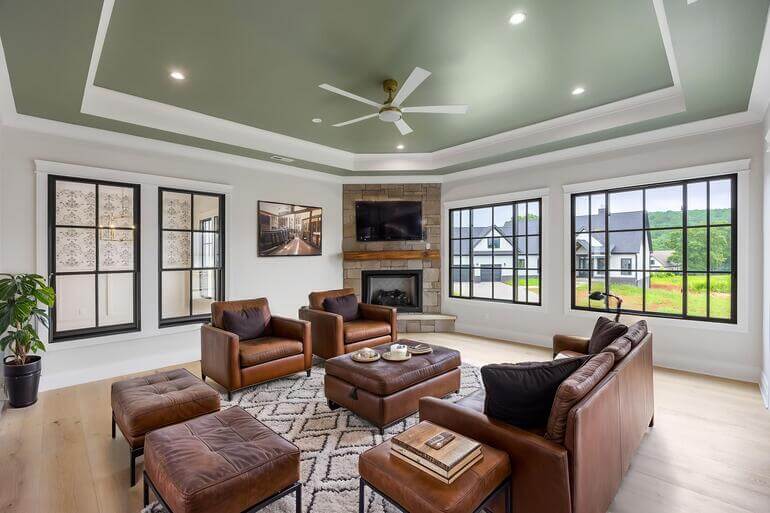
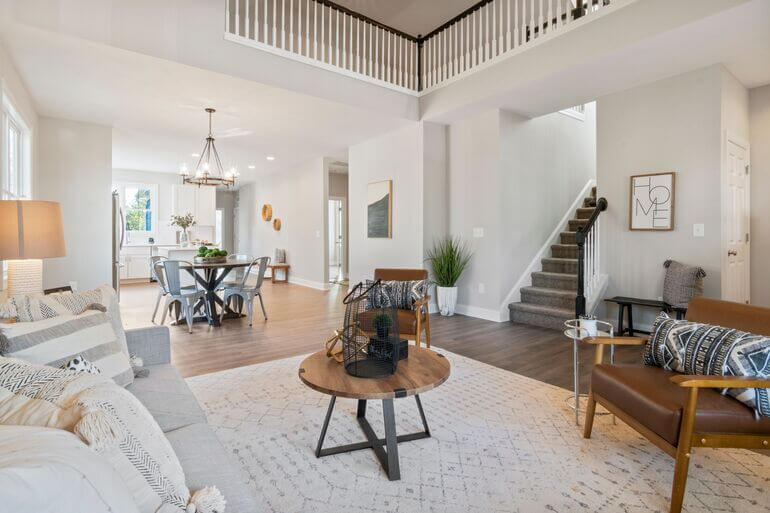
Let’s be clear about what each option actually offers, because the comparison is more nuanced than “cheap vs. expensive.”
Traditional staging puts real furniture in a real space. Buyers walking through an open house experience scale, warmth, and proportion in a way that photos don’t fully replicate. For high-end properties or markets where in-person showings are the primary buying driver, that physical presence still has value.
Digital staging solves a different problem: online first impressions. 83% of homebuyers rate photos as the most valuable feature on a listing website — ahead of written descriptions, virtual tours, and floor plans.5 If the goal is getting buyers to click, schedule a showing, and visualize the space before they walk in the door, AI-powered staging delivers that at a cost that makes sense for nearly any listing budget.
The table below captures the practical differences:
| Factor | Traditional Staging | AI Staging |
| Cost | $2,000–$8,000+ per month | $15–$50 per image |
| Turnaround | 7–14 days | Under 24 hours |
| In-person impact | Yes | No |
| Online listing impact | Strong | Strong |
| Scalability | Limited by logistics | Unlimited |
| Revision flexibility | Difficult | Quick |
For most residential listings — especially vacant homes in the mid-market — AI staging covers what matters most: getting buyers engaged online and through the door.
Is AI Virtual Staging a Must-Have for Modern Listings?
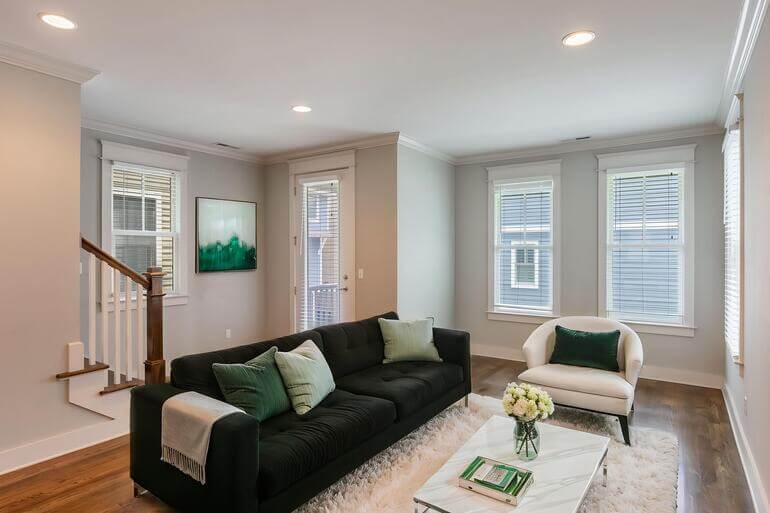
For many vacant listings, the answer is increasingly yes. It is affordable, fast, and easy to incorporate into a standard listing workflow, helping buyers better visualize a property’s potential.
It can also help photographers add value to their services, particularly for agents marketing vacant homes where traditional staging isn’t practical.
Quick & Easy
AI Virtual Staging
Interiors. Landscapes. Commercial. Virtually transform any space.
One important consideration is compliance. As regulations around AI-generated listing images continue to evolve, agents and photographers should ensure proper disclosure requirements are followed in their market.
The real question isn’t whether AI digital staging works—it’s how to use it effectively within your listing strategy.
Try AI Staging with PhotoUp
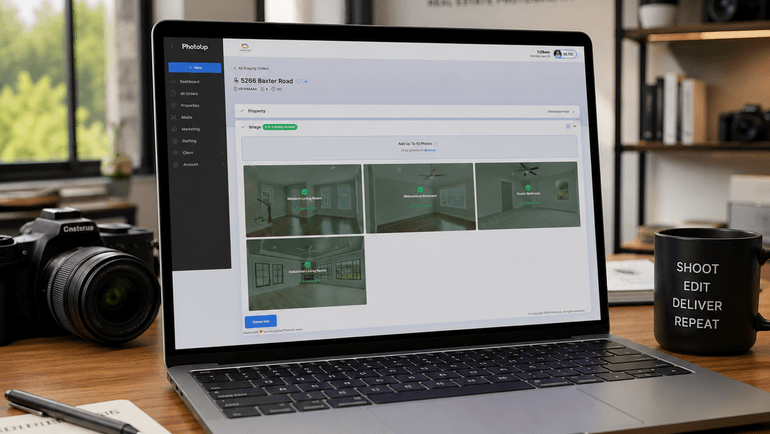
PhotoUp offers professional AI staging — with human quality review built into every order. Here’s what you get:
- AI staging starting at just a few dollars per image
- Multiple design styles — modern, transitional, traditional, Scandinavian, and more
- Fast turnaround — most orders back within 24 hours
- Human review on every staged image before delivery
- Bundled with real estate photo editing — stage and edit in a single order
Why Choose PhotoUp?
PhotoUp is built for photographers who need consistent, high-volume editing. Every AI-staged image goes through a human review process, ensuring the final result is polished, accurate, and ready for client delivery.
How to Get Started
- Create a free account
- Upload your vacant room photos — JPG or RAW files both work
- Select your design style and any room-specific preferences
- Receive your staged images within 24 hours
- Review and download — or request any revisions before delivery
Try a test order and see how AI staging fits into your workflow before committing to anything.
Related Articles:
- How AI Real Estate Photo Editing Reshapes Photographers Workflows
- How to Virtually Stage a Home to Boost Sales Price (in 8 Simple Steps)
- 5 Signs It’s Time to Outsource Your Real Estate Photo Editing
- Day-to-Dusk Conversions: The Magic of Twilight Photo Editing
References: